Persistent heel pain can make even the shortest walk feel like a chore. For those living with plantar fasciitis, that sharp, stabbing sensation in the bottom of the foot is a constant reminder that something isn’t quite right. While rest, stretching, and orthotics are common go-tos, many people don’t realize there’s a fast-acting, hands-on solution that targets the root of the pain: dry needling.
This specialized technique isn’t acupuncture. It’s a physical therapy technique designed to treat painful spots or muscle tightness, often called trigger points or muscle knots. For plantar fasciitis, it can mean the difference between limping through the day and finally moving with ease. At Rock Valley Physical Therapy, our expert clinicians use dry needling to help patients walk, run, and stand pain-free again, without relying on medication or surgery.
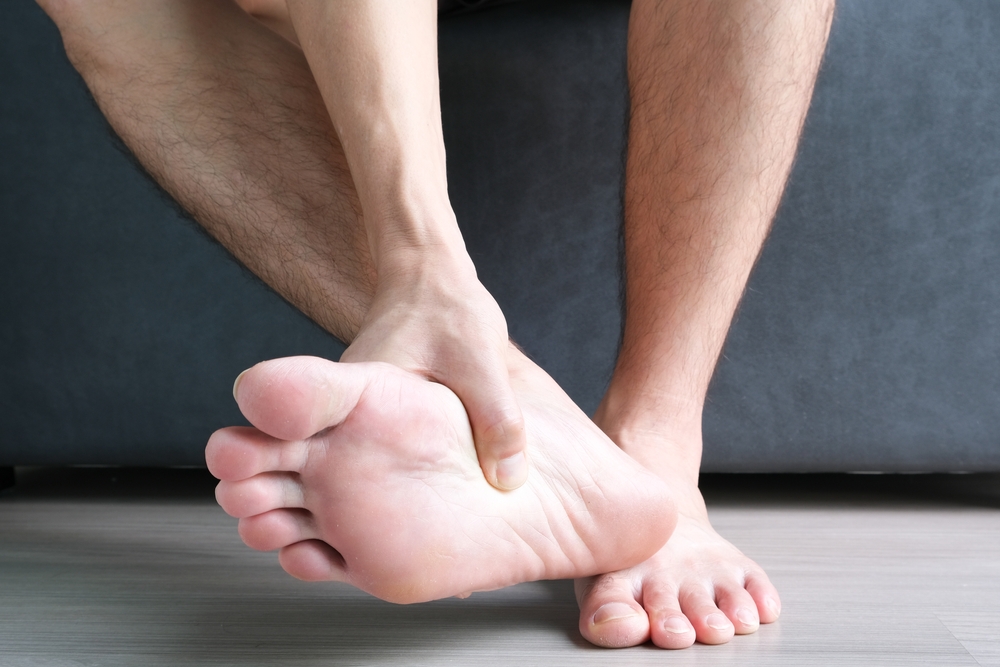
Plantar Fasciitis Causes and Symptoms
Plantar fasciitis is one of the most common causes of heel pain, especially among runners, people who spend long hours on their feet, and those with tight calf muscles or flat feet. The pain comes from irritation and inflammation of the plantar fascia, a thick band of connective tissue that supports the arch of your foot and absorbs shock when you walk. Overuse, poor footwear, or biomechanical imbalances can strain this tissue over time, leading to small tears and chronic discomfort.
What starts as a dull ache can quickly turn into sharp, stabbing pain, especially first thing in the morning or after long periods of rest. The pain often eases once you start moving, but tends to return after prolonged standing or activity.
Common symptoms of plantar fasciitis include:
Stiffness in the foot, especially after rest
Mild swelling or warmth in the heel area
Tenderness along the bottom arch or heel
Sharp heel pain when taking the first steps in the morning
Pain that increases after long periods of standing or walking
What Is Dry Needling and How Does It Work?
Dry needling is a modern, science-backed method used to release muscle tension, improve circulation, and reset the way your body responds to pain. While it uses the same type of thin, sterile needles as acupuncture, dry needling is grounded in Western medicine and focuses on releasing those tight, knotted areas in muscle that can refer pain to other parts of the body.
The technique dates back to the 1940s, when physicians began exploring how inserting fine needles into specific muscle areas could reduce pain and restore movement. Over the decades, research and practice have refined the method, making it a safe and effective tool used widely in physical therapy today. Despite the name, dry needling doesn’t inject anything; the “dry” simply means there’s no medication involved.
For plantar fasciitis, dry needling can help by relaxing tight muscles in the foot and lower leg, improving blood flow, and decreasing inflammation. Most patients describe the sensation as a mild ache or twitch rather than pain. It’s a surprisingly gentle process that often delivers quick relief and long-lasting results.
Key Benefits of Dry Needling for Foot Pain Relief
Dry needling offers a targeted approach to treating plantar fasciitis, focusing not just on symptom relief but on addressing the underlying muscular issues that contribute to heel pain. Unlike general massage or stretching, dry needling reaches deep into the muscle tissue to release tension and promote healing where it matters most.
One major benefit is how quickly many patients experience relief. By reducing muscle tightness in the calf and foot, dry needling helps ease the pull on the plantar fascia, which often reduces pain and improves mobility within just a few sessions. It also encourages better blood flow to the affected area, which speeds up tissue repair and reduces inflammation, two critical factors in resolving chronic plantar fasciitis.
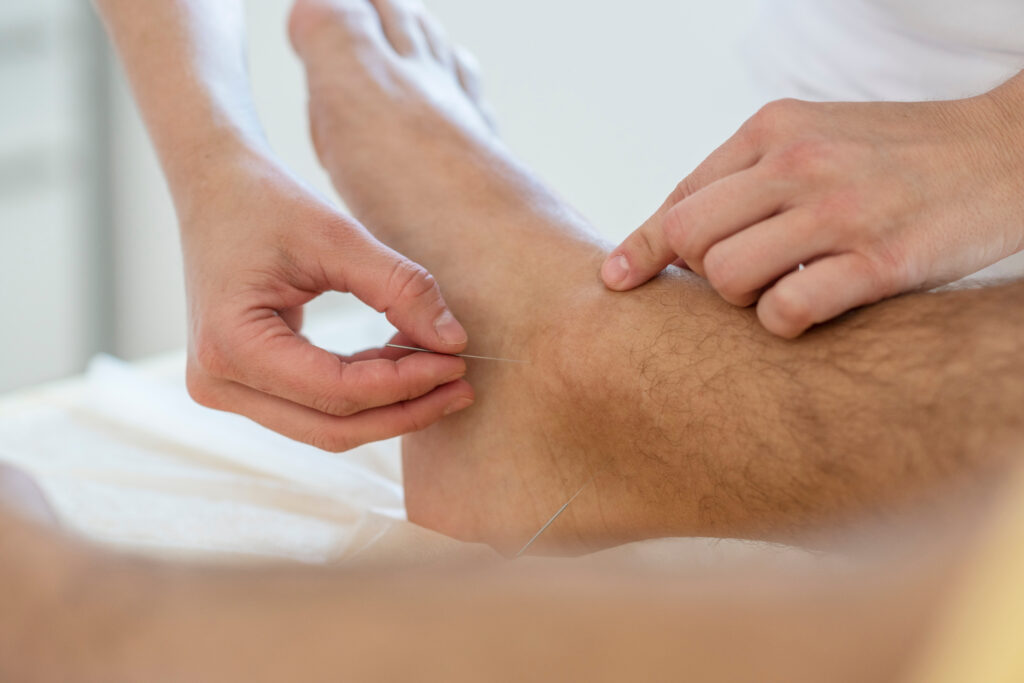
Additionally, dry needling can help retrain the nervous system to respond more appropriately to pain. That means fewer flare-ups and more confidence in your steps. When paired with physical therapy exercises and movement retraining, it becomes part of a powerful plan to not just manage symptoms, but restore function and prevent future issues.
What to Expect During a Dry Needling Session
If you’ve never experienced dry needling, it’s normal to feel a little unsure at first, but the process is straightforward, gentle, and typically much easier than people expect. At Rock Valley Physical Therapy, our trained clinicians walk you through every step to make sure you’re comfortable and informed from start to finish.
A typical session begins with an assessment of your foot, ankle, and lower leg to identify the specific muscles contributing to your plantar fasciitis pain. Once the trigger points are located, your therapist gently inserts a fine, sterile needle into the tight muscle to reduce tightness and pain.
During this time, you might feel a small twitch or deep ache–that’s the muscle responding and releasing tension. Most patients describe it as odd but not painful.
The needling itself only lasts a few minutes, and any post-treatment soreness is usually mild and short-lived, similar to what you might feel after a workout. Afterward, your therapist may guide you through gentle stretches or strengthening exercises to enhance the effects and support long-term healing.
Is Dry Needling the Right Treatment for You?
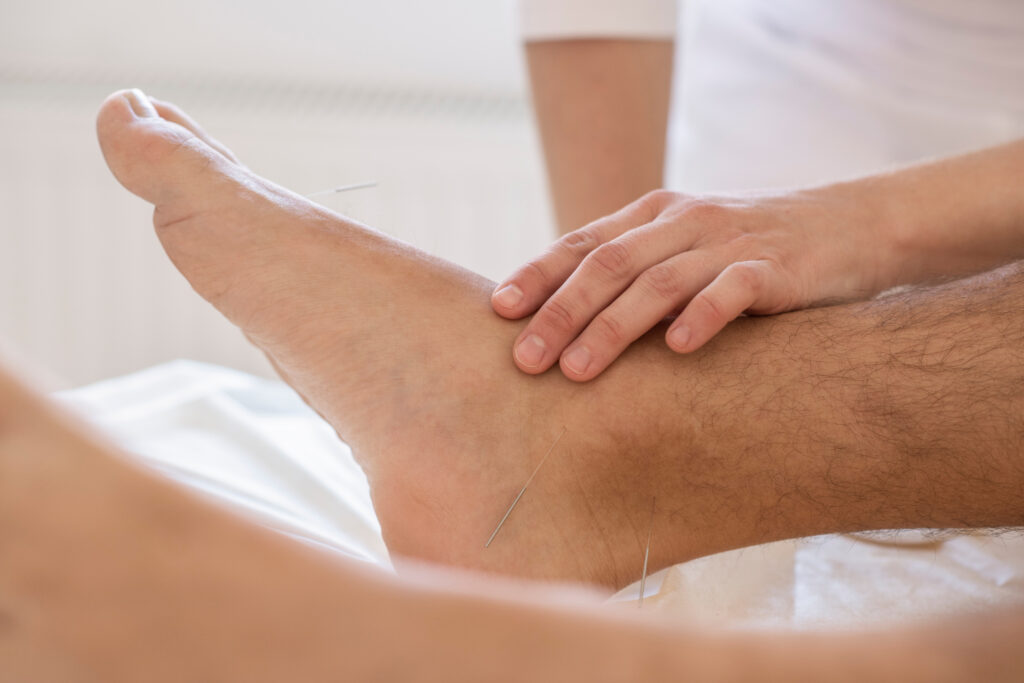
If you’ve tried other methods to relieve plantar fasciitis pain, like orthotics, rest, or ice, and still find yourself wincing with every step, it might be time to take a different approach. Dry needling is especially effective for those whose foot pain stems from muscle tightness or biomechanical imbalances. If your calves are always tight, your arch feels strained, or you’ve been told you have flat feet, dry needling could offer the precise relief you’ve been searching for.
What sets this treatment apart is how directly it addresses the cause of the pain, not just the symptoms. It works best as part of a personalized plan that includes movement training, stretching, and strengthening, all of which are core parts of care at Rock Valley Physical Therapy.
If heel pain is holding you back, let’s change that. Schedule an appointment at Rock Valley Physical Therapy today. Relief is closer than you think.