

Mar 12, 2024

Tips For What Not To Do With Plantar Fasciitis

woman sitting on stairs outside holding her heels with red high-heel shoes next to her, she is suffering from plantar fasciitis

Plantar fasciitis can be debilitating, affecting your quality of life and hindering your ability to engage in activities you love. Managing plantar fasciitis through careful and informed choices, without causing discomfort and limiting daily activities, requires a strategic approach to ensure a path to recovery rather than inadvertently making matters worse. In this blog, we’ll delve into valuable insights and tips, steering you away from common pitfalls and shedding light on what not to do when faced with plantar fasciitis.

What Is Plantar Fasciitis?

Plantar fasciitis is a common condition characterized by the inflammation of the plantar fascia, a thick band of tissue that runs along the bottom of your foot, connecting your heel bone to your toes. This ligament supports the arch of your foot and absorbs the impact of your body weight during activities like walking, running, or standing.

Many people struggle with pain that feels like a stabbing jolt of pain, especially first thing in the morning when you are just stepping foot out of bed or standing up after sitting for long periods of time. As you continue to move throughout the day, the pain may subside but can return or get worse with continued activity.

Causes of Plantar Fasciitis

This condition can develop quickly or over time. Some of the most common causes of plantar fasciitis include:

  • Age: Those between the ages of 40 and 60 are more likely to develop plantar fasciitis due to the aging of these tissues.
  • Types of activities: If you engage in any type of activity that puts strain on these tissues, the risk of injury is higher. This includes those who do aerobics, run, or do ballet.
  • Work: If you spend long periods of time standing, especially in improper footwear, you are likely putting too much pressure on these tissues. This can cause significant pain. Teachers, factory workers, and restaurant workers are examples.
  • Obesity: Those who are overweight are more likely to have plantar fasciitis because of the amount of pressure placed on the feet.
  • Functions of the foot: For some, the mechanics of the foot – the way your foot moves and functions – can cause this. Those who have a high arch or flat feet are likely to suffer from this condition. Those with hyperpronation may also be at a higher risk.

What Makes Plantar Fasciitis Worse?

Understanding the factors that can exacerbate plantar fasciitis is crucial for effective management and recovery. Here are key considerations that may contribute to worsening the condition:

Don’t Delay Treatment

Putting off treatment, including physical therapy, dry needling, or other treatment options, can increase the severity of plantar fasciitis symptoms. The sooner you seek care, the sooner the pain can improve.

Wearing the Wrong Shoes

Poor-quality shoes without arch support are often a culprit for worsening plantar fasciitis. This band of tissues needs support in the arch in particular. It’s important to highlight that wearing improperly sized shoes or shoes that force you to walk predominantly on the front part of your foot—whether they are flat shoes or high heels—can exacerbate this pain.

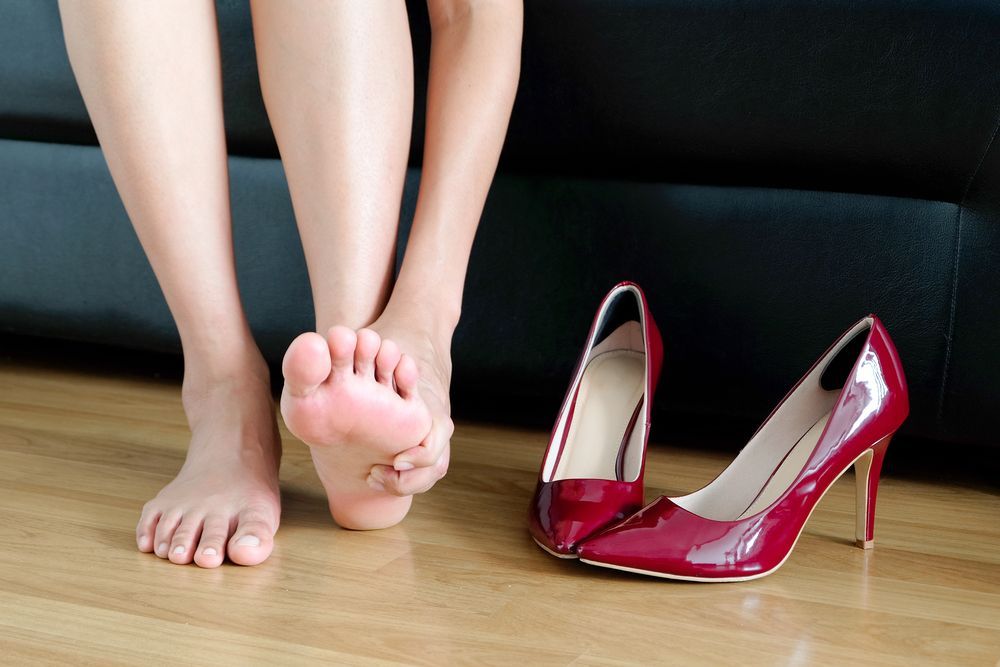
the same woman at home holding the heels of her foot with red high heels sitting next to her, the high heels make her plantar fasciitis worse

High Impact Exercises

High-impact exercises, such as running on hard surfaces, can worsen plantar fasciitis by subjecting the inflamed tissues to excessive stress and strain. The repeated impact and pressure on the heel during activities like running may intensify inflammation and contribute to prolonged discomfort.

You may not want to give up on your high-impact exercises, such as those involving running or jumping. To combat this, give your body time to heal and recover, allowing your body to adapt to the stress and reduce inflammation. 

Skipping Stretches

Skipping stretches before and after exercise can worsen plantar fasciitis. Because our muscles tense up during exercise, stretching helps maintain the elasticity of the plantar fascia, preventing it from becoming overly tight and prone to inflammation. Neglecting stretches can lead to increased stiffness, heightened discomfort, and a slower recovery process for individuals dealing with plantar fasciitis.

How to Treat Plantar Fasciitis

Treating plantar fasciitis requires both targeted interventions and lifestyle adjustments. There are some fantastic ways to reduce pain and improve the overall function of the foot. You may benefit from Astym treatment, a method that helps to use the body’s natural healing mechanisms to stimulate healing.

Stretching

Stretching the plantar fascia before and after a workout or during long-standing periods may help you to see significant improvement. Some useful stretches include: 

  • Towel stretching: Place a towel around the base of your foot, holding one side in each hand while sitting on the floor. Pull back on the towel, stretching the muscle at the bottom of your foot as you do.
  • Stair stretch: For this exercise, stand at the base of the steps and place your foot on the stair above, creating a 90-degree angle. Bend forward to stretch the muscle at the base of your foot.
  • Wall stretches: Sit with your foot flat against a wall. Flex the muscle, hold it, and then release it.

Exercises

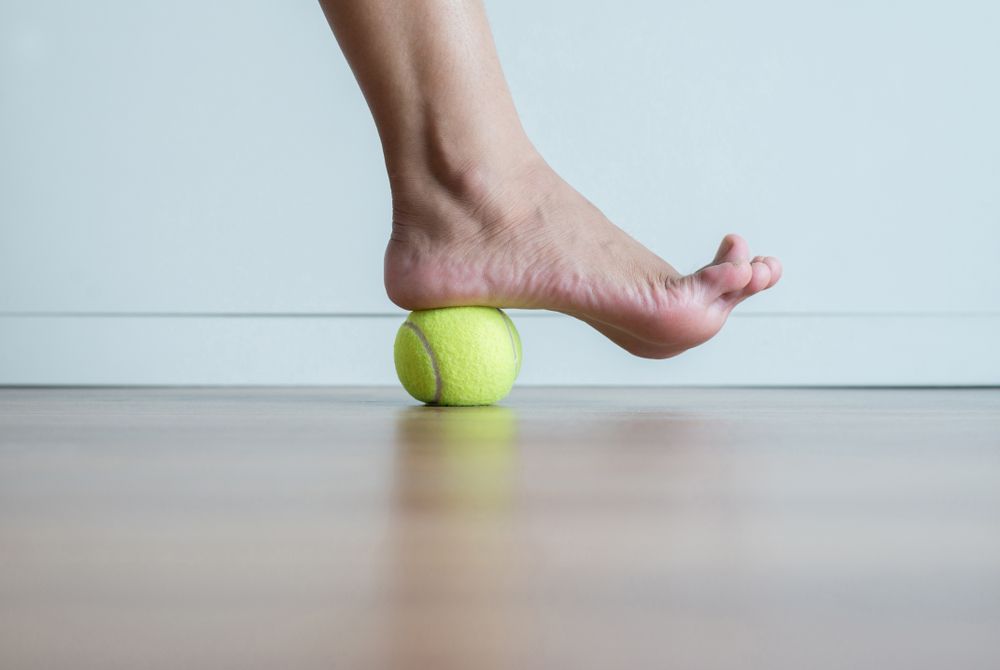
the woman uses a tennis ball to roll the bottom of her foot to ease the pain from her plantar fasciitis

Simple exercises can help increase your mobility and reduce stiffness. For an easy start try: 

  • Toe curls: Toe curls, in which you curl your toes and hold them for a period of time, can help to strengthen the muscles in this area. Try using your toes to pick things up, too, like marbles on the floor.
  • Tennis ball roll: Whether sitting or standing with support, roll a tennis ball under your foot, specifically along the arch. When you tighten the muscle and then release it, you’ll feel pressure improving.

Beyond at-home, do-it-yourself remedies, consider exploring physical therapy. For some individuals, incorporating practices such as dry needling and acupuncture in conjunction with physical therapy can be extremely beneficial. 

How Long Does It Take for Plantar Fasciitis to Heal?

It takes time and consistency to see significant improvement in this pain because you need to work to reduce inflammation while also improving the muscles. While many see their conditions improve within 3-6 months, it can take upwards of a year to feel complete relief. The speed of recovery ultimately depends on the type of exercises you receive and the quality of care you give to your feet.

Get in Touch with a Therapist

The most effective approach to enhance your physical therapy and alleviate pain is to leverage the expertise and guidance of a highly trained, dedicated therapist. At Rock Valley Physical Therapy, we are committed to providing you with personalized, one-on-one support tailored to your specific needs. Our experienced therapists will work closely with you to develop a comprehensive plan that focuses on reducing pain and improving your overall foot health. With our dedicated team by your side, you can confidently move forward on your journey to increased mobility and a more pain-free lifestyle.

Find your local clinic with us now. Book an appointment so you can start to feel less pain with each step and get back to your day-to-day life. Contact us now for an appointment.