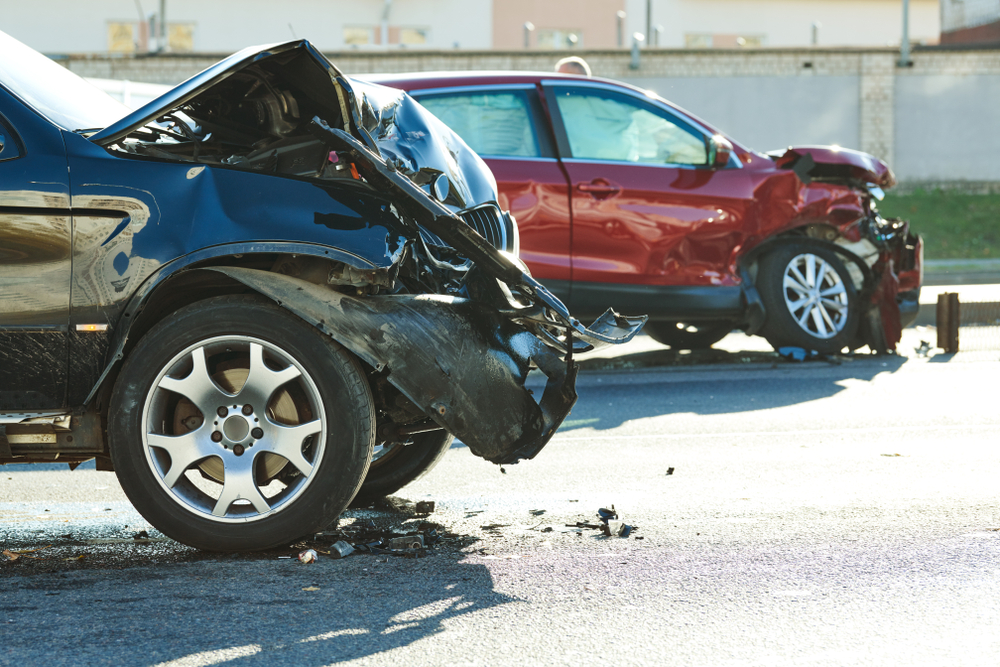
A car accident, even a minor one, can cause significant injury and pain. The jarring movements of the car, the impact of one vehicle striking another, and the intensity of the injuries after can lead to numerous complications throughout recovery. Seeking immediate medical care is always advisable. When it comes to physical therapy, car accident victims may find that this is one of the most effective ways to improve overall well-being, encourage full recovery, and reduce pain.
Common Injuries After a Car Accident
Numerous injuries can occur in a car accident based on where and how the vehicle struck an object. The speed and amount of impact force will play a role in injury development as well. While most cases are unique, the following are some of the most common injuries after a car accident.
Whiplash
Whiplash occurs when the tendons and ligaments in the neck and shoulders become intensely stretched. Imagine when a vehicle moving at a rapid speed strikes another vehicle from behind, and the victim’s head moves rapidly forward and rapidly, and sometimes intensely, backward. That back-and-forth motion stretches those tendons, leading to intense pain. This type of accident can also increase the risk of concussions due to the way the brain slams back and forth in the skull.
Symptoms
Symptoms of whiplash include:
- Numbness in the arms, upper back, or neck
- Pain that develops in the neck, upper back, arms, or face in the hours to days after an accident (you may feel fine right after the accident)
- Headaches and nausea
- Difficulty sleeping
- Feeling weak and tired
- Trouble concentrating
Head Injuries/Headaches
Head injuries and headaches can be common complications from car accidents. If you have a laceration or the skull is fractured, the pain will be significant and the injury obvious. Yet, as noted, concussions do not always cause that type of outward expression, and you may not know there is a problem until it worsens.
Symptoms
Symptoms of head injuries and headaches to monitor for include:
- Pain that radiates through your head
- Feeling exhausted or unable to focus
- Difficulty with speaking, making decisions, or expressing oneself
- Loss of consciousness
- Lingering headaches that do not improve in a few days
Chest Injuries & Pain
Your body could experience many types of injuries from this type of accident. Chest injuries could include lacerations, broken ribs, and internal injuries that are hard to see. You may develop pain from the impact of your body against the steering wheel or seatbelt.
Symptoms
Common chest injuries after a car accident include:
- Lacerations
- Pain and tenderness in the abdomen
- Pain in the area of the ribs
- Difficulty breathing or catching your breath
- Any unexplained discomfort in your chest
Back Injuries & Pain
Your back is also at risk for the same types of injuries due to the complications that come from the movement of the car and your body reacting to that force. Back injuries could include broken bones, lacerations, muscle damage, and internal organ damage.

Symptoms
Common symptoms of back injuries may include:
- Bruising that’s otherwise unexplained
- Tenderness and pain where you were struck or where your back hit against the seat
- Broken ribs can cause sharp, intense pain and difficulty breathing
- Trouble walking upright
- Searing pain when moving your arms or legs that radiates from the back
- Chronic pain onset
Shoulder Injuries & Pain
The force from a car accident can cause a number of shoulder injuries to occur, including muscle damage, lacerations, and intense pain. Some people may have shoulder injuries if the vehicle striking them made contact with their skin, but other times, it is the movement rapidly from one direction to the other that causes injuries.
Symptoms
- Lingering pain and soreness
- Inability to move the arms normally
- Searing pain that radiates from one area to the next
- Pain when extending the arm
- Limitations on activities, such as picking items up
Leg and Knee Injuries & Pain
Your legs and knees are at risk during an accident as well, especially if you are driving and they are trapped under the steering wheel. Other times, as a passenger, having your legs folded or on the dash can lead to added complications, including complex fractures, lacerations, and muscle, ligament, and tendon damage.
Symptoms
- Pain that does not improve
- Limited mobility
- Pain when applying pressure or stepping
- Inability to bend or move the knee
- Swelling of the knee
When Should You Go To PT for Car Accident Pain & Injuries
Going to physical therapy after a car accident is nearly always a good idea. It allows your body to re-learn how to move properly and enables those painful muscle movements or mobility limitations to improve and strengthen. Over time, you will likely see more mobility but also better pain control with physical therapy.
Common Signs You May Need PT
You may benefit from physical therapy after a car accident in various situations, especially if your doctor recommends it. Also, consider signs like these:
- Your injury has healed, but you still have limited range of motion.
- Pain has not improved.
- Your muscles feel weak.
- Your coordination or ability to focus remains impacted.
- You are limited in any aspect of your mobility.

Some Symptoms & Injuries Are Delayed
Not all of the injuries a person suffers in a car accident are as obvious as a broken bone. Many of these conditions can develop over the days following the accident. If pain and soreness develop, changes in mental clarity occur, or you start feeling sick, it is necessary to seek medical care and physical therapy.
How Long Does Physical Therapy Last After a Car Accident
Physical therapy is customized to meet your needs. That means it could last a few days to weeks, or it could extend longer, even a few months. This is very much dependent on the complications you suffer.
Why Choose Rock Valley Physical Therapy?
Rock Valley Physical Therapy offers highly qualified professionals dedicated to working closely with our clients. We can help you to manage the symptoms of concussions, injuries, and pain through physical therapy. Contact us now to request an appointment.