

10 Pediatric Physical Therapy Exercises & Activities

February 23, 2024

Share this Article:

Pediatric physical therapy exercises can be critical to improving mobility, reducing pain, and speeding the healing process after injury or surgery. Yet, physical therapy is boring, right? For many children, that’s the way it may seem. The key to success with pediatric physical therapy is to find ways to engage in healthy and helpful strategies that are also fun.


Not only is it important for pediatric physical therapists to engage in these types of activities, but parents can do so as well. Often, the best recovery for young patients happens over time, with consistency. Any level of practice you can do at home helps.


These are some of the best activities to encourage physical therapy in children while also working to keep them interested and even laughing during the process.

Animal Walk


What You Need: Tape

What this Works On: Balance, core muscles, limb and ab strengthening


How to Play:

This game is one that will work their brain as much as their physical abilities. Take a bit of masking tape and tape it to the floor on one side of the room. Then, about 10 to 20 feet away, place another piece of tape.


The child’s goal is to walk from one piece of tape to the other. The catch is they have to walk like the type of animal you call out. Make it fun by choosing a range of animals to pretend to be.


Stickers On Your Foot


What You Need: Balance ball, stickers

What this Works On: Core muscles and balance


How to Play:

In this activity, the child will put stickers on the bottom of their feet. They then sit on the ball, facing a wall, and must take the stickers off their feet just one piece at a time. After removing the sticker, they have to place it on a piece of paper that you’ve positioned on the wall. The hard part is balancing!


Tightrope Walk


What You Need: Tape

What this Works On: Balance, core, and leg muscles


How to Play:

Use the piece of tape to create a line from one side of the room to the other. The child pretends this is a tightrope and muscle balance on it to move across the room.


Simon Says


What You Need: Just another person

What this Works On: Any area of the body


How to Play:

This is a tried-and-true game in which the child mimics the actions of the other party. They can only do so when the leader says, “Simon says.” Try using a variety of activities to engage various muscles.


Stuffed Animal Elevator Rides


What You Need: Stuffed animals and an empty tote

What this Works On: Core strengthening


How to Play:

The goal for this activity is to move the stuffed animals in a pile on the floor into a plastic tote next to them. However, it’s done using only their feet. The child must maneuver one stuffed animal at a time on top of their foot, raise their foot, and then drop it into the container.


Floor Ice Skating


What You Need: Two paper plates

What this Works On: Core muscles, leg strength, and balance


How to Play:

This one is as easy as can be. With care to minimize falls, place two paper plates on the floor and have the child stand on the plates, one foot on each one. Then, have them slide from one area of the room to the next. This method works best where there’s no carpeting.


Adapted Yoga


What You Need: Nothing, though you can use blocks, chairs, and walls to help you.

What this Works On: The whole body


How to Play:

Adapted yoga is something that most people can do because it means performing various yoga poses in a manner that’s easier for them to do. You can develop your own strategies here, but use things like blocks, chairs, or even the wall for support.


Wheelbarrow Race


What You Need: Another person

What this Works On: Core and upper arm strength, shoulder strengthening


How to Play:

To play this game, someone else needs to stand behind your child while they lay on their belly (aim for a soft area of the floor for this one). The other person picks up the person’s legs, holding them at a slight angle off the ground.


The child then has to move throughout the household, using their arms to walk. Though challenging, see who can move through the home fastest.


Hungry Hippos


What You Need: Two peanut balls and 10 throwing bean bags

What this Works On: This therapy helps to build upper limb strength, weight-bearing in the upper limb, motor planning, and core strength.


How to Play:

Hungry Hippos is certainly a fun board game that any child gets into, but this version is a more real-life way of playing. In it, the goal is to “eat” the most bean bags.


To play the game, the child lays on their stomach over the top of a peanut ball that’s properly sized for them. Their hands should be able to reach the ground while they lay over the top of the ball. To get the physical fitness benefit, the shoulder needs to be over the elbow and wrist. It takes a bit of balance using their hips, but the goal is to position yourself on the ball and then use your hands to “walk” the ball in various directions. The goal is to pick up as many bean bags as possible.


Scooter Board / Board Races


What You Need: Two scooter boards

What this Works On: This exercise helps to work on upper limb strength along with lower ab strength. It can help strengthen the lower limbs as well as the back extensor muscles.


How to Play:

To play this game, you will engage in a race between two people, each with one scooter board. The trick to this game is that the players can only use their arms to move, and then, in a second round, they can only use their legs.


To play this game, the child lays on their stomach with their toes pointed downward. To move the scooter, the child has to use both of their arms at the same time. It’s a bit harder to do, but you can also tell the child they can only use one arm at a time. The front portion of the hips must remain flat on the scooter board with the head looking upwards. See who can make it around the track first.


At Rock Valley Physical Therapy, we know the importance of providing the most enjoyable pediatric physical therapy exercises for children. When you take the time to find your clinic and then request an appointment, you’ll be engaging in a way to support your child’s recovery that they won’t mind participating in.

Connect With Us:

More Tips, Insights & Recovery Advice

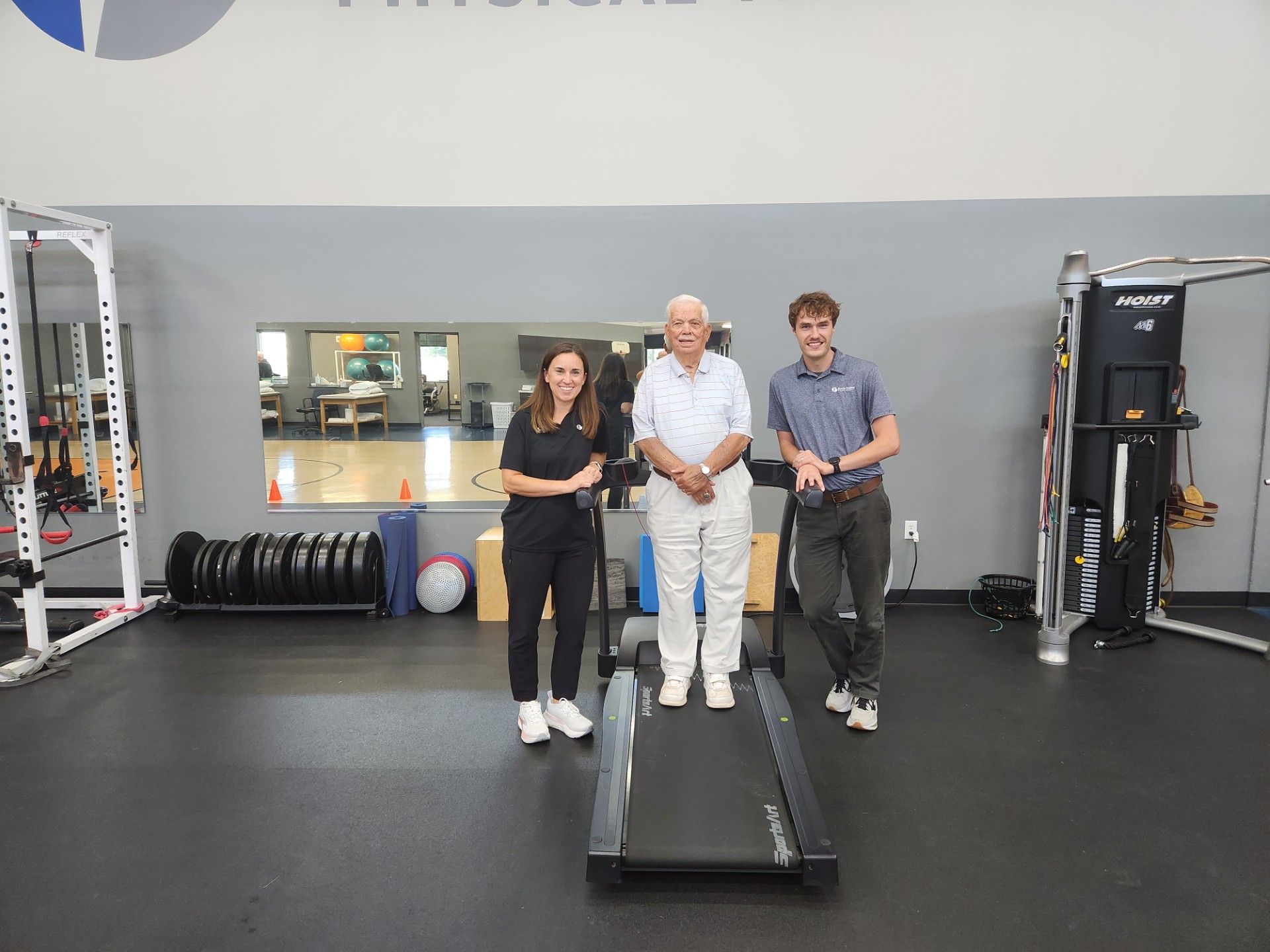
Three people standing on a treadmill in a gym, with exercise equipment in the background.
By Kylie Williams • October 12, 2026
“I don’t know where I would be without Ashley (Schurr, PT, DPT, OCS, CSCS),’’ said Hendren, who used to regularly shoot his age in golf, has a hole-in-one to his credit, and also a perfect 300 game in bowling. “She has always been there to get me through whatever I am dealing with. It’s been a lot of years with Ashley
By ashley johnson • October 9, 2026
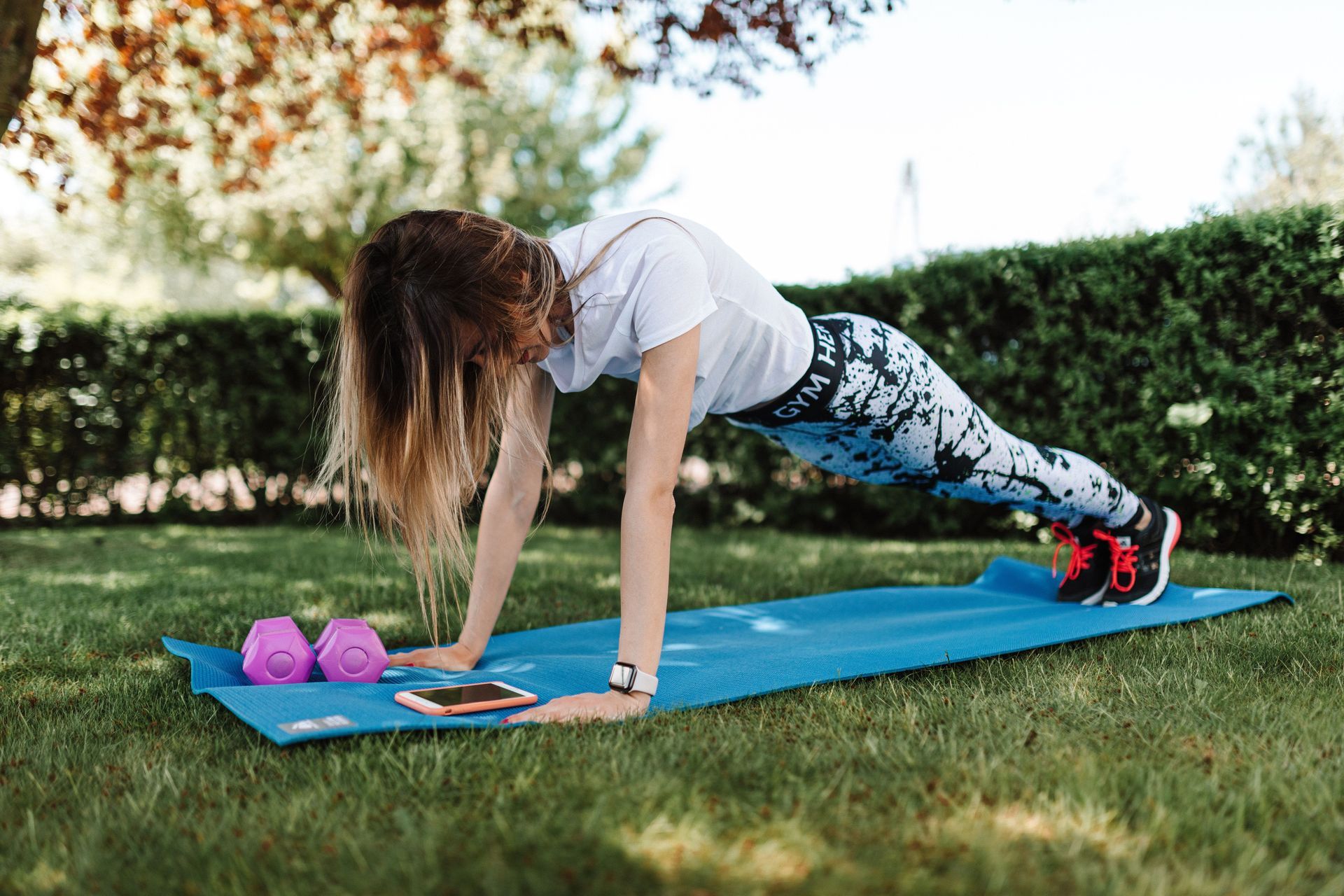
Most people assume physical therapy is something you only need after tearing a ligament, having joint replacement surgery, or waking up with a stiff neck. While PTs are great at those things, treating injuries is only half of what we do. Physical therapy is also one of the most effective, underused tools for preventative wellness. PT can help you move better, prevent chronic disease and help protect your health for decades to come. Exercise Is The Wonder Drug You Don’t Need a Prescription For We all know exercise is good for us. If physical activity were packaged into a single pill, it would be the most prescribed blockbuster medication on earth. The benefits of exercise are incredible: Improves your mood and mental clarity: Triggers natural endorphins and neurotransmitters that combat depression and chronic anxiety Protects against chronic illness: Drastically reduces your risk of cardiovascular disease, stroke, type 2 diabetes, and multiple types of cancer Improves immune function: Studies show regular moderate activity significantly lowers the risk of severe respiratory illness and hospitalization from viruses like COVID-19 Protects brain health: Staying physically active through midlife helps reduce the risk of cognitive decline and dementia Improves metabolic health and sleep: Helps regulate insulin sensitivity, blood pressure, and circadian rhythm But the CDC reports that fewer than a quarter of American adults meet the full federal benchmarks for aerobic and muscle-strengthening activity. Why is that? Because for many people, moving regularly hurts, feels overwhelming, or doesn't fit well into everyday life. That's where your physical therapist comes in. Physical Therapy Helps You For Life To stay active, you have to first be able to move comfortably and safely. Physical Therapists are doctoral-level experts in the human movement system. They'll evaluate your entire body to reduce pain, get you moving better, and help you find the best exercise routine for you. They can also work together with your broader healthcare team. Whether your physician has urged you to lower your blood pressure, manage cholesterol, or improve your HbA1c levels, your PT can design an exercise prescription to help with these goals safely, and without pain. Think of your physical therapist the same way you think of your primary care physician or dentist: someone you visit for regular check-ups, movement screenings, and prescription changes. As your body changes across different decades, or as your lifestyle shifts from training for 10Ks to keeping up with grandkids, your PT can help you stay pain-free, capable, and healthy. Aging is inevitable, but losing mobility, strength, and independence is not. You don't have to wait for pain to make an appointment with your PT. Whether you want to run your first 5K, get back in the gym safely, or maintain your mobility and independence, think of your physical therapist as your movement coach and lifelong partner.