

Amputee Rehabilitation

At Rock Valley Physical Therapy, our amputee rehabilitation program is built to support patients through every stage of recovery—from post-surgical healing to learning to move confidently with a prosthetic. Our goal is to help you regain strength, independence, and control as you adapt to life after limb loss.

Common Treatments

Amputee rehab at Rock Valley Physical Therapy includes a wide range of treatments tailored to each person’s level of mobility, overall health, and goals. Common approaches include:


  • Pre-prosthetic preparation: Strengthening and conditioning to prepare for prosthetic fitting and use.
  • Balance and gait training: Improving coordination, stability, and safety during walking and standing.
  • Residual limb care: Managing swelling, skin health, and desensitization techniques.
  • Core and limb strengthening: Focusing on muscle groups that support posture, movement, and prosthetic control.
  • Pain management strategies: Addressing phantom limb pain and residual limb discomfort through physical therapy techniques and education.
  • Prosthetic training: Teaching safe and effective use of a prosthesis in daily life and mobility tasks.


Each plan is developed in close collaboration with the patient, often alongside prosthetists and other healthcare providers, to foster well-rounded progress and enhance daily function.

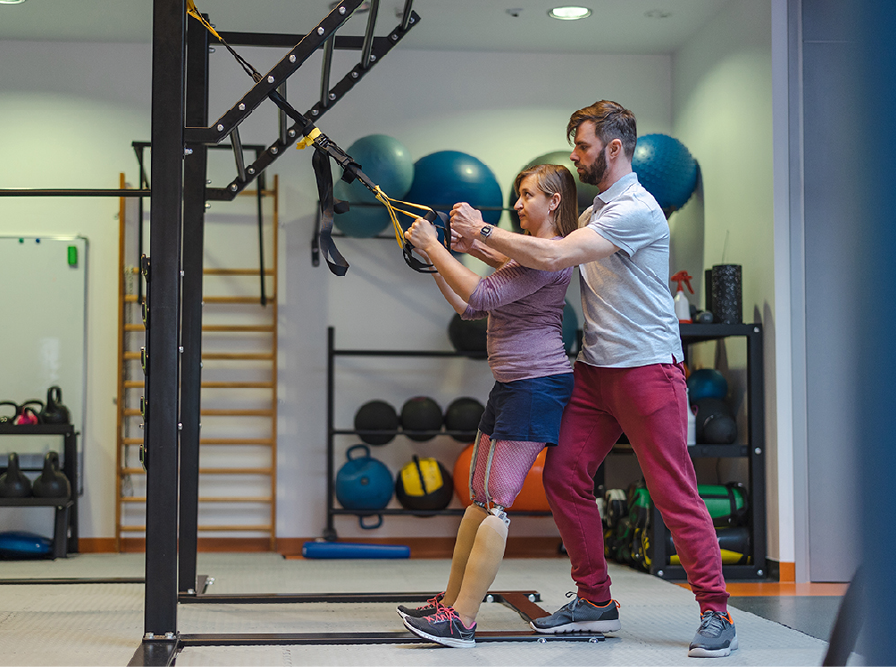
Woman with prosthetic legs working out with a physical therapist using suspension straps in a gym.
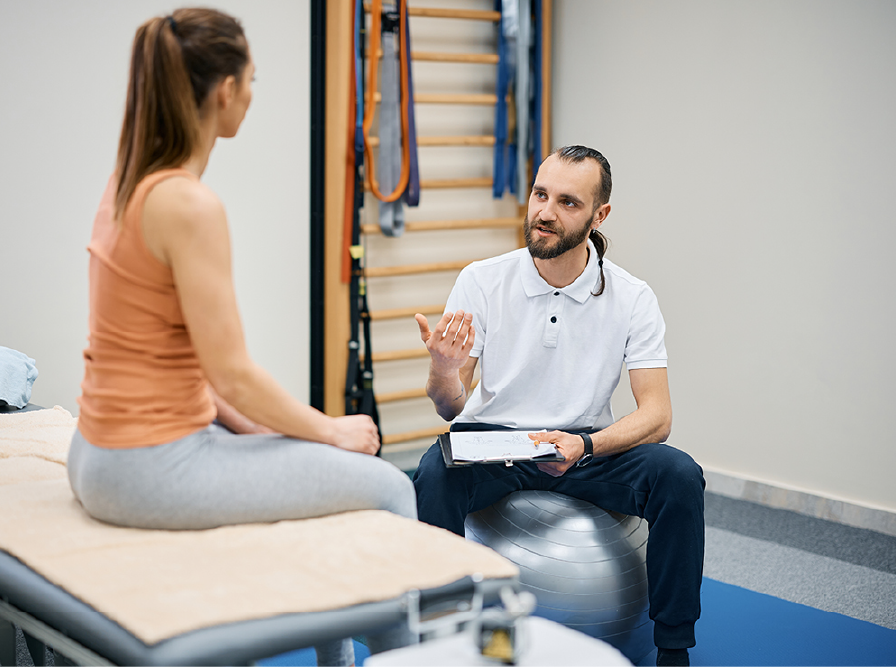
A physical therapist consults with a patient sitting on an examination table; they are in a brightly lit room.

The Benefits of Amputation Rehab and Physical Therapy

Amputee rehabilitation focuses on restoring physical function while also helping you rebuild confidence, regain independence, and stay involved in daily life. The right therapy plan can reduce the risk of falls, prevent joint and muscle problems, and improve comfort during everyday tasks.


Working with a physical therapist provides structured, consistent progress. You’ll learn how to move safely, protect your residual limb, and adjust to a prosthetic if you're using one. Targeted exercises help build strength and endurance, while hands-on techniques and education support pain relief and long-term mobility.


Each phase of amputee rehab builds on the last, giving you a clear path forward and a team that’s invested in your success.

What to Expect During Treatment

Your amputee rehabilitation journey at Rock Valley Physical Therapy begins with a detailed evaluation. Your therapist will assess strength, range of motion, balance, pain levels, and mobility. That assessment shapes a care plan focused on your individual goals, such as walking with a prosthesis, handling daily tasks, or getting back to work and hobbies.


Early sessions may focus on wound healing, residual limb care, and preventing joint stiffness. As you progress, treatment often shifts toward improving strength, balance, and movement patterns. If you’re preparing for or using a prosthetic, training will include proper alignment, weight shifting, and safe walking techniques.


Expect one-on-one guidance and clear communication throughout each step. Your therapist will explain what you're working on, why it matters, and how each activity supports your recovery.

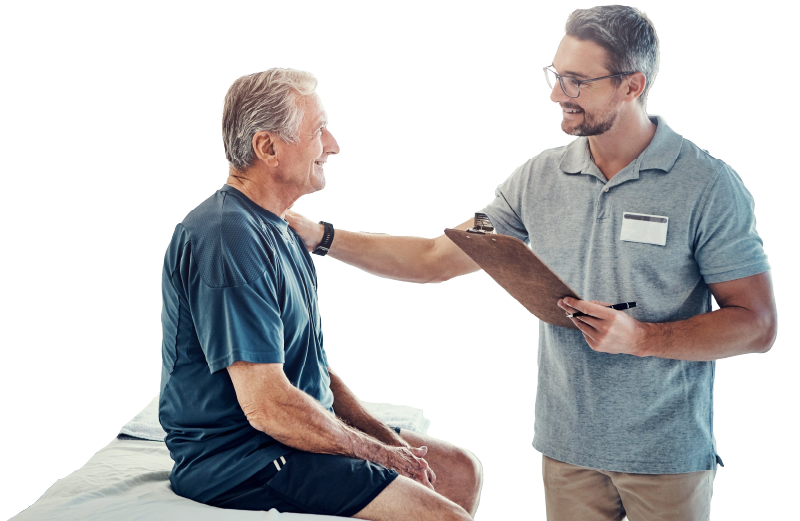
Therapist comforting older adult patient; one hand on shoulder, other holding clipboard.

Find a Clinic Near You

Why Choose Rock Valley Physical Therapy?

At Rock Valley Physical Therapy, amputee rehabilitation is centered around the whole person, not just the injury or surgery. Our therapists bring deep experience and a commitment to care that’s personal, consistent, and grounded in your goals.


You’ll work with the same therapist throughout your rehab, building trust and progress over time. We coordinate closely with prosthetists and other providers when needed, making sure your care stays connected and effective. Our team understands the physical and emotional challenges that can come with limb loss, and we’re here to support every part of that journey.


With over 60 convenient locations, flexible scheduling, and no referral needed to start, getting the help you need is straightforward. Since we are therapist-led and patient-focused, decisions are based on what supports your progress rather than outside pressures.


Contact us today to schedule your first appointment and take the next step in your recovery.

Real Stories. Real Results.

"The staff and clinicians are all very good. They answered all my questions, time spent with me was excellent and everyone showed great compassion."

"Everything is top notch! The expertise of the PTs and their caring attitude is exemplary. All the support staff are great!"

"I was very pleased with all of my care - pre op & post op. You did a wonderful job preparing me for surgery and getting me healed after."

"Excellent doesn't give the staff enough credit to how hard they work for their patient. All of the staff works very hard to give you extra help as each person needs."

Tips, Insights & Recovery Advice

Woman in a gray sweater holding her forehead and looking pained in a bright room by a window
April 29, 2026
Learn why dizziness when standing happens, what causes lightheadedness, and when symptoms may signal a need for medical attention.
February 12, 2026
Vestibular therapy is a powerful form of treatment. Its design is to help patients with vestibular disorders return to daily life without discomfort and dizziness. In the following content, we explore a variety of vestibular disorders, including causes and symptoms, as well as the impact vestibular therapy can have on suffering patients. Finally, we answer – “What is Vestibular Therapy?”, and “what does this helpful therapy involve?”

Request an Appointment

Amputee Rehabilitation Contact Form