



Blood Flow Restriction Training

Recovering from surgery or injury can make it hard to build strength the way you used to. At Rock Valley Physical Therapy, we use blood flow restriction training to help you gain strength and muscle safely, even when heavy lifting isn’t possible.


This technique combines low-load exercise with controlled pressure to create a muscle-building effect using much lighter weights. It’s a smart, research-backed way to rebuild strength while protecting joints, tendons, and healing tissue.


No referral needed. Just reach out to schedule. Our therapists will walk you through each step and help you move forward with less stress on your body.

What is Blood Flow Restriction Training?

Blood Flow Restriction (BFR) Training is a technique that uses blood flow occlusion and low intensity exercise to improve strength and hypertrophy earlier in the recovery process. A specialized cuff is placed on the proximal arm or leg and connected to a BFR unit. The cuff is then inflated and allows for arterial blood to flow into the extremity and restricts outward flow of the venous blood. During exercise, growth hormone is released, which allows the muscles to synthesize protein and build strength with little loading.

BFR has demonstrated strength and hypertrophy gains with loads of as little as 20% of 1 rep max (RM). There are over 820 research studies regarding BFR. Research states: “Importantly, research suggests that low load resistance exercise (20–30% 1 RM) and low load aerobic exercise (<70 m/min walk training), which would not be expected to cause considerable increases in muscular quantity or quality under normal circumstances, when combined with PBFR produced an exaggerated response for maximizing muscle strength and hypertrophy.

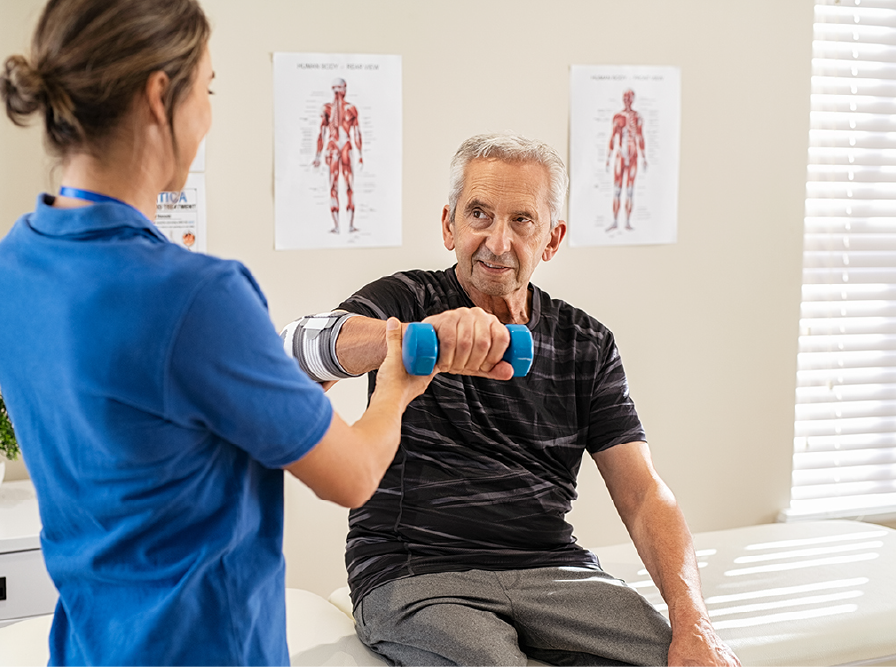
Therapist assists a man with weight lifting; he sits on a medical table, holding a dumbbell.

Conditions Commonly Treated

Blood flow restriction training is especially helpful when traditional strength training isn’t safe or realistic. It allows patients to build muscle and improve function using light resistance, which is ideal during the early stages of recovery or when dealing with long-term conditions.


Common diagnoses and situations that benefit from BFR include:


  • Post-surgical recovery
  • ACL, meniscus, or Achilles repairs
  • Rotator cuff or labral repairs
  • Total joint replacements
  • Muscle strains or weakness
  • Chronic pain or joint sensitivity
  • Knee osteoarthritis
  • Non-weight-bearing status
  • Limited mobility or deconditioning
  • Muscle loss related to aging or inactivity
  • Amputation or limb difference


This approach helps patients regain strength faster without adding stress to healing tissues, making it a valuable tool in both rehab and long-term recovery plans.

Who Can Benefit?

Blood flow restriction training is a safe, effective option for people looking to build strength without stressing healing joints or tissues. It’s often used during rehab but is also valuable for anyone trying to regain strength more efficiently.


BFR is a good fit for:


  • Post-surgical patients with movement or weight-bearing restrictions
  • Athletes recovering from injury
  • Adults managing chronic pain or joint issues
  • Older adults working to maintain or rebuild muscle
  • Anyone experiencing weakness or loss of strength after time off from activity


Whether you're working toward recovery or trying to improve performance, BFR can help you get stronger using less resistance. It’s available at select Rock Valley PT locations and is always guided by a trained therapist.

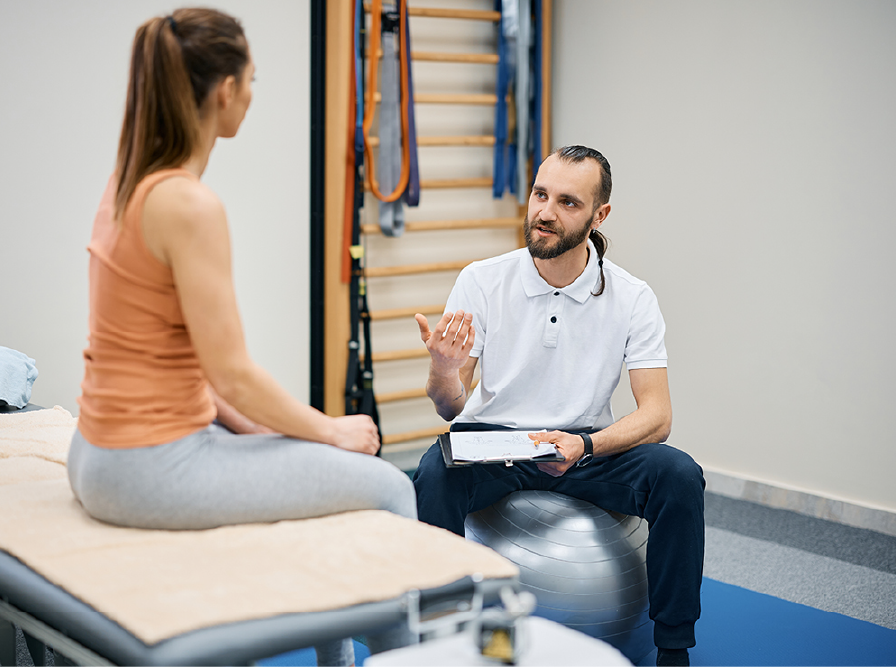
Physical therapist is discussing a treatment plan with a patient seated on an examination table.

What to Expect During Treatment

Blood flow restriction training begins with a personalized evaluation. Your therapist will identify the best way to use BFR based on your condition, goals, and stage of recovery. A cuff is placed on your upper arm or leg and gently inflated to limit blood flow leaving the muscle while still allowing blood to enter.


Exercises are done using light resistance, often just body weight or minimal load. Despite the low intensity, your body reacts as if it’s lifting something much heavier. This triggers muscle growth, improves strength, and helps speed up recovery without putting pressure on your joints.


Each session is guided by a trained therapist who monitors the process to keep it safe and comfortable. Most people feel a noticeable muscle burn, but the treatment is well-tolerated and adjusted as needed for your comfort and progress.

Find a Clinic Near You

Why Choose Rock Valley Physical Therapy?

You deserve someone you can trust. We understand – life is busy. We make getting started easier than you might think. We accept nearly every insurance, and you can come in without a physician referral. Whether it’s lifting a grandchild, exercising, or just walking without pain, we are dedicated to getting you back to the life you want to live.

Experienced Therapists
Our team comprises licensed professionals with specialized training.


Convenient Locations

With over 60 clinics, we offer accessible care close to home.


No Referral Needed
Direct access to physical therapy services without a physician's referral.


Continuity of Care
Patients work with the same therapist throughout their treatment journey.

Real Stories. Real Results.

"The staff and clinicians are all very good. They answered all my questions, time spent with me was excellent and everyone showed great compassion."

"Everything is top notch! The expertise of the PTs and their caring attitude is exemplary. All the support staff are great!"

"I was very pleased with all of my care - pre op & post op. You did a wonderful job preparing me for surgery and getting me healed after."

"Excellent doesn't give the staff enough credit to how hard they work for their patient. All of the staff works very hard to give you extra help as each person needs."

Tips, Insights & Recovery Advice

By ashley johnson June 17, 2026
Summer is a great time to get outside and enjoy activities like running, hiking, and swimming. Moving your body is great for your health! But sometimes, fun activities can lead to aches and pains. The good news is that many common summer sports injuries can be avoided. As physical therapists, we want to help you stay active and safe. Studies show that programs to prevent injuries really can work. Taking a few simple steps before, during, and after your activities can make a big difference. Before You Go: Warm Up Your Body Think of a warm-up as a gentle wake-up call for your muscles. It gets your blood flowing and prepares your body for more activity. This can help lower your chances of getting hurt. For Running & Hiking: Start with 5-10 minutes of light cardio, like brisk walking or jogging in place. Try some dynamic stretches - these are stretches where you move: Leg Swings: Hold onto something stable and gently swing one leg forward and back (10 times), then side to side (10 times). Repeat with the other leg. Arm Circles: Make big circles with your arms forward (10 times) and then backward (10 times). Walking Lunges: Step forward into a lunge, keeping your front knee over your ankle. Alternate legs for 10-12 lunges. For Swimming: Begin with a few minutes of easy swimming at a slow pace. Do some gentle arm and leg movements in the water or on the pool deck: Arm Swings: Similar to above, swing your arms forward and backward. Shoulder Rolls: Roll your shoulders up, back, and down (10 times). Smart Moves to Avoid Common Injuries Each activity has its own set of common issues. Here’s how to protect yourself: Running: Common Issues: Runner's knee, shin splints, and ankle sprains. Stay Safe: Wear good running shoes that fit well and replace them when they wear out. Increase your running distance and speed slowly. Don't do too much, too soon. Run on softer surfaces when possible. Hiking: Common Issues: Ankle sprains, blisters, and knee pain. Stay Safe: Wear sturdy hiking shoes or boots with good ankle support. Use hiking poles, especially on uneven ground, to help with balance. Pay attention to the trail and where you are stepping. Drink plenty of water, especially on hot days. Swimming: Common Issues: Swimmer's shoulder and neck pain. Stay Safe: Focus on good swimming form. If you’re unsure, a lesson could help. Don’t overdo it with training equipment like hand paddles too soon. Listen to your body. If your shoulder or neck hurts, take a break. After Your Activity: Cool Down and Recover Just like a warm-up, a cool-down helps your body. It allows your heart rate to return to normal slowly and can help reduce muscle soreness. Cool Down (All Activities): Finish with 5-10 minutes of slower activity. For example, walk after a run or hike, or do some very easy swimming. Recovery Tips: Gentle Stretching: Hold stretches for 20-30 seconds. Focus on the muscles you used. For example, stretch your hamstrings (back of thighs), quadriceps (front of thighs), and calves after running or hiking. For swimming, stretch your shoulders and chest. Hydrate: Drink water to replace fluids you lost while sweating. Eat Well: Have a balanced snack or meal with some protein and carbohydrates to help your muscles recover. Rest: Make sure you get enough sleep. This is when your body does a lot of its repair work. Listen to Your Body: If something feels wrong or you have pain that doesn't go away, don't ignore it. Enjoy your summer activities! Take these simple steps to help keep yourself injury-free and feeling your best. If you do experience pain or an injury, remember that physical therapy can help you get back to doing the things you love. No prescription. No referral. Just reach out and we'll help!
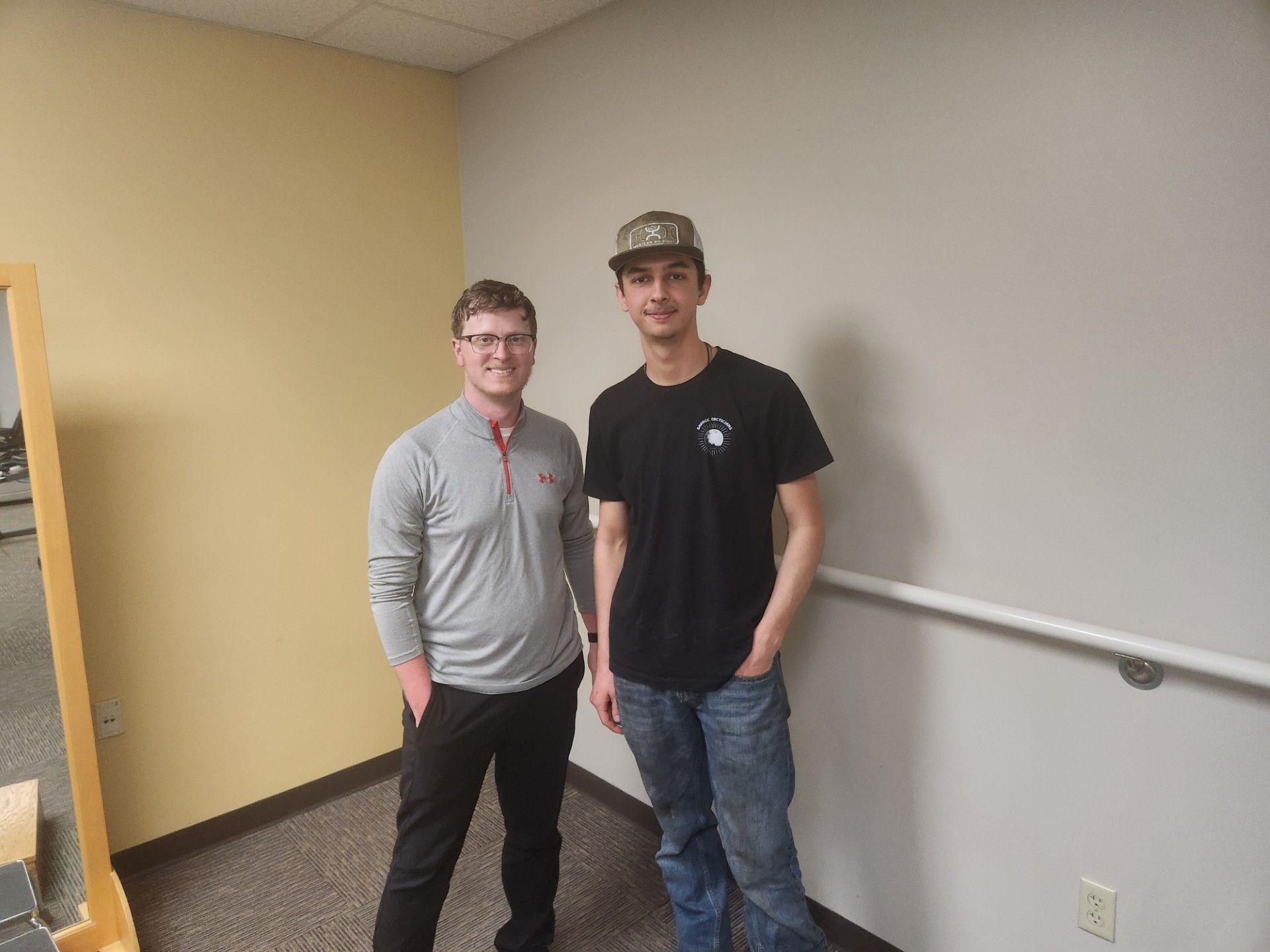
Three people stand in a therapy gym with treadmills, exercise equipment, and a mirror.
By Kylie Williams June 15, 2026
“Sarah and everyone else here have saved my life,’’ Rock added. “Sarah is always looking in on me at home, and that means something to me. Therapy is about me getting better, stronger, understanding what I can and cannot do. It's about easier ways to do things – whether it’s in the kitchen – or with everyday tasks."

Request an Appointment

Blood Flow Restriction Training Contact Form