


Occupational & Hand Therapy

Hand therapy is a specialized area of treatment that focuses on personalized services for individuals with upper extremity injuries.

What is Occupational & Hand Therapy?

  • What exactly is occupational therapy?

    Occupational therapy is a holistic rehabilitative approach that focuses primarily on the person’s daily activities (i.e. occupations) to improve their independence. Your occupation may be a parent, caregiver, swimmer, student, child, writer, construction worker or cook. An occupational therapist’s job is to provide intervention for you to get back to what you do each and every day and do it well! 


    Occupational therapists treat people from birth to elderly. Pediatrics is just one area of specialty. OT’s can also be skilled in working with the elderly to help with continued independence as well as otherwise healthy individuals with injuries to the upper body. OTs can also help with cognitive skills for safety and even driving. Other specialty areas in occupational therapy include (but not limited to): 


    • Orthopedic Therapy
    • Occupational and Hand Therapy
    • Pediatrics (including developmental skills and sensory processing)
    • Incontinence Retraining/Pelvic Floor
    • Lymphedema
    • Cognitive Rehabilitation
    • Cancer Rehabilitation (including Breast Cancer)
    • And more!
  • What exactly is hand therapy?

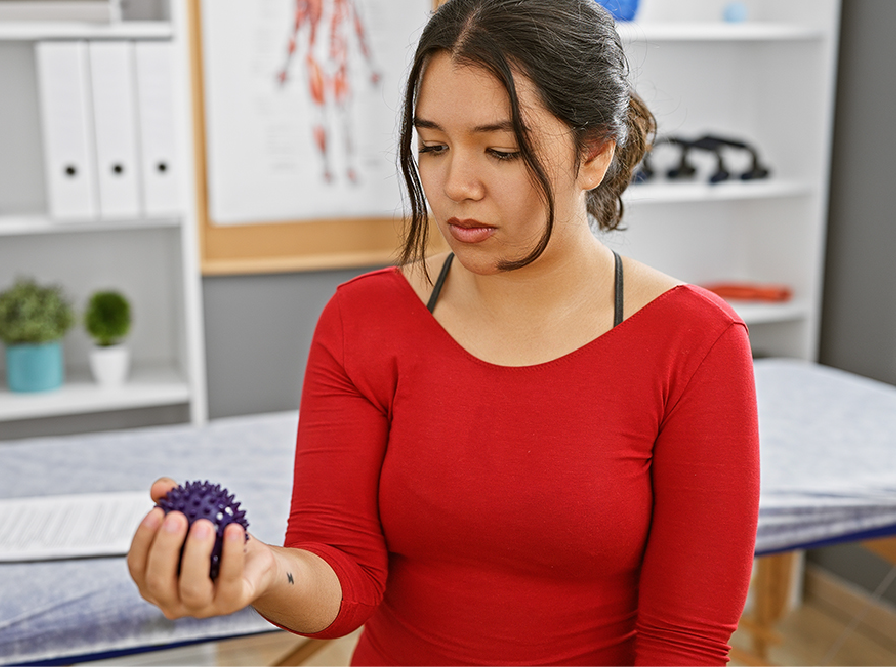
    Hand therapy is a specialized area of treatment that focuses on personalized services for individuals with upper extremity injuries. Hand therapists, both occupational and physical therapists, are highly trained to provide specialized care, allowing the individual to return to maximal functional use. 


    Rock Valley hand therapists provide tailored treatment plans based on the individual patient, not the condition, for return to optimal functionality. Rock Valley hand therapists have special certifications, working closely with physicians and surgeons to ensure the most comprehensive care for their patients.

Conditions Commonly Treated

Our occupational and hand therapy specialists treat a wide range of upper extremity conditions, including carpal tunnel syndrome, tendonitis, arthritis, trigger finger, wrist and hand fractures, nerve injuries, and post-surgical recovery. We also help with repetitive strain injuries and conditions that impact fine motor skills, grip strength, and daily function.

Who Can Benefit From Occupational Therapy?

Anyone experiencing limitations with upper extremity functionality when completing daily tasks, work, exercise, sports, or recreational activities can benefit from hand therapy. Patients may be restricted due to specific injury, injury, or prolonged activities resulting in chromic limitations. Hand therapists provide interventions that range from preventative care to post-operative rehabilitation for a wide variety of upper extremity conditions.

Preventative Care:

  • Patient Education
  • Custom Splinting
  • Strengthening and Flexibility Programs

Rehabilitation:

  • Diagnosis-Specific, Following Injury
  • Sensory Re-Education
  • Work Conditioning
  • Pain Management

Postoperative Care:

  • Wound Care
  • Scar Management
  • Protective Splinting
  • Edema Control
  • Diagnosis-Specific Exercise Programs

Customized Splinting:

  • Post-Operative
  • Deformity Correction
  • Contracture Reduction
  • Sports

Specific Conditions Include:

  • Crush Injuries
  • Fractures and Dislocations
  • Tendon Injuries
  • Nerve Injuries
  • Cumulative Trauma
  • Arthritis
  • Pain Syndromes
  • Sports Injuries
  • Amputations

What to Expect During Therapy

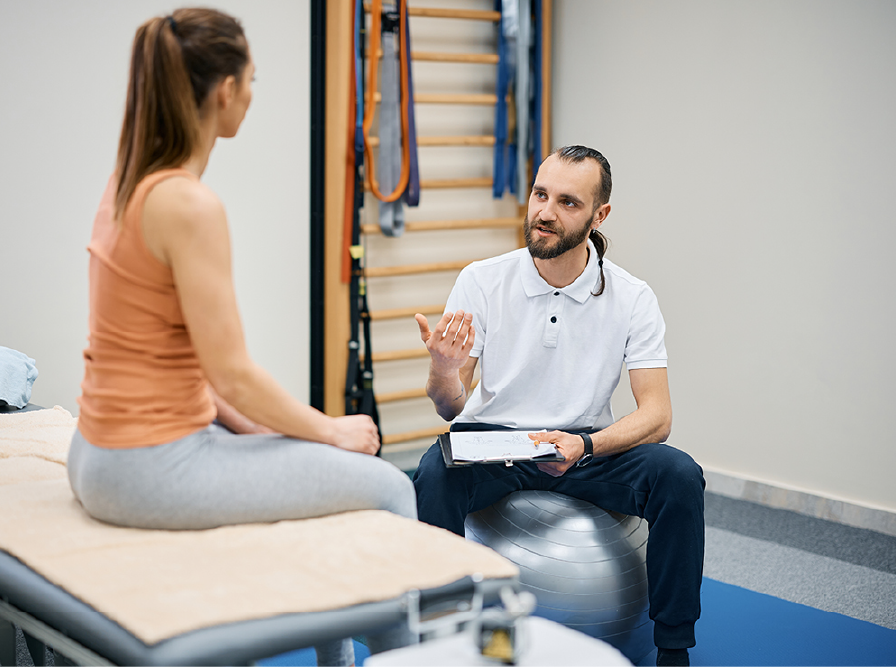
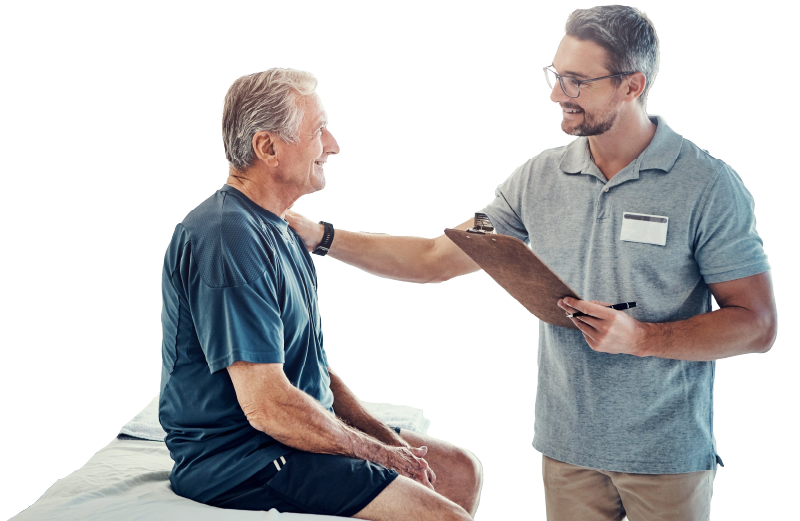
Your therapy begins with a detailed evaluation of your pain, mobility, and how your condition affects daily tasks. From there, your therapist will create a customized treatment plan that may include manual therapy, exercises, splinting, and activity modifications. Whether you're recovering from surgery or dealing with a long-term condition, our goal is to restore function and help you get back to doing what you love—with less pain and more confidence.

Find a Clinic Near You

Why Choose Rock Valley Physical Therapy?

You deserve someone you can trust. We understand – life is busy. We make getting started easier than you might think. We accept nearly every insurance, and you can come in without a physician referral. Whether it’s lifting a grandchild, exercising, or just walking without pain, we are dedicated to getting you back to the life you want to live.

Experienced Therapists
Our team comprises licensed professionals with specialized training.


Convenient Locations

With over 60 clinics, we offer accessible care close to home.


No Referral Needed
Direct access to physical therapy services without a physician's referral.


Continuity of Care
Patients work with the same therapist throughout their treatment journey.

Real Stories. Real Results.

"The staff and clinicians are all very good. They answered all my questions, time spent with me was excellent and everyone showed great compassion."

"Everything is top notch! The expertise of the PTs and their caring attitude is exemplary. All the support staff are great!"

"I was very pleased with all of my care - pre op & post op. You did a wonderful job preparing me for surgery and getting me healed after."

"Excellent doesn't give the staff enough credit to how hard they work for their patient. All of the staff works very hard to give you extra help as each person needs."

Tips, Insights & Recovery Advice

Man standing in front of Rock Valley Physical Therapy sign in a blue-walled office lobby.
By Kylie Williams June 10, 2026
“Max has been the best physical therapist I have had,’’ she said. “He sincerely listened to what I had to say and was knowledgeable when I asked him questions. He continually asked how the exercises and treatments were feeling. He knew the pain I was in because by surgery time, I could barely walk, sit, or sleep."
By ashley johnson June 4, 2026
We often think of physical therapy as something we only need after a sports injury or a surgery. While PTs are certainly experts in fixing knees and backs, their role in your health goes much deeper. In fact, one of the most important muscles a physical therapist can help you strengthen isn't in your leg or your arm, it’s your heart. Heart disease remains the leading cause of death globally. According to recent data from the American Heart Association, someone in the United States dies of heart disease every 34 seconds. The good news? A lot of cardiovascular disease is preventable through lifestyle changes, with regular movement being one of the most powerful medicines out there. The Challenge of Getting Started Current health guidelines recommend that ad ults get at least 150 minutes of moderate-intensity aerobic activity per week. H owever, for many, that goal feels out of reach. Maybe you want to start walking or cycling, but an old nagging injury flares up every time you try. Or it could be the fear of "doing too much" after a health scare that keeps you on the couch. This is where physical therapy becomes your heart's best friend! How a Physical Therapist Supports Your Heart A physical therapist is a movement specialist. They don't just look at a painful joint, they look at how your whole body moves and how your heart and lungs respond to that movement. Here is how they help you go from staying still to getting active: Before Activity: Before you start a new exercise routine, a PT can assess your balance, strength, and cardiovascular response. This makes sure you start at a level that is challenging enough to strengthen your heart but safe enough to avoid burnout or injury. Overcoming Pain: Many people stop exercising because of joint pain. A PT identifies the root cause of that pain, whether it’s a weakness in the hip causing knee pain or poor posture affecting your breathing, and provides a plan to fix it so you can keep your heart rate up without the aches. Recovery and Beyond: If you have experienced a major health event like a heart attack, stroke, or are undergoing cancer treatment, exercise is vital but can be intimidating. Research highlights that supervised exercise programs led by PTs significantly reduce fatigue and improve quality of life for people recovering from complex medical conditions. Managing Chronic Conditions: Physical therapy is increasingly used to help manage conditions that affect the heart indirectly, such as Type 2 diabetes and high blood pressure, by creating sustainable, low-impact movement plans. Movement is Medicine You don’t need to be a marathon runner to improve your heart health. Brisk walking, swimming, or even gardening can make a massive difference. The key is consistency and safety. If you’ve been hesitant to get moving, or if pain is standing in your way, consider a physical therapy evaluation. Your PT can help give your heart the support it needs to keep you moving for years to come.

Request an Appointment

Occupational & Hand Therapy Contact Form