

MAKING BETTER LIVES

What to Expect

Welcome to Rock Valley! Expect to be greeted with a smile, because you matter to us.

What to Expect at Your First Visit

You’re not alone. We’re there every step of the way.

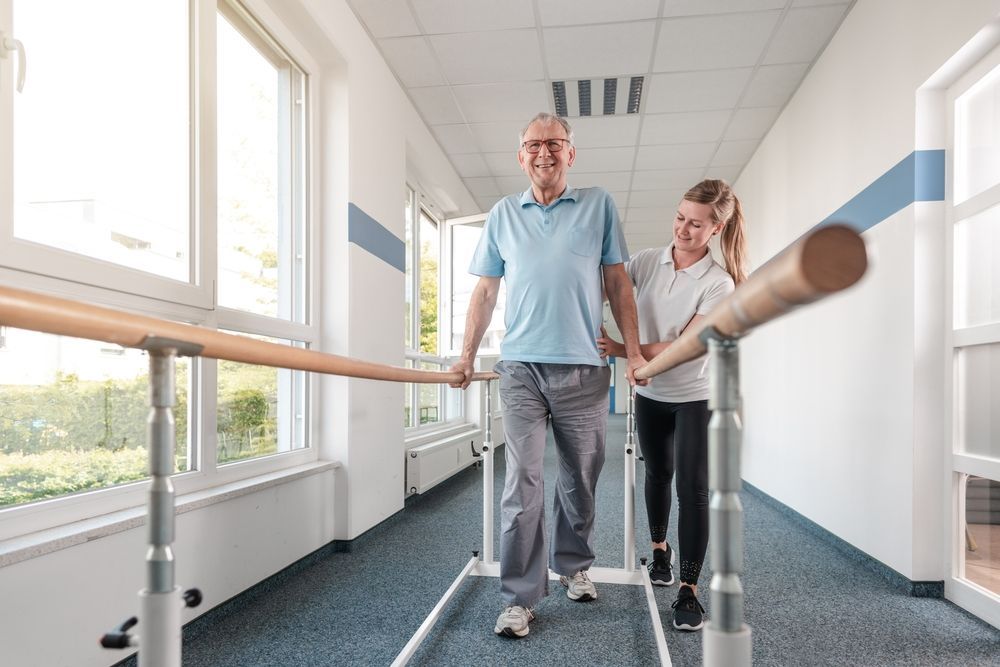
We’re right there with our patients to guide them through recovery with an empathetic, strategic approach, designed to deliver the best outcome. Who knows, before you know it, you might feel like you gained a friend and a therapist.

Additional information regarding your visit, what to bring with you and what you can expect:

Please bring in a list of your current medications including frequency and dose of each medication taken daily. If you have any questions, please call ahead of time and we’ll be glad to answer them. Thank you for allowing us to be your care providers, we greatly appreciate your choosing Rock Valley Physical Therapy. We look forward to working with you.

Frequently Asked Questions

  • Do I need a Doctors referral?

    In most cases, you do not need a doctor’s referral to start physical therapy. 


    Thanks to “direct access,” you can schedule an evaluation with a licensed physical therapist right away.

  • What should I expect at my first visit?

    Your first appointment includes a comprehensive evaluation where we discuss your symptoms, medical history, and goals. Your therapist will perform an assessment and begin a personalized treatment plan.

  • What do I need to bring to my first appointment?

    Plan to arrive about 10–15 minutes early for your first visit. You can complete your paperwork ahead of time through our online paperwork that was sent to your email.


    Please bring your insurance information (insurance card, workers’ compensation claim details, or auto insurance information) along with your driver’s license or valid ID. If you have any recent, related test results such as MRI or X-ray reports - those can be helpful and should be brought to your appointment.

  • What should I wear?

    Wear comfortable, loose-fitting clothing that allows easy movement and access to the area being treated (for example, shorts for knee pain or a tank top for shoulder issues).

  • Do you offer treatment for more than just injuries?

    Yes! In addition to orthopedic care, we treat a wide range of conditions including balance issues, pelvic health concerns, TMJ/TMD, and more.

  • Are there private treatment rooms?

    Yes, all of our locations have private treatment rooms available.

  • What if I need to cancel or reschedule?

    We understand schedules change. Please contact us at least 24 hours in advance if you need to cancel or reschedule your appointment.

Why Choose Us

You deserve a team you can trust. We understand life is busy, and you need care that’s efficient, effective, and fits into your schedule. That’s why getting started is easier than you might think. Rock Valley Physical Therapy accepts most insurance plans, and in many cases, you can begin care without a physician referral.


Whether your goal is reducing pain, improving mobility, or returning to the activities you enjoy, our team works closely with you to deliver expert, personalized care every step of the way.

Real Stories. Real Results.

"The staff and clinicians are all very good. They answered all my questions, time spent with me was excellent and everyone showed great compassion."

"Everything is top notch! The expertise of the PTs and their caring attitude is exemplary. All the support staff are great!"

"I was very pleased with all of my care - pre op & post op. You did a wonderful job preparing me for surgery and getting me healed after."

"Excellent doesn't give the staff enough credit to how hard they work for their patient. All of the staff works very hard to give you extra help as each person needs."

Tips, Insights & Recovery Advice

Man standing in front of Rock Valley Physical Therapy sign in a blue-walled office lobby.
By Kylie Williams June 10, 2026
“Max has been the best physical therapist I have had,’’ she said. “He sincerely listened to what I had to say and was knowledgeable when I asked him questions. He continually asked how the exercises and treatments were feeling. He knew the pain I was in because by surgery time, I could barely walk, sit, or sleep."
By ashley johnson June 4, 2026
We often think of physical therapy as something we only need after a sports injury or a surgery. While PTs are certainly experts in fixing knees and backs, their role in your health goes much deeper. In fact, one of the most important muscles a physical therapist can help you strengthen isn't in your leg or your arm, it’s your heart. Heart disease remains the leading cause of death globally. According to recent data from the American Heart Association, someone in the United States dies of heart disease every 34 seconds. The good news? A lot of cardiovascular disease is preventable through lifestyle changes, with regular movement being one of the most powerful medicines out there. The Challenge of Getting Started Current health guidelines recommend that ad ults get at least 150 minutes of moderate-intensity aerobic activity per week. H owever, for many, that goal feels out of reach. Maybe you want to start walking or cycling, but an old nagging injury flares up every time you try. Or it could be the fear of "doing too much" after a health scare that keeps you on the couch. This is where physical therapy becomes your heart's best friend! How a Physical Therapist Supports Your Heart A physical therapist is a movement specialist. They don't just look at a painful joint, they look at how your whole body moves and how your heart and lungs respond to that movement. Here is how they help you go from staying still to getting active: Before Activity: Before you start a new exercise routine, a PT can assess your balance, strength, and cardiovascular response. This makes sure you start at a level that is challenging enough to strengthen your heart but safe enough to avoid burnout or injury. Overcoming Pain: Many people stop exercising because of joint pain. A PT identifies the root cause of that pain, whether it’s a weakness in the hip causing knee pain or poor posture affecting your breathing, and provides a plan to fix it so you can keep your heart rate up without the aches. Recovery and Beyond: If you have experienced a major health event like a heart attack, stroke, or are undergoing cancer treatment, exercise is vital but can be intimidating. Research highlights that supervised exercise programs led by PTs significantly reduce fatigue and improve quality of life for people recovering from complex medical conditions. Managing Chronic Conditions: Physical therapy is increasingly used to help manage conditions that affect the heart indirectly, such as Type 2 diabetes and high blood pressure, by creating sustainable, low-impact movement plans. Movement is Medicine You don’t need to be a marathon runner to improve your heart health. Brisk walking, swimming, or even gardening can make a massive difference. The key is consistency and safety. If you’ve been hesitant to get moving, or if pain is standing in your way, consider a physical therapy evaluation. Your PT can help give your heart the support it needs to keep you moving for years to come.

Request an Appointment

What to Expect Contact Form