



Hip Pain Treatment

Your hips are central to almost every movement—from walking and climbing stairs to getting in and out of a chair. When hip pain strikes, it can limit your mobility and impact your daily life. At Rock Valley Physical Therapy, we take a personalized, movement-based approach to identify the source of your pain and help you move more freely, with less discomfort.

Understanding Hip Pain

Hip pain can develop gradually from wear and tear or appear suddenly after an injury. It might be felt deep in the joint, along the outer hip, or even radiating down the leg. Because the hip works closely with the spine, pelvis, and knees, pain in this area is often complex—and requires a thorough assessment to treat it effectively.

Common Causes

  • Arthritis or joint degeneration
  • Hip bursitis or tendonitis
  • Labral tears or cartilage damage
  • Hip impingement (FAI)
  • Muscle imbalances or weakness
  • Repetitive stress from sports or activity
  • Injuries or falls
  • Lower back or pelvic dysfunction referring pain to the hip

When to Seek Physical Therapy

If your hip pain is interfering with walking, sleeping, or daily movement—or if it’s not improving with rest—it’s time to consider physical therapy. Early treatment can prevent more serious issues, reduce the need for medications, and help you return to your routine faster. You don’t need a referral to get started at Rock Valley PT.

How Physical Therapy Helps with Hip Pain

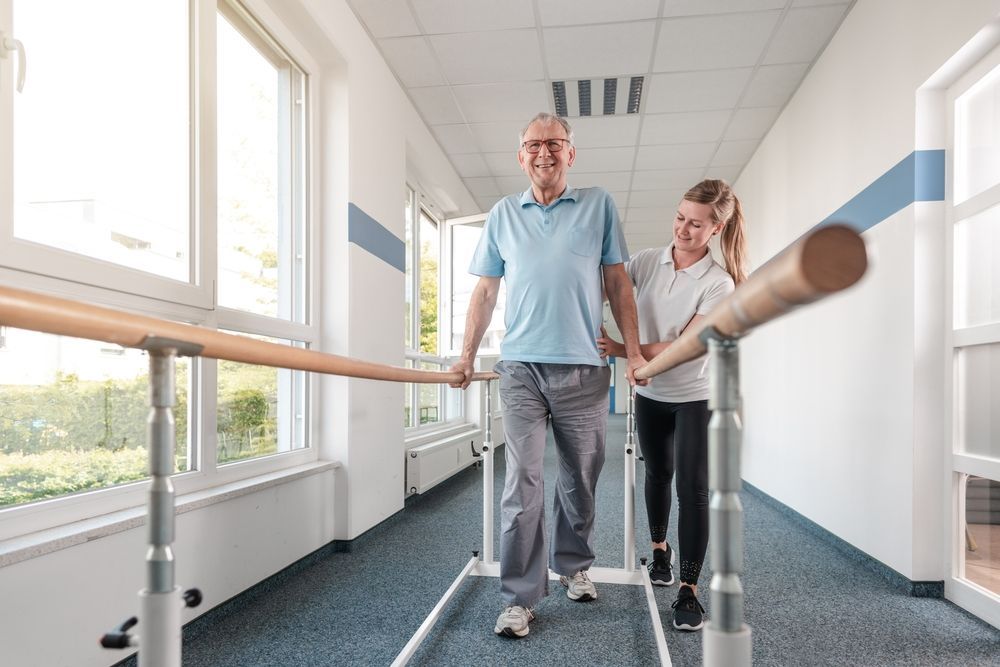
Our therapists use a combination of hands-on care, targeted exercises, mobility work, and posture retraining to reduce pain and restore hip function. We also evaluate how your surrounding muscles and joints are contributing to the issue to make sure your entire movement system is working together efficiently.

Custom Treatment Plans:

We create a personalized plan based on your condition, goals, and lifestyle.

Techniques May Include:

Conditions We Commonly Treat:

Find a Clinic Near You

Why Choose Rock Valley Physical Therapy?

You deserve someone you can trust. We understand – life is busy. We make getting started easier than you might think. We accept nearly every insurance, and you can come in without a physician referral. Whether it’s lifting a grandchild, exercising, or just walking without pain, we are dedicated to getting you back to the life you want to live.

Experienced Therapists
Our team comprises licensed professionals with specialized training.


Convenient Locations

With over 60 clinics, we offer accessible care close to home.


No Referral Needed
Direct access to physical therapy services without a physician's referral.


Continuity of Care
Patients work with the same therapist throughout their treatment journey.

Real Stories. Real Results.

"The staff and clinicians are all very good. They answered all my questions, time spent with me was excellent and everyone showed great compassion."

"Everything is top notch! The expertise of the PTs and their caring attitude is exemplary. All the support staff are great!"

"I was very pleased with all of my care - pre op & post op. You did a wonderful job preparing me for surgery and getting me healed after."

"Excellent doesn't give the staff enough credit to how hard they work for their patient. All of the staff works very hard to give you extra help as each person needs."

Tips, Insights & Recovery Advice

Woman in a gray sweater holding her forehead and looking pained in a bright room by a window
April 29, 2026
Learn why dizziness when standing happens, what causes lightheadedness, and when symptoms may signal a need for medical attention.
February 12, 2026
Vestibular therapy is a powerful form of treatment. Its design is to help patients with vestibular disorders return to daily life without discomfort and dizziness. In the following content, we explore a variety of vestibular disorders, including causes and symptoms, as well as the impact vestibular therapy can have on suffering patients. Finally, we answer – “What is Vestibular Therapy?”, and “what does this helpful therapy involve?”

Request an Appointment

Hip Contact Form