



Head Pain Treatment

Head pain can be more than just a headache—it can interfere with your focus, your mood, and your day-to-day life. At Rock Valley Physical Therapy, we take a whole-body approach to head pain, addressing not just the symptoms but the underlying causes. Whether it's tension, jaw dysfunction, or posture-related strain, our expert therapists are here to help you find lasting relief.

Understanding Head Pain

Head pain often stems from issues beyond the head itself. It can be caused by muscle tension in the neck and shoulders, poor posture, jaw dysfunction (TMJ), or even previous injuries. Identifying the true source is key to effective treatment. That’s why we perform a thorough evaluation to understand your pain patterns and how they affect your daily life.

Common Causes

  • Tension and tightness in the neck or shoulders
  • Poor posture or prolonged screen time
  • Temporomandibular joint (TMJ) dysfunction
  • Stress-related muscle tension
  • Cervicogenic headaches (originating from the neck)
  • Jaw clenching or teeth grinding (bruxism)
  • Whiplash or concussion-related injuries
  • Visual strain or ergonomic issues

When to Seek Physical Therapy

If your head pain is persistent, affects your ability to concentrate, worsens with movement, or is connected to your neck or jaw, physical therapy can help. You don’t need a referral to get started—and earlier care often leads to faster relief and fewer flare-ups.

How Physical Therapy Helps with Head Pain

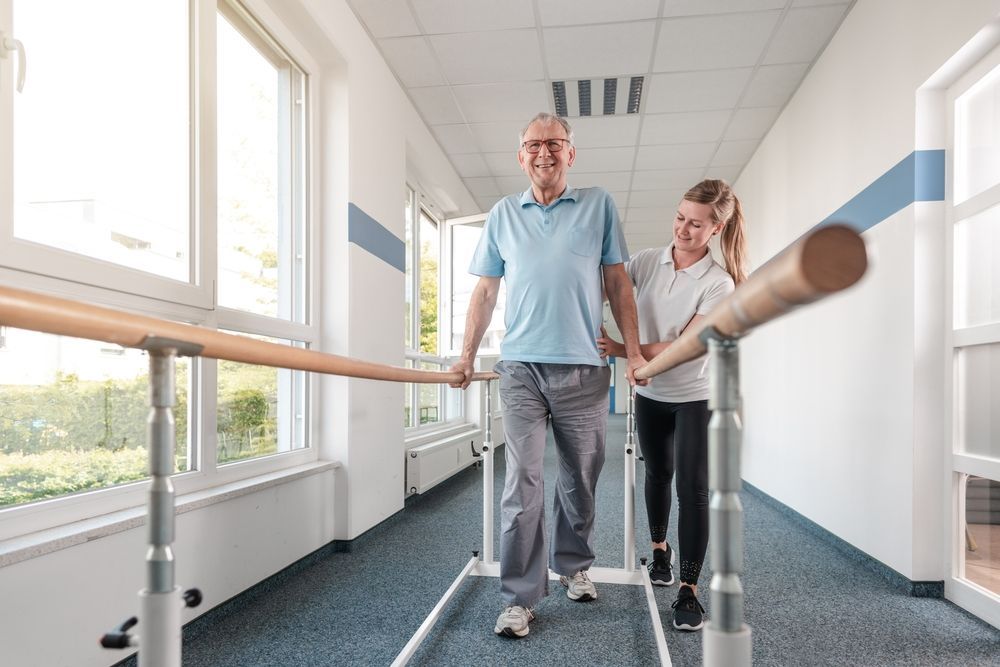
Our therapists use a combination of hands-on techniques, posture training, targeted exercises, and TMJ management (when needed) to relieve head pain at the source. We also educate you on triggers and prevention strategies so you can feel confident managing symptoms and reducing future discomfort.

Custom Treatment Plans:

We create a personalized plan based on your condition, goals, and lifestyle.

Techniques May Include:

Conditions We Commonly Treat:

Find a Clinic Near You

Why Choose Rock Valley Physical Therapy?

You deserve someone you can trust. We understand – life is busy. We make getting started easier than you might think. We accept nearly every insurance, and you can come in without a physician referral. Whether it’s lifting a grandchild, exercising, or just walking without pain, we are dedicated to getting you back to the life you want to live.

Experienced Therapists
Our team comprises licensed professionals with specialized training.


Convenient Locations

With over 60 clinics, we offer accessible care close to home.


No Referral Needed
Direct access to physical therapy services without a physician's referral.


Continuity of Care
Patients work with the same therapist throughout their treatment journey.

Real Stories. Real Results.

"The staff and clinicians are all very good. They answered all my questions, time spent with me was excellent and everyone showed great compassion."

"Everything is top notch! The expertise of the PTs and their caring attitude is exemplary. All the support staff are great!"

"I was very pleased with all of my care - pre op & post op. You did a wonderful job preparing me for surgery and getting me healed after."

"Excellent doesn't give the staff enough credit to how hard they work for their patient. All of the staff works very hard to give you extra help as each person needs."

Tips, Insights & Recovery Advice

Man standing in front of Rock Valley Physical Therapy sign in a blue-walled office lobby.
By Kylie Williams June 10, 2026
“Max has been the best physical therapist I have had,’’ she said. “He sincerely listened to what I had to say and was knowledgeable when I asked him questions. He continually asked how the exercises and treatments were feeling. He knew the pain I was in because by surgery time, I could barely walk, sit, or sleep."
By ashley johnson June 4, 2026
We often think of physical therapy as something we only need after a sports injury or a surgery. While PTs are certainly experts in fixing knees and backs, their role in your health goes much deeper. In fact, one of the most important muscles a physical therapist can help you strengthen isn't in your leg or your arm, it’s your heart. Heart disease remains the leading cause of death globally. According to recent data from the American Heart Association, someone in the United States dies of heart disease every 34 seconds. The good news? A lot of cardiovascular disease is preventable through lifestyle changes, with regular movement being one of the most powerful medicines out there. The Challenge of Getting Started Current health guidelines recommend that ad ults get at least 150 minutes of moderate-intensity aerobic activity per week. H owever, for many, that goal feels out of reach. Maybe you want to start walking or cycling, but an old nagging injury flares up every time you try. Or it could be the fear of "doing too much" after a health scare that keeps you on the couch. This is where physical therapy becomes your heart's best friend! How a Physical Therapist Supports Your Heart A physical therapist is a movement specialist. They don't just look at a painful joint, they look at how your whole body moves and how your heart and lungs respond to that movement. Here is how they help you go from staying still to getting active: Before Activity: Before you start a new exercise routine, a PT can assess your balance, strength, and cardiovascular response. This makes sure you start at a level that is challenging enough to strengthen your heart but safe enough to avoid burnout or injury. Overcoming Pain: Many people stop exercising because of joint pain. A PT identifies the root cause of that pain, whether it’s a weakness in the hip causing knee pain or poor posture affecting your breathing, and provides a plan to fix it so you can keep your heart rate up without the aches. Recovery and Beyond: If you have experienced a major health event like a heart attack, stroke, or are undergoing cancer treatment, exercise is vital but can be intimidating. Research highlights that supervised exercise programs led by PTs significantly reduce fatigue and improve quality of life for people recovering from complex medical conditions. Managing Chronic Conditions: Physical therapy is increasingly used to help manage conditions that affect the heart indirectly, such as Type 2 diabetes and high blood pressure, by creating sustainable, low-impact movement plans. Movement is Medicine You don’t need to be a marathon runner to improve your heart health. Brisk walking, swimming, or even gardening can make a massive difference. The key is consistency and safety. If you’ve been hesitant to get moving, or if pain is standing in your way, consider a physical therapy evaluation. Your PT can help give your heart the support it needs to keep you moving for years to come.

Request an Appointment

Head Contact Form