What Is TMD (Temporomandibular Joint Disorder)?
TMD is not uncommon and can make talking, eating, and enjoying life more difficult. This type of disorder may be caused by a variety of issues, and although most people only experience this discomfort over a short period of time before it heals on its own, others will continue to experience it on an ongoing basis.
Common symptoms of TMD include:
- Pain in the jaw or ear
- Pain in the TMJ joint itself
- Aching muscles in the face or neck
- Facial pain or headache
- Trouble chewing or biting
- Clicking noises when opening and closing the jaw
- Locking jaw
If you notice these types of symptoms, it is best not to ignore the problem. Though surgical options are available, most people do not need extensive procedures to fix TMD. For many, physical therapy can be a viable option.
Can Physical Therapy Help with TMD?
TMD treatment needs to fit the underlying cause of the condition. For many people, the underlying problem associated with this condition is the way the jaw bone and hinge operate. Since physical therapists are movement specialists who improve the way joints move, it is likely that TMJ therapy will be beneficial.
The goal of this type of physical therapy may be to improve alignment, muscular tone, and range of motion of the jaw hinge, allowing it to move more naturally and therefore reduce pain and discomfort. Don’t be afraid to get physical therapy. It may make a significant improvement in your ability to chew and talk while also offering pain relief from any chronic discomfort you are facing.
What Causes TMD?
One of the steps doctors and therapists will take to provide treatment for TMD is to pinpoint the underlying cause. Some of the most common causes of TMD include:
- Poor posture: Posture is a very common cause of TMD. A forward head position puts stress on the ligaments of the TMJ while also straining the muscles in the region. This makes it difficult for the muscles to work as intended and can result in joint misalignment or improper joint movement.
- Chronic jaw clenching: A person may experience a clenching of the jaw in stressful situations during the day or while they sleep. Clenching compresses the joint and makes it difficult for the muscle to relax to its normal tone and perform its normal activities – even after the active clenching stops.
- Tooth alignment problems: Improper alignment of the teeth impacts the position of the TMJ itself and may over-stress some of the surrounding tissues in similar ways as discussed above.
- Fracture: There are some situations where the underlying cause of the TMJ disorder is due to a fracture. This may occur with trauma to the head or face. After a fracture heals, a person may be left with joint stiffness or muscular dysfunction that needs further attention in order to return to normal use.
- Lockjaw: Lockjaw, also known as trismus, occurs when the muscles located in the jaw spasm and limit the jaw’s ability to function properly. Muscles may have difficulty relaxing again and prolonged loss of motion can result in joint stiffness.
Some of these injuries may require physical therapy. Others may require coordination with dental specialists to fully recover.
What Are the Treatments?
There are many ways physical therapists may be able to help with this treatment. Examples include:
- Improving posture: One of the ways physical therapists can help those with TMD is to improve the position of the head and neck, which can help to relieve abnormal stress to the TMJ.
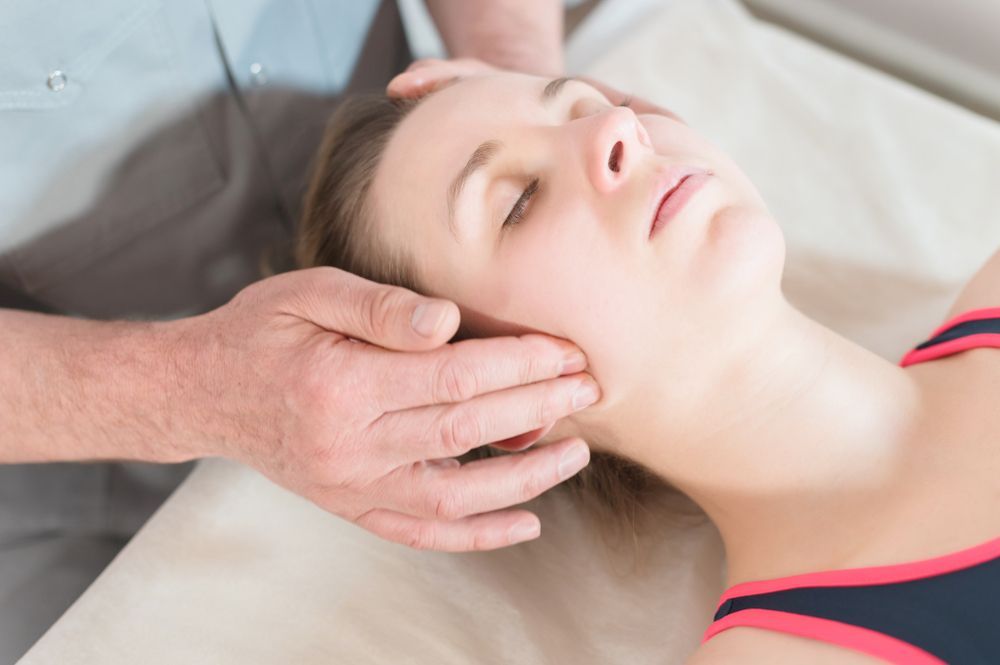
- Improving jaw function: Physical therapists are movement specialists and the TMJ is another joint we can positively affect. Hands-on methods, also known as manual therapy, can improve joint stiffness and relax dysfunctional muscles. There are a variety of gentle, active movements that can re-teach jaw musculature to work as intended. By improving the overall amount and symmetry of movement of the joint, the TMJ can return to normal use and pain can dissipate.
- Pain treatment: Chronic pain can be complex. Your therapist can help explain your condition, resolve musculoskeletal dysfunction, and desensitize the region if nerve sensitivity remains. Other treatments such as ultrasound, electrical stimulation, or dry needling may be implemented as well to facilitate the healing process.
If your doctor has recommended physical therapy for TMJ, that should be your first step in treatment. For many people, that’s the only treatment necessary. There are some situations where more advanced treatment is necessary. For example, dental procedures, splints, or surgery may require additional consultation with dentists or oral surgeons. Your therapist would be happy to coordinate treatments as appropriate.
How Rock Valley Physical Therapy Can Help You
TMJ physical therapy is one of the resources we can provide to you at Rock Valley Physical Therapy. We are committed to providing our patients with exceptional support and guidance in reducing their pain and improving their mobility. To learn more about how our physical therapists can help you, contact Rock Valley Physical Therapy today.