What is Hand Therapy & How Can it Help You

Share this Article:

Your hands make up a small portion of your body, but if they hurt or don’t move effectively, it can really make your life unpleasant. You need your hands every day for tasks like grasping, writing, eating, using your phone, and so much more.


It’s easy to underestimate how much having use of your hands benefits your life until they stop serving you well. If you’re suffering after an injury, disease, or chronic pain, hand therapy can help restore your hands so they function well again.


This article will discuss what hand therapy is, how it can help you, and how to know if you need hand therapy.

What Is Hand Therapy?

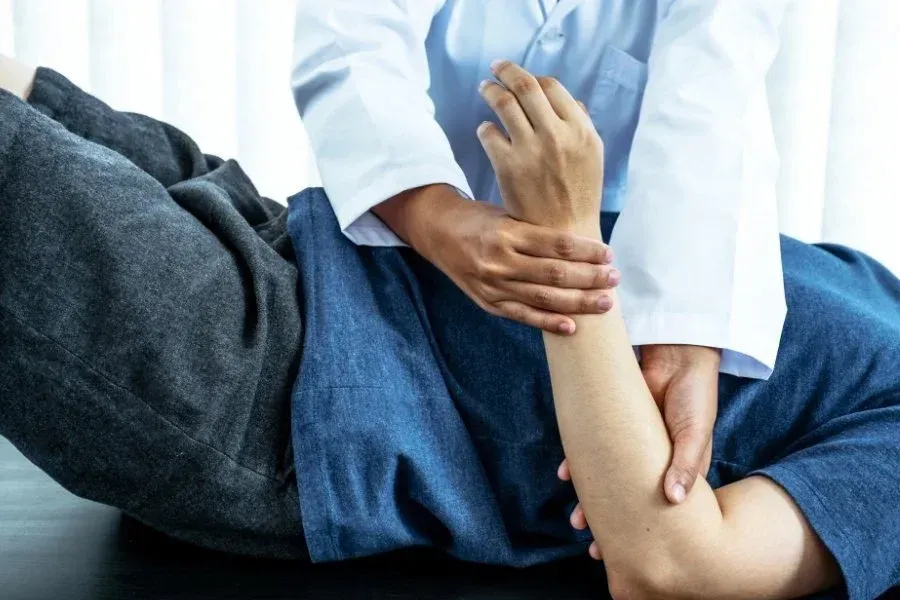
Hand therapy is an evidence-based, specialized treatment that focuses on personalized services for individuals with injuries and other conditions of the upper extremities. The term hand therapy can be misleading because, in addition to hands, it treats the upper extremities, which involve the bones, joints, muscles, nerves, and blood vessels of the:


  • Upper arm
  • Forearms
  • Shoulder
  • Elbow
  • Wrist


Hand therapists can be occupational or physical therapists who are highly trained to provide specialized care of your upper extremities. They have advanced certification to assess and treat conditions that affect them. Hand therapists use therapeutic interventions versus hand therapy interventions that allow you to regain maximum functional use of your upper extremities. 


Hand therapy restores you back to health with personalized treatments, including:

1. Preventative Care:

Nobody wants to put the work into recovery and then start back at square one if it can be prevented. Preventive care teaches you practical tools like protecting your joints and conserving energy to avoid re-injury or worsening symptoms. It includes therapies such as:


  • Patient education
  • Custom splinting
  • Strengthening and flexibility programs


In addition to preventing surgery, hand therapy is also used to help you heal after an operation.

2. Post-operative Care:

After surgery, you can enhance your recovery period and speed up the healing process through post-operative hand therapy, including:


  • Edema (swelling) control
  • Diagnosis-specific exercise programs
  • Protective splinting
  • Scar management
  • Wound care

3. Rehabilitation:

Hand therapy promotes healing through treatment modalities such as adaptive equipment and exercises.

Hand therapy rehabilitation restores mobility, flexibility, and strength. It is helpful for:


  • Diagnosis-specific recovery after an injury
  • Sensory re-education
  • Work conditioning
  • Pain management


Rehabilitation can also include customized splinting.

4. Customized Splinting:

A custom splint is designed to hold a body part in place after an injury or surgery. It is formed to fit you precisely to promote healing and prevent re-injury. Customized splinting may be utilized for:


  • Post-operative healing
  • Congenital or acquired deformity correction
  • Reducing contracture (tightening and rigidity of the hand and fingers)
  • Sports (or other) injuries

How does hand therapy look practically? Let’s use an example of recovering from surgery to remove a cyst from your wrist. Your hand therapist will use their training to assess your unique situation and develop a treatment plan specifically for you. Your treatment plan begins with education, so you always understand the thought process behind why any therapeutic tool is recommended to you.


Your treatment plan may also include reducing pain and inflammation using heat, ice, or ultrasound. To protect you from injury or overuse of your wrist, your hand therapist may recommend that you wear a supportive splint during the initial recovery phase.


Next, your therapist will help you work on improving your strength, flexibility, and range of motion through specific stretches and exercises. Finally, your hand therapist will adapt your treatment approaches accordingly as your wrist heals and pain subsides.


Now let’s talk about the types of conditions that might warrant hand therapy.


Which Conditions Can Hand Therapy Treat?

The specialized interventions we’ve discussed offer hope for recovery of a wide range of conditions related to upper extremities. Hand therapy can treat problems caused by a wide range of conditions, including (but not limited to):


  • Amputations
  • Arthritis
  • Bursitis
  • Carpal tunnel syndrome
  • Crush injuries
  • Cumulative trauma
  • Fractures and dislocations
  • Frozen shoulder
  • Golfer’s elbow
  • Nerve injuries
  • Pain syndromes
  • Replanted extremities
  • Sports injuries
  • Tendon injuries
  • Trigger finger


How To Know if You Need Hand Therapy

At this point, you may recognize yourself in some of what we’ve described so far. And you may be wondering how to know if you need hand therapy.


A good place to start is to ask yourself if problems with your hands, wrists, arms, or shoulders are causing you to miss out on the activities you enjoy? Are you unable to work as efficiently as you once could? If you can answer “Yes,” to either of these questions, hand therapy can help you.


You may also benefit from hand therapy if the movement of your upper extremities is restricted when you try to participate in daily tasks, exercise, sports, or recreational activities. Regardless of the underlying cause of your reduced ability to function at your highest level, hand therapy may help.


Make an Appointment at Rock Valley

Have you literally lost your grip? If so, start regaining your strength by reaching out to Rock Valley PT. We are a patient-centered, therapist-led organization dedicated to improving your health. You don’t need a physician referral, and we accept nearly every type of insurance.


Our entire team is empathetic and cares about you, your concerns, and staying abreast of the best ways to serve you.

Our therapists are not only skilled and experienced, but they are also passionate about helping you achieve your health goals — and they want you to have fun while you do it. The advanced training of our hand therapists equips them to provide you with the comprehensive care you need to feel better and function at your best.


You don’t have to continue on with having pain or limited function impacting your life and daily activities in life-altering ways. Instead, invest in yourself and get back to the lifestyle you want to live. We offer more than 50 locations throughout Iowa and Illinois. Contact Rock Valley for an appointment near you today.

Connect With Us:

More Tips, Insights & Recovery Advice

Man standing in front of Rock Valley Physical Therapy sign in a blue-walled office lobby.
By Kylie Williams June 10, 2026
“Max has been the best physical therapist I have had,’’ she said. “He sincerely listened to what I had to say and was knowledgeable when I asked him questions. He continually asked how the exercises and treatments were feeling. He knew the pain I was in because by surgery time, I could barely walk, sit, or sleep."
By ashley johnson June 4, 2026
We often think of physical therapy as something we only need after a sports injury or a surgery. While PTs are certainly experts in fixing knees and backs, their role in your health goes much deeper. In fact, one of the most important muscles a physical therapist can help you strengthen isn't in your leg or your arm, it’s your heart. Heart disease remains the leading cause of death globally. According to recent data from the American Heart Association, someone in the United States dies of heart disease every 34 seconds. The good news? A lot of cardiovascular disease is preventable through lifestyle changes, with regular movement being one of the most powerful medicines out there. The Challenge of Getting Started Current health guidelines recommend that ad ults get at least 150 minutes of moderate-intensity aerobic activity per week. H owever, for many, that goal feels out of reach. Maybe you want to start walking or cycling, but an old nagging injury flares up every time you try. Or it could be the fear of "doing too much" after a health scare that keeps you on the couch. This is where physical therapy becomes your heart's best friend! How a Physical Therapist Supports Your Heart A physical therapist is a movement specialist. They don't just look at a painful joint, they look at how your whole body moves and how your heart and lungs respond to that movement. Here is how they help you go from staying still to getting active: Before Activity: Before you start a new exercise routine, a PT can assess your balance, strength, and cardiovascular response. This makes sure you start at a level that is challenging enough to strengthen your heart but safe enough to avoid burnout or injury. Overcoming Pain: Many people stop exercising because of joint pain. A PT identifies the root cause of that pain, whether it’s a weakness in the hip causing knee pain or poor posture affecting your breathing, and provides a plan to fix it so you can keep your heart rate up without the aches. Recovery and Beyond: If you have experienced a major health event like a heart attack, stroke, or are undergoing cancer treatment, exercise is vital but can be intimidating. Research highlights that supervised exercise programs led by PTs significantly reduce fatigue and improve quality of life for people recovering from complex medical conditions. Managing Chronic Conditions: Physical therapy is increasingly used to help manage conditions that affect the heart indirectly, such as Type 2 diabetes and high blood pressure, by creating sustainable, low-impact movement plans. Movement is Medicine You don’t need to be a marathon runner to improve your heart health. Brisk walking, swimming, or even gardening can make a massive difference. The key is consistency and safety. If you’ve been hesitant to get moving, or if pain is standing in your way, consider a physical therapy evaluation. Your PT can help give your heart the support it needs to keep you moving for years to come.