

Heat vs. Ice Therapy for Muscle Strains, Sprains & Cramps

Share this Article:

When it comes to a sprained wrist, a pulled muscle in our backs, a twisted ankle, or raging bursitis, none of us have it figured out. You may have an ice pack or heating pad at home but are questioning if your pain requires heat therapy vs. ice therapy. Read on to hear our physical therapists’ advice for these types of injuries.


First and foremost, what kind of injuries can be aided towards recovery by using heat therapy or ice therapy?

Muscle Strains

Muscle strain, muscle pull, or even a muscle tear refers to damage to a muscle or its attaching tendons. You can put undue pressure on muscles during the course of normal daily activities, with sudden heavy lifting, during sports, or while performing work tasks.


Muscle damage can be in the form of tearing (part or all) of the muscle fibers and the tendons attached to the muscle. The tearing of the muscle can also damage small blood vessels, causing local bleeding, or bruising, and pain caused by irritation of the nerve endings in the area.


If you have incurred a strained muscle, you will experience a wide range of symptoms. These symptoms include pain, even while resting; pain when that particular muscle or the surrounding joints that work with that muscle are used; you may experience redness, bruising, or swelling; you may experience weakness in your tendons or muscles, or in the most extreme cases you may experience the inability to use the muscle.


Cramps

 “A muscle cramp is a sudden and involuntary contraction of one or more of your muscles…Most muscle cramps develop in the leg muscles, particularly in the calf. Besides the sudden, sharp pain, you might also feel or see a hard lump of muscle tissue beneath your skin.”


Sprains

Most of us are familiar with a sprain. “A sprain is a common sports injury that generally occurs in the wrists, knees, and ankles. Throughout the human body, tissues known as ligaments support joints by connecting bones to other bones. A sprain is the result of the tearing or stretching of one of these ligaments too far. Common sprain symptoms include swelling, pain, discomfort, and difficulty moving the affected joint or limb.”


When to See a Doctor

You should seek medical attention quickly if you cannot walk, you hear or feel a “popping” sound when the injury occurs, you experience a significant amount of pain or swelling around the injury, you incur a fever, or you sustained open abrasions, lacerations or cuts. For cramping, see a medical professional if they reoccur frequently, you do not see them improve with self-care, or you know they are not correlated to a known cause, such as strenuous exercise.


Heat Therapy vs. Ice Therapy For Injuries

Now that we have discussed the types of injuries we are seeking to treat, let us talk more about how you can best expedite your recovery.

When is Heat the Best Treatment?

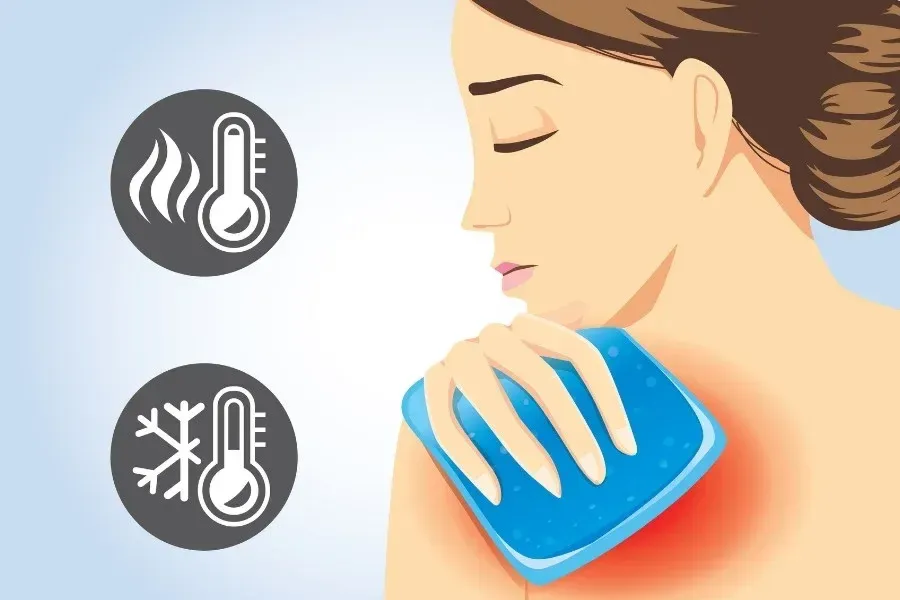
Most of us prefer to apply heat rather than cold solely because of the warmth, the soothing effect and it is just more comfortable. However, when you experience the strained muscle injuries we are discussing in this post, it is important to deny your natural instinct to place a heating pad or warm compress on your injury. When you apply heat to a strained muscle too early, it can actually increase the pain and swelling.

Types of Heat Therapy

There are several recommended types of heat therapy. Consider using a paraffin was treatment, applying a safe heating pad, rice pack, hot water bottle, or hot compress (washcloth) to the injured area. You may benefit from soaking the injury in a hot bath (aim for 92-100 degrees Fahrenheit or 33-37.7 degrees Celsius). Finally, consider medications like patches or rubs which contain capsicum (an herbal supplement).

When Not to Use Heat Therapy

Do not use heat therapy if you have an open wound or an existing skin condition like dermatitis. Do not use heat therapy if the injured area is numb, as this could lead to burns. Do not use heat therapy if the skin is already inflamed, red or hot to the touch. Finally, do not use heat therapy if you are unable to feel the heat due to an underlying medical condition like peripheral neuropathy.

When is Ice or a Cooling Pack the Best Treatment?

If you have experienced a muscle strain, sprain, or cramps, the swelling or pain can be reduced by the use of ice therapy. Ice or cold therapy can reduce inflammation by restricting blood flow for up to two days after your injury. Ice can also have a numbing effect which reduces pain.

Types of Ice Therapy (or Cold Therapy)

There are many ways to treat your injuries with cold therapies. You can use a cold compress, or an ice pack designed specifically for sports injuries. You can immerse yourself or the injury in a cold bath but avoid using freezing water. You can isolate the injury by massaging the area with a cube of ice.


Do not place ice therapies directly on your skin.

When Not to Use Ice Therapy

You should NOT use ice therapy if you are at risk of cramping, if the area is already numb, or if the skin is blistered or the wound is open. Do not use ice if you have a vascular disease or restricted flow of blood.

Take the Stress Out of Your Physical Therapy

When you find yourself asking, “hot or cold?” you can follow this basic guide for a strain, sprain, or muscle cramp. You already have a lot on your mind when you are injured, so the last thing you need is to be stressed about whether or not you need heat therapy vs ice therapy. 


At Rock Valley Physical Therapy, we want you to live life better. If you have questions about which therapy is best for your injury, request an appointment today.


We are here to help, and we are committed to helping you recover by making therapy fun and easy!

Connect With Us:

More Tips, Insights & Recovery Advice

Three people standing on a treadmill in a gym, with exercise equipment in the background.
By Kylie Williams • October 12, 2026
“I don’t know where I would be without Ashley (Schurr, PT, DPT, OCS, CSCS),’’ said Hendren, who used to regularly shoot his age in golf, has a hole-in-one to his credit, and also a perfect 300 game in bowling. “She has always been there to get me through whatever I am dealing with. It’s been a lot of years with Ashley

By ashley johnson • October 9, 2026
Most people assume physical therapy is something you only need after tearing a ligament, having joint replacement surgery, or waking up with a stiff neck. While PTs are great at those things, treating injuries is only half of what we do. Physical therapy is also one of the most effective, underused tools for preventative wellness. PT can help you move better, prevent chronic disease and help protect your health for decades to come. Exercise Is The Wonder Drug You Don’t Need a Prescription For We all know exercise is good for us. If physical activity were packaged into a single pill, it would be the most prescribed blockbuster medication on earth. The benefits of exercise are incredible: Improves your mood and mental clarity: Triggers natural endorphins and neurotransmitters that combat depression and chronic anxiety Protects against chronic illness: Drastically reduces your risk of cardiovascular disease, stroke, type 2 diabetes, and multiple types of cancer Improves immune function: Studies show regular moderate activity significantly lowers the risk of severe respiratory illness and hospitalization from viruses like COVID-19 Protects brain health: Staying physically active through midlife helps reduce the risk of cognitive decline and dementia Improves metabolic health and sleep: Helps regulate insulin sensitivity, blood pressure, and circadian rhythm But the CDC reports that fewer than a quarter of American adults meet the full federal benchmarks for aerobic and muscle-strengthening activity. Why is that? Because for many people, moving regularly hurts, feels overwhelming, or doesn't fit well into everyday life. That's where your physical therapist comes in. Physical Therapy Helps You For Life To stay active, you have to first be able to move comfortably and safely. Physical Therapists are doctoral-level experts in the human movement system. They'll evaluate your entire body to reduce pain, get you moving better, and help you find the best exercise routine for you. They can also work together with your broader healthcare team. Whether your physician has urged you to lower your blood pressure, manage cholesterol, or improve your HbA1c levels, your PT can design an exercise prescription to help with these goals safely, and without pain. Think of your physical therapist the same way you think of your primary care physician or dentist: someone you visit for regular check-ups, movement screenings, and prescription changes. As your body changes across different decades, or as your lifestyle shifts from training for 10Ks to keeping up with grandkids, your PT can help you stay pain-free, capable, and healthy. Aging is inevitable, but losing mobility, strength, and independence is not. You don't have to wait for pain to make an appointment with your PT. Whether you want to run your first 5K, get back in the gym safely, or maintain your mobility and independence, think of your physical therapist as your movement coach and lifelong partner.