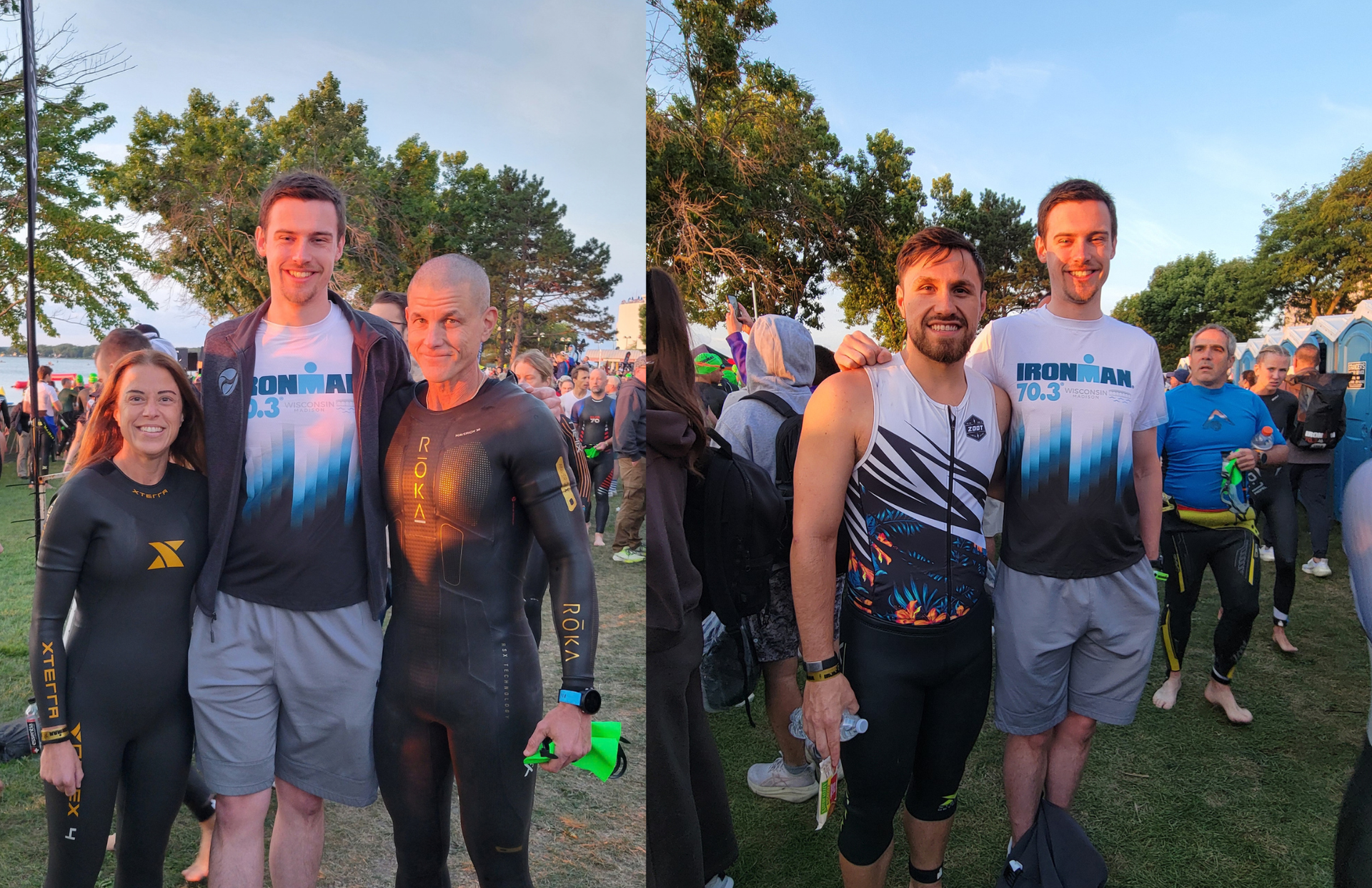
Ryan Samuelson, PT, DPT, is a gifted, knowledgeable, and compassionate therapist, who calls Rock Valley Physical Therapy’s Gretna, Neb. clinic home.
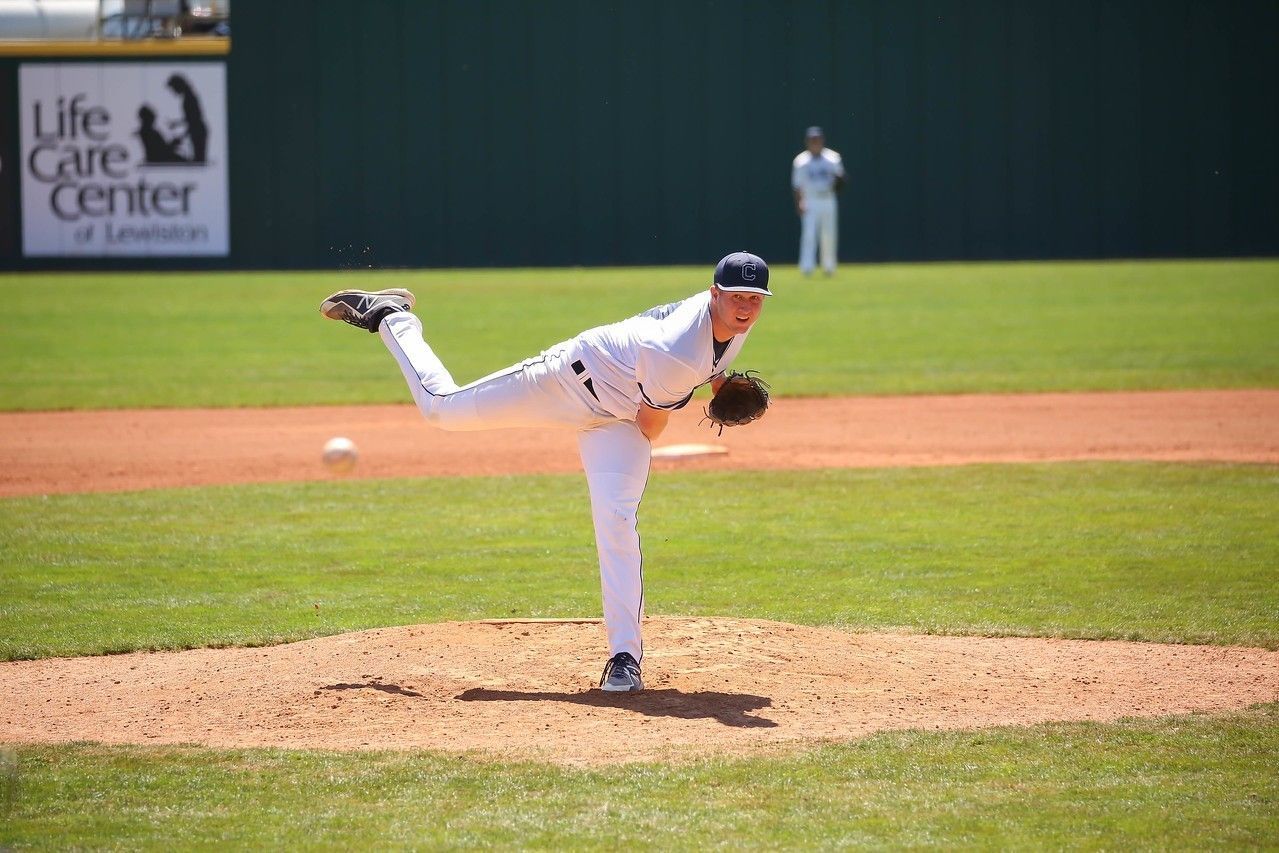
A Gretna native, Samuelson played basketball and baseball at Gretna High School before going on to play college baseball at NAIA powerhouse Concordia University (Nebraska), where he shined on the mound for the Bulldogs.
A 6-foot-8-inch reliever, Samuelson was the Bulldogs’ closer his junior and senior seasons after a solid freshman campaign and a sophomore season that netted a miniscule 0.36 earned-run average and a 4-0 record. He helped guide Concordia, a top GPAC club, to the NAIA World Series his senior season.
With Rock Valley, Samuelson, who earned his undergraduate degree in Exercise Science from Concordia and his Doctor of Physical Therapy from the University of Nebraska Medical Center, brings a bevy of arm care expertise and real-life experience – including Throwing Video Analysis – to his extensive Rock Valley Physical Therapy practice.
“I love Rock Valley,’’ Samuelson said. “I have learned and even heard from many others before coming to work here, that Rock Valley is about treating the person, is about high-ethics and not worried about pushing a patient through. It’s different than others and by that, I mean it’s a good different.’’
With most prep and college campaigns working toward tournament time and with youth baseball across the country in full swing, Samuelson has shared his expertise, covering what it takes to prepare to pitch, arm care, recommended pitch counts as well as pre-and-post-game workouts and recovery, covering youth to college-age pitchers.
Best practices for long-term health for pitchers of all ages:
- Consistency to the task at hand.
- A structured approach to training.
- A proper warm-up (reduces stress on the arm).
- Daily, light maintenance is important (doing a little bit every day is better than doing a lot sometimes).
- Understanding, there is a place for heavy workouts. Recovery and movement-focused days, feel-out days, and heavy throwing push days are important parts of managing stress on a pitcher's body.
- Listen to your body: Do not pitch through pain, especially in the elbow or shoulder. If there is an issue, find somebody with an advanced background when it comes to a therapist for arm issues (baseball specialist).
- Prioritize Mechanics: A good arm-care routine cannot compensate for poor pitching mechanics.
Warming up:
“Don't throw to warm-up, warm-up to throw,’’ Samuelson says. “One of the biggest shocks to me when transitioning into the college game was how long our warm-ups were to throw. They went from maybe five minutes of messing with bands (before college) to 20-to-30 minutes of intentional movements and drills.
“Focus on the deceleration and upward rotation of muscle groups like lats, traps, serratus anterior and rotator cuff,’’ Samuelson added. “For strengthening I like landmine press and pull-ups/ lat pulldowns, a basic row is also awesome. I also really like T's, Y's, and PNF D2 flexion motions (a resisted reverse throwing motion with a band). These can be for strengthening or warm-up depending on intent and how heavily they are loaded up.’’
Approach/Drills:
- Utilize one-to-two hip movements (90/90 hip switch is a good one).
- Warm up the whole body with a basic, athletic routine, using bands to get the back and shoulder burning a little bit.
- Do something to really activate the central nervous system.
- Keep movements dynamic and avoid long-held stretches.
- An all-out sprint.
- Heavy med ball slams/throws.
- (Best for younger kids) Something competitive and fast-paced that gets them moving. It doesn't need to be baseball related; it can be something as simple as a race or tag.
- Hurdle-unders (stepping under a track high hurdle) with and without rotation as well as hurdle- overs (stepping over a track high hurdle). Great for hip mobility and functionality.
Don’t forget the core/trunk:
“Power can't get from the legs to the arm without core strength,’’ Samuelson said. “This is where the power really comes from,’’ Samuelson said of the body’s trunk. “Mobility here allows for proper transition of the force through the chain leading to reduced injury risk and harder throwing.’’
Drills:
- Landmine rotations.
- Lumber jack chops.
- Paloff presses for rotation and anti-rotation work.
- T-spine mobility (important for hip and shoulder separation and to build more whip into the throw. Critical for the transfer of power from lower half to arm
Playing catch/throwing Drills:
In-game pitch counts:
“I would recommend keeping the count under 80, if possible, for all ages,’’ Samuelson said. “Obviously, that's not practical as a starting pitcher (at an advanced level) will often blow through this but, for longevity, this has shown to be the best for non-professional and youth players. Pitch- count recommendations also depend on age and rest time.’’
Maximum pitches in a day:
- Ages 7-8: 50.
- Ages 9-10: 75.
- Ages 11-12: 85.
- Ages 13-16: 95.
- Ages 17-22: 105.
Post-game routine:
Drills:
- Focus on rebuilding the base.
- Longer hold stretches (Pigeon pose is great for the hips)
- Open-book stretches (for the T-spine anything else for the hips and back).
- Slower paced and more control focus bands to get a bit of blood flow to the arm (for a cool down).
- Little, if any, throwing.
- Light throwing or motion on rest days to aid blood flow.
Rest:
- Generally, there are no back-to-back days throwing.
- One day’s rest – 20-30.
- Two-day's rest – 40-50
- Three days’ rest – 50-60.
- Four days’ rest: Return to regular routine.
“If these max numbers are hit, the pitcher needs to take at least four, ideally five, days off,’’ Samuelson said. “One thing that needs to be kept in mind and is often overlooked is building the endurance of arms during the season. Injuries often come from not having an effective on ramping of volume. I wouldn't advise approaching these numbers with your pitchers until late in the season.’’
By: Johnny Marx, Rock Valley Storyteller