

Pelvic Floor Therapy: What to Expect

Share this Article:

Pelvic discomfort and dysfunction may often seem unexplainable and is often extremely discouraging! Many men and women experience inexplicable reproductive and/or bowel/bladder dysfunction. In many cases, the symptoms that stem from pelvic floor muscle dysfunction can be addressed with pelvic floor therapy, performed by a specialist.


Below, we seek to answer the most pressing questions surrounding pelvic floor therapy, including what the pelvic floor is and what techniques are often involved in pelvic floor therapy.

What is the Pelvic Floor?

Understanding pelvic floor therapy begins with comprehending the specific, physical area that can be the cause of severe physical discomfort and, at times, significant impairment to daily functioning.


The pelvic floor is a group of muscles that attaches to the pelvis, tailbone, and sacrum. These muscles do the incredibly important work of supporting the abdominal contents, including the reproductive organs, urinary tract, and bowel, to help control bladder and bowel functions. Therefore, the pelvic floor supports the bladder, uterus (or prostate), rectum, and also wraps the urethra, vagina (females), and rectum.


As one may imagine, when these muscles function improperly, sometimes being too weak or even sometimes being too tight, symptoms often occur and can result in discomfort, weakness, and dysfunction – which may then interfere with daily activities.


Gaining more public awareness over the last several years, pelvic floor physical therapy is an effective, conservative, and lasting intervention for people living with these issues.

What is Pelvic Floor Therapy?

Pelvic floor therapy is designed to treat the impaired function, discomfort and pain stemming from pelvic floor muscle dysfunction. Depending on each patient’s specific symptoms, differing treatment techniques will be prescribed.


What Issues Can Be Helped with Pelvic Floor Therapy?

Pelvic floor dysfunction can trigger a wide range of symptoms, including but not limited to:

  • Urinary issues:
  • Urinary frequency
  • Urinary leakage
  • Urinary urgency
  • Painful urination
  • Difficulty stopping, starting, or completing urination
  • Urinary incontinence
  • Bowel issues:
  • Fecal incontinence
  • Painful experiences during a bowel movement
  • Bowel leakage
  • Bowel urgency
  • Bowel frequency
  • Constipation
  • Difficulty stopping, starting, or completing a bowel movement
  • Unexplainable pain:
  • Rectal pain
  • Pelvic pain
  • Genital pain
  • Painful intercourse
  • Osteoporosis
  • Prolapse/rectocele/cystocele
  • Prenatal pain or weakness
  • Blocked milk ducts during lactation
  • Coccydynia
  • Pubic symphysis pain
  • Interstitial cystitis (IC)

If you have experienced any of the aforementioned issues, pelvic floor therapy may be the best choice for your treatment.

Who Can Implement Pelvic Floor Physical Therapy?

As with any form of treatment, it is best to work with a specialist. At Rock Valley, physical therapists working in pelvic floor therapy have and continue to receive ongoing specialist training and participate in consistent peer to peer review to bring you the latest and most comprehensive care approach available. Each of these providers are equipped to provide the techniques and care required to help you find success and meet your specific needs.


What Can You Expect from Pelvic Floor Therapy?

Depending on your specific symptoms, the techniques used will differ. We explore a description below to offer a glimpse into what you can expect from therapy.


First Appointment

Your first appointment will involve an interview allowing you and your provider to discuss your past history, current concerns and problem areas, and create dialogue that will lay the foundation for your care. During an initial visit, your therapist will also perform an assessment of your pelvic dysfunction. The assessment may include functional activities of issue such as standing, walking, and sitting, allowing the therapist to evaluate external and internal muscles. You and your provider may also decide an internal pelvic floor muscle exam is warranted to gather valuable information to focus your care. From this initial evaluation, you and your therapist will determine the best course of action.


If your therapist decides that outer problems, such as posture or joint issues, are negatively affecting your pelvic floor, differing treatment from the list below may be prescribed.


Physical Therapy Techniques

Many pelvic floor therapy techniques are hands-on, both external and internal. The internal exam provides useful information; however, it is not always necessary. Your specialist will make recommendations, listen to your needs, and you will make a plan together.


External techniques may include nerve release, joint mobilization, skin rolling, deep tissue massage, trigger point therapy, or dry needling. Strengthening exercises, coordination of muscle usage, or stretching exercises can focus in on your specific areas to work on. You will be educated in the “why” of the exercises and likely be given prescribed for specifically for you to complete at home.


Rock Valley Physical Therapy

At Rock Valley Physical Therapy, our team of specialists is determined to return patients to normal daily functioning, making it possible for them to complete the activities they love. Our Pelvic Floor Physical Therapy specialists have enhanced their education to specialize in the pelvic floor and its many, many intricacies. We help individuals who often feel misunderstood among complexity of the problems they are encountering. To inquire about our pelvic floor therapy, please do not hesitate to reach out via our online contact form today!

Connect With Us:

More Tips, Insights & Recovery Advice

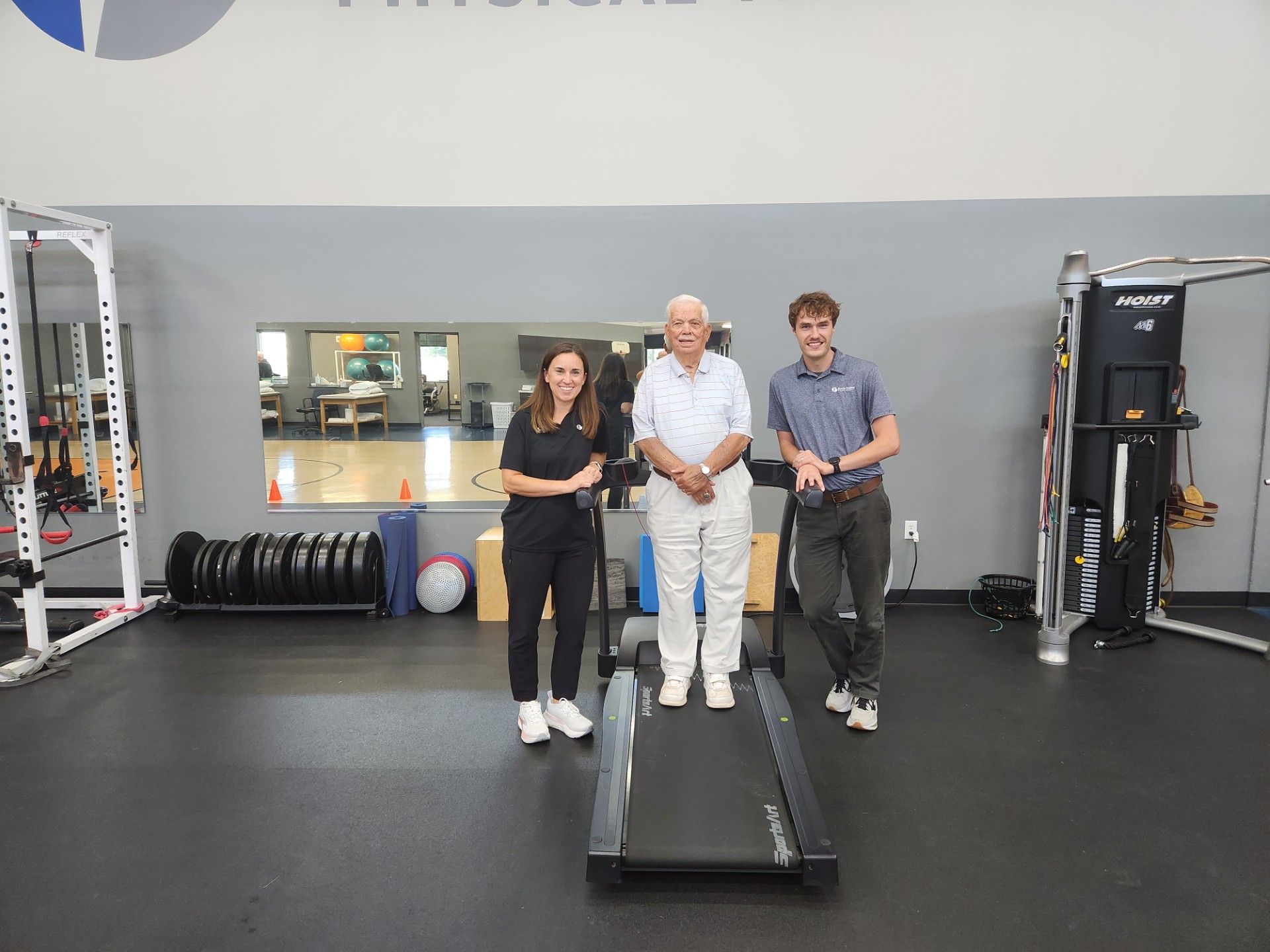
Three people standing on a treadmill in a gym, with exercise equipment in the background.
By Kylie Williams • October 12, 2026
“I don’t know where I would be without Ashley (Schurr, PT, DPT, OCS, CSCS),’’ said Hendren, who used to regularly shoot his age in golf, has a hole-in-one to his credit, and also a perfect 300 game in bowling. “She has always been there to get me through whatever I am dealing with. It’s been a lot of years with Ashley

By ashley johnson • October 9, 2026
Most people assume physical therapy is something you only need after tearing a ligament, having joint replacement surgery, or waking up with a stiff neck. While PTs are great at those things, treating injuries is only half of what we do. Physical therapy is also one of the most effective, underused tools for preventative wellness. PT can help you move better, prevent chronic disease and help protect your health for decades to come. Exercise Is The Wonder Drug You Don’t Need a Prescription For We all know exercise is good for us. If physical activity were packaged into a single pill, it would be the most prescribed blockbuster medication on earth. The benefits of exercise are incredible: Improves your mood and mental clarity: Triggers natural endorphins and neurotransmitters that combat depression and chronic anxiety Protects against chronic illness: Drastically reduces your risk of cardiovascular disease, stroke, type 2 diabetes, and multiple types of cancer Improves immune function: Studies show regular moderate activity significantly lowers the risk of severe respiratory illness and hospitalization from viruses like COVID-19 Protects brain health: Staying physically active through midlife helps reduce the risk of cognitive decline and dementia Improves metabolic health and sleep: Helps regulate insulin sensitivity, blood pressure, and circadian rhythm But the CDC reports that fewer than a quarter of American adults meet the full federal benchmarks for aerobic and muscle-strengthening activity. Why is that? Because for many people, moving regularly hurts, feels overwhelming, or doesn't fit well into everyday life. That's where your physical therapist comes in. Physical Therapy Helps You For Life To stay active, you have to first be able to move comfortably and safely. Physical Therapists are doctoral-level experts in the human movement system. They'll evaluate your entire body to reduce pain, get you moving better, and help you find the best exercise routine for you. They can also work together with your broader healthcare team. Whether your physician has urged you to lower your blood pressure, manage cholesterol, or improve your HbA1c levels, your PT can design an exercise prescription to help with these goals safely, and without pain. Think of your physical therapist the same way you think of your primary care physician or dentist: someone you visit for regular check-ups, movement screenings, and prescription changes. As your body changes across different decades, or as your lifestyle shifts from training for 10Ks to keeping up with grandkids, your PT can help you stay pain-free, capable, and healthy. Aging is inevitable, but losing mobility, strength, and independence is not. You don't have to wait for pain to make an appointment with your PT. Whether you want to run your first 5K, get back in the gym safely, or maintain your mobility and independence, think of your physical therapist as your movement coach and lifelong partner.