



What to Expect at Physical Therapy for Lower Back Pain

Share this Article:

At physical therapy for lower back pain, you can expect a thorough evaluation of how you move, followed by a personalized plan that combines targeted exercises, hands-on treatment and simple changes you can make at home. The goal is to ease your pain, restore movement and help keep it from coming back.


If your back is bothering you, you're far from alone. Low back pain is the leading cause of disability worldwide, and physical therapy (also called physiotherapy) for lower back problems is a drug-free treatment recommended by clinical guidelines. Here's what to expect, starting with what causes the pain.


Common Causes of Lower Back Pain

The most common cause of lower back pain is a torn or pulled muscle or ligament. Types of lower back pain include acute, subacute, chronic, and neuropathic, and each of them can cause significant or debilitating pain.


  1. Acute: Acute pain is pain that lasts six weeks or less. Acute pain is often caused by a sudden injury such as an accident, fall, or heavy lifting resulting in a disruption in the way the spine, muscle, discs, and nerves work together. Most acute lower back pain is caused by injury to the muscles, ligaments, joints, or discs.
  2. Subacute: Subacute pain is pain that lasts between six weeks and three months. It is a category of acute pain.
  3. Chronic: Chronic pain in the low back lasts more than three months. 90% of the time, people can’t pinpoint the cause, but the pain source can be from problems such as degenerative disc disease, herniated disc, spinal stenosis, osteoarthritis, and scoliosis. 
  4. Neuropathic: Neuropathic pain in the lower back is usually chronic. Patients experience neuropathic pain as a sharp, electric-like, stabbing pain often accompanied by numbness, tingling, or weakness down the legs to the feet.
  5. Sciatica – This nerve can suffer inflammation due to pressure, trauma, or poor posture over time. This creates a shooting, intense pain. You may feel like the pain is suddenly intense and unexpected. See how physical therapy can help with sciatica. 

Symptoms of Lower Back Problems

Describing your symptoms helps pinpoint the source of the problem and develop an effective treatment plan to alleviate pain. The following symptoms are characteristic of lower back problems:


  • Dull, aching pain
  • Sharp pain that travels down the leg
  • Pain that increases with sitting
  • Pain that improves when you shift position
  • Pain that is worse in the morning and improves after moving around
  • Tingling or numbness in leg or foot
  • Weakness in leg or foot


If you experience lower back pain together with loss of bladder or bowel control, numbness in the groin, unintended weight loss, fever, chills, or severe abdominal pain, seek immediate medical attention.

Types of Physical Therapy for Lower Back Pain

1. Active Physical Therapy:

Active physical therapy consists of exercises to strengthen muscle groups that support your lower back and core. Stretching is incorporated to help keep you flexible. Another pain-reducing active treatment is soft tissue work and joint mobilization/ manipulation provided by manual therapy. 

2. Passive Physical Therapy:

Passive physical therapy is used in conjunction with active physical therapy for pain modulation. Passive physical therapy can include treatments such as cold and heat packs to reduce inflammation and dry-needling trigger points.

What Happens During Physical Therapy for Lower Back Pain

Physical therapists are highly trained healthcare professionals that use physical therapy treatment modalities to strengthen core muscle groups that support the lower back. When you visit us for physical therapy to address lower back pain, you can anticipate a personalized and effective approach. Our sessions prioritize one-on-one time with our highly trained therapists. 


The goals of your therapy include:


  • Pain Management:
  • Techniques such as hot or cold packs, TENS therapy, and spinal manipulation.
  • Functional Improvement:
  • Targeted exercises to strengthen core muscle groups supporting the lower back.
  • Long-Term Back Health:
  • Education on posture, body mechanics, and home exercises for sustained well-being.


During your initial appointment, expect a thorough assessment where we understand your pain, evaluate your mobility, and develop a tailored treatment plan. Wearing loose-fitting, comfortable clothing allows for easy movement during this process.


Your therapy may involve a variety of modalities such as massage, ultrasound, and specific exercises. The emphasis is not just on immediate relief but on equipping you with the tools and knowledge for lasting back health.


How Long Does Physical Therapy Take to Work for Back Pain?

The duration of your physical therapy journey is uniquely tailored to your specific needs and progress. Typically spanning six to eight weeks, the number of sessions is individualized, focusing on achieving your defined therapy goals. Progress is continually assessed, and adjustments are made if needed.


In some cases, patients experience rapid improvement within a few sessions, with a focus on equipping them with exercises for continued self-management. On the contrary, if back pain persists or worsens, a more extended period of physical therapy might be recommended, especially in cases where surgical intervention is considered.


When to Seek Physical Therapy

If persistent lower back pain is affecting your daily routine, it may be time to consider physical therapy. Look out for signs such as prolonged discomfort, difficulty with regular activities, or pain that interferes with your quality of life. Physical therapists specialize in identifying and addressing these issues, providing targeted solutions for lasting relief.


Receive Lower Back Pain Relief at Rock Valley Physical Therapy

At Rock Valley Physical Therapy, we are committed to helping you live a productive life without pain. Contact us today by requesting an appointment and get started on your journey to wellness.

Connect With Us:

More Tips, Insights & Recovery Advice

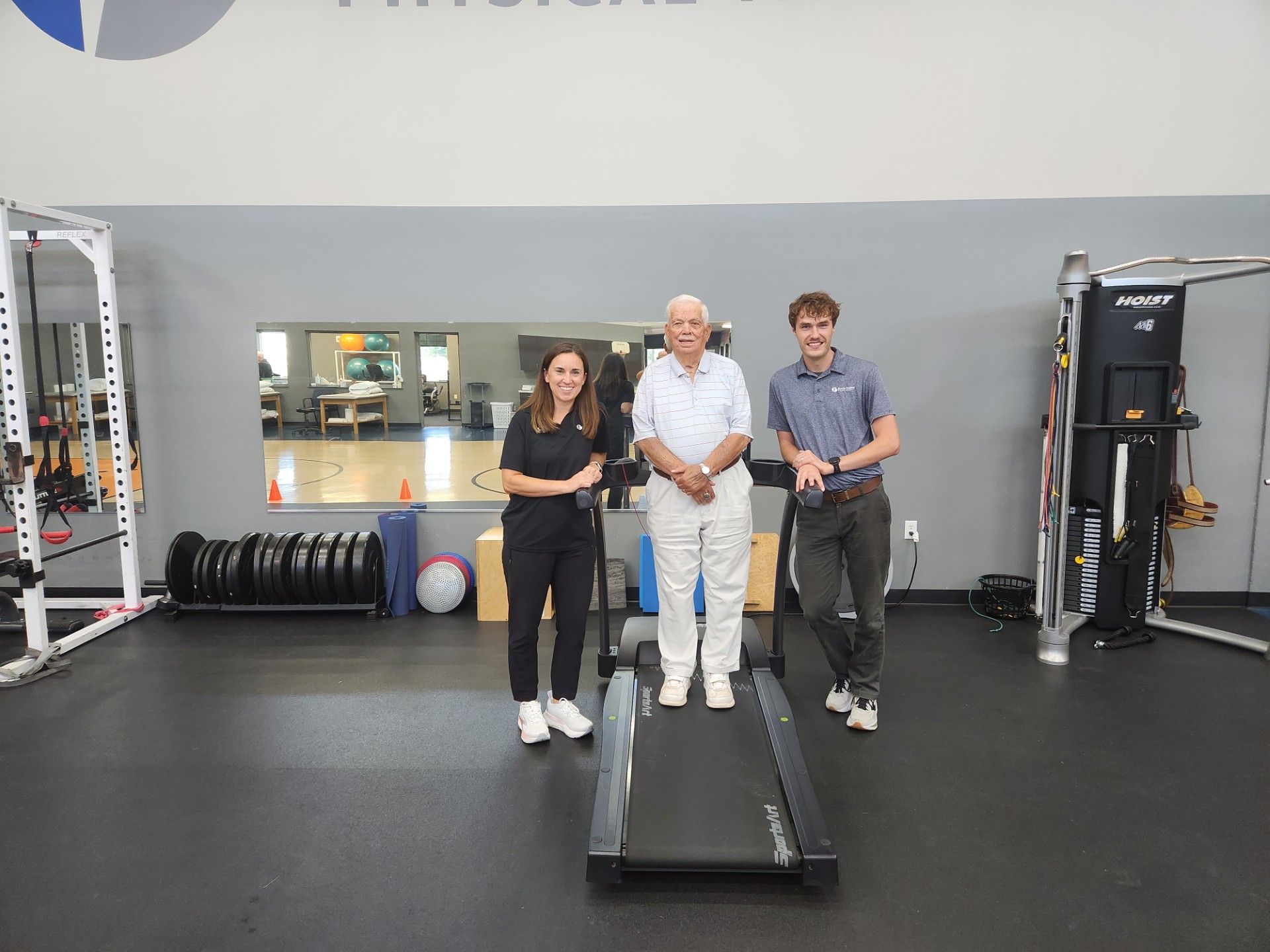
Three people standing on a treadmill in a gym, with exercise equipment in the background.
By Kylie Williams • October 12, 2026
“I don’t know where I would be without Ashley (Schurr, PT, DPT, OCS, CSCS),’’ said Hendren, who used to regularly shoot his age in golf, has a hole-in-one to his credit, and also a perfect 300 game in bowling. “She has always been there to get me through whatever I am dealing with. It’s been a lot of years with Ashley

By ashley johnson • October 9, 2026
Most people assume physical therapy is something you only need after tearing a ligament, having joint replacement surgery, or waking up with a stiff neck. While PTs are great at those things, treating injuries is only half of what we do. Physical therapy is also one of the most effective, underused tools for preventative wellness. PT can help you move better, prevent chronic disease and help protect your health for decades to come. Exercise Is The Wonder Drug You Don’t Need a Prescription For We all know exercise is good for us. If physical activity were packaged into a single pill, it would be the most prescribed blockbuster medication on earth. The benefits of exercise are incredible: Improves your mood and mental clarity: Triggers natural endorphins and neurotransmitters that combat depression and chronic anxiety Protects against chronic illness: Drastically reduces your risk of cardiovascular disease, stroke, type 2 diabetes, and multiple types of cancer Improves immune function: Studies show regular moderate activity significantly lowers the risk of severe respiratory illness and hospitalization from viruses like COVID-19 Protects brain health: Staying physically active through midlife helps reduce the risk of cognitive decline and dementia Improves metabolic health and sleep: Helps regulate insulin sensitivity, blood pressure, and circadian rhythm But the CDC reports that fewer than a quarter of American adults meet the full federal benchmarks for aerobic and muscle-strengthening activity. Why is that? Because for many people, moving regularly hurts, feels overwhelming, or doesn't fit well into everyday life. That's where your physical therapist comes in. Physical Therapy Helps You For Life To stay active, you have to first be able to move comfortably and safely. Physical Therapists are doctoral-level experts in the human movement system. They'll evaluate your entire body to reduce pain, get you moving better, and help you find the best exercise routine for you. They can also work together with your broader healthcare team. Whether your physician has urged you to lower your blood pressure, manage cholesterol, or improve your HbA1c levels, your PT can design an exercise prescription to help with these goals safely, and without pain. Think of your physical therapist the same way you think of your primary care physician or dentist: someone you visit for regular check-ups, movement screenings, and prescription changes. As your body changes across different decades, or as your lifestyle shifts from training for 10Ks to keeping up with grandkids, your PT can help you stay pain-free, capable, and healthy. Aging is inevitable, but losing mobility, strength, and independence is not. You don't have to wait for pain to make an appointment with your PT. Whether you want to run your first 5K, get back in the gym safely, or maintain your mobility and independence, think of your physical therapist as your movement coach and lifelong partner.