
Why Do My Knees Crack When I Squat?

Share this Article:

If your knees crack when you squat, it is not always a sign that something is wrong.


Many people notice popping, cracking, clicking, or snapping sounds in their knees during exercise and everyday movements. In many cases, these noises are caused by normal changes in pressure inside the joint, tendons moving across nearby structures, or natural movement within the knee itself.


The sound alone is usually not a cause for concern. However, knee noises accompanied by
pain, swelling, instability, or difficulty moving should not be ignored. Those symptoms may point to an underlying issue that deserves attention.


Understanding what causes knee cracking can help you determine when it is a normal part of movement and when it may be time to seek professional guidance.

What's Actually Happening Inside Your Knee?

The knee is a complex joint made up of bones, cartilage, ligaments, tendons, and fluid that work together to support movement. Every time you squat, these structures shift and glide to allow your knee to bend and straighten smoothly.


As the joint moves, small gas bubbles within the joint fluid can form and release, creating a popping or cracking sound. Tendons may also move across nearby tissues, producing a clicking sensation. In some cases, the kneecap changes position slightly as the knee bends, which can contribute to the noises you hear.


These sounds can seem alarming, but they do not automatically mean that damage has occurred. The context matters. A painless crack during a squat is very different from a crack that occurs alongside pain, swelling, or a feeling that the knee is giving way.


Because several structures move together during a squat, knee noises can occur without indicating an
injury or structural problem.

What Causes Knee Popping and Cracking?

Several factors can contribute to knee popping and cracking during squats.


One common cause is the release of gas bubbles within the fluid that lubricates the joint. Changes in pressure can create a popping sound similar to cracking your knuckles.


Tendons and ligaments can also produce noise as they move across nearby bones or tissues. This is a normal part of movement for many people and may become more noticeable during deeper squats.


In some cases, the kneecap may not move as smoothly as it should through its groove. Muscle imbalances, limited mobility, or movement patterns that place extra stress on the knee can contribute to clicking, popping, or discomfort during exercise.


Age-related changes in the joint can play a role as well. Over time, cartilage may become less smooth, which can create grinding or crackling sensations during movement.


While many of these causes are harmless, persistent pain, swelling, or changes in knee function should be evaluated to rule out an underlying injury or condition.

When Is Knee Cracking Considered Normal?

Knee cracking is generally less concerning when the sounds are consistent and do not affect how your knee functions.


For example, you may notice the same click or pop each time you squat, kneel, climb stairs, or stand up from a seated position. Some people have experienced these sounds for years without any change in their ability to exercise, work, or stay active.


Joint noises can also become more noticeable after long periods of sitting, during a workout, or when increasing the depth of a squat. These changes are commonly related to movement and joint mechanics rather than injury.


Pay attention to the overall performance of your knee. If you can move through your normal activities comfortably and confidently, the sounds themselves are usually less important than many people assume.

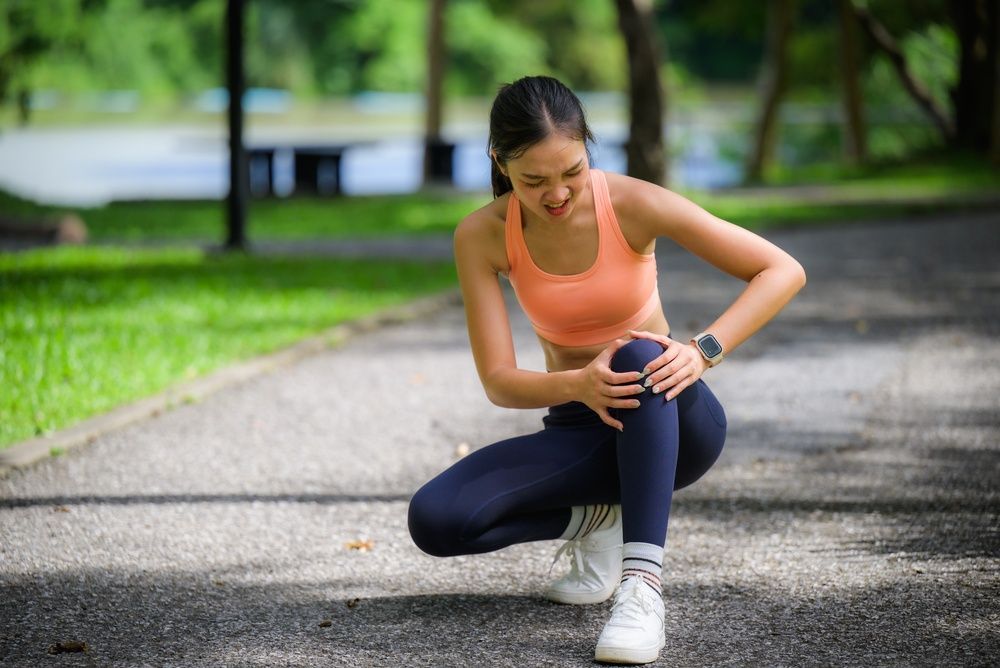
Woman kneeling on a park path, holding her knee after a run.

Signs Your Knee Noise Needs Attention

The sound itself is not always the most important detail. Changes in how your knee feels or performs tend to provide more useful information.


For example, you may notice that squatting has become more difficult than it used to be. Some people start avoiding certain movements because their knee feels unreliable, uncomfortable, or less capable during exercise.


A recent increase in knee noise can also be worth noting, especially if it appears after an injury or coincides with changes in strength, mobility, or activity levels.


It may be time to seek professional guidance if your symptoms are limiting workouts, interfering with daily activities, or preventing you from moving with confidence. A physical therapist can evaluate the knee, identify contributing factors, and help determine the best path forward.

How Physical Therapy Can Help Your Knees

If knee cracking is accompanied by discomfort, limited mobility, or difficulty during activities, physical therapy can help identify the factors contributing to the problem.


A physical therapist will evaluate how your knee moves during squats and other functional movements. They may assess strength, flexibility, balance, and movement patterns to identify areas that could be placing extra stress on the joint.


Treatment is based on your individual needs and may include targeted exercises, mobility work, and movement training designed to improve knee function and reduce discomfort. In some cases, addressing limitations in the hips, ankles, or surrounding muscles can make a significant difference in how the knee feels during activity.


Rather than focusing only on symptoms, physical therapy aims to address the underlying causes of movement-related issues and help you return to exercise and daily activities with greater confidence.

Ways to Squat With Less Knee Discomfort

When squats cause discomfort, focus on quality of movement and avoid pushing through symptoms. Reducing squat depth, adjusting your stance, or temporarily decreasing resistance may help make the exercise more comfortable.


It can also be helpful to address mobility restrictions and build strength throughout the lower body. Small adjustments in movement mechanics can reduce stress on the knee and improve confidence during exercise.


Persistent discomfort during squats may indicate an underlying movement issue. A physical therapist can assess movement patterns, identify potential limitations, and recommend strategies to improve knee function.


At Rock Valley Physical Therapy, our team works with patients to understand what may be contributing to their symptoms and develop individualized treatment plans. When
knee pain, persistent popping, or changes in knee function begin affecting workouts or daily activities, a physical therapy evaluation can help identify the source of the problem and provide recommendations tailored to your needs.

Connect With Us:

More Tips, Insights & Recovery Advice

Four people posing on a baseball field, with grass, dirt infield, and stadium signs behind them.
By Kylie Williams July 15, 2026
Rock Valley Physical has again been selected to provide sports medicine coverage for the 2026 IAHSAA Class 3A and Class 4A boys state baseball finals. The tournaments, set for Monday-Friday, July 20-24, will be held at the 5,300-seat Veterans Memorial Stadium, at Cedar Rapids, Iowa, the home of the Class A Midwest League’s Cedar Rapids Kernels, the High A affiliate of the Minnesota Twins. Rock Valley’s Jason Viel, Director of Athletic Training Services, MS, LAT, ATC (Pleasant Valley High School); Blake Anderson, LAT, ATC (Rockridge (Il.) High School); Tyler Beauchamp, LAT, ATC, PTA, FMT (Davenport Central High School); and Jess Rummery MS, LAT, ATC (Bettendorf High School) will be on site to cover quarterfinal, semi-final and final-round action of the tournament. “This is such a great opportunity for Rock Valley to be the premier sports medicine providers for the 3A/4A 2026 IAHSAA State Baseball Tournament,’’ said Rock Valley Physical Therapy’s Misti Thompson, LAT, ATC (Xavier High School, Cedar Rapids). “We were able to cover this event in 2024 and are excited for the opportunity to return and offer our services. With Rock Valley expanding across Iowa and even to neighboring states this allows us to amplify our mission of Making Better Lives while still being to impact traveling teams since we likely have clinics in most of the areas that teams are traveling from allowing continuity of care if needed through our direct access.’’ By: Johnny Marx, Rock Valley Storyteller
By ashley johnson July 10, 2026
Prevent Injuries, Fuel, Hydrate, Recover: Are you a cross country runner looking to have your best season yet? Are you curious what the best ways are to improve your performance? Whether you’re chasing a PR or building a strong foundation, this event would be great for you! Join Rock Valley Physical Therapy and Fleet Feet for an event open to all ages and sports about the importance of proper fueling, hydration, sleep, and recovery. We will also be covering the specific exercises that every runner should be doing to prevent injuries and help you run stronger! At the end of the event, we will be offering FREE screens, a running gait analysis, and Fleet Feet will also be present for FREE foot scans!