



Can Physical Therapy Help Sciatica?

Share this Article:

Sciatica brings with it debilitating pain, often that impacts your day-to-day life. Often, it comes out of nowhere, causing an instant shooting pain down your leg or creating tension in your hip or buttocks. It doesn’t have to stop you from life. There are various strategies that can help, including physical therapy. How can physical therapy help sciatica? Read on to learn more. 

What Is Sciatica?

Your sciatic nerve begins at your lower back and runs into your hips before branching out to continue moving through each of your legs. This nerve can suffer inflammation due to pressure, trauma, or poor posture over time. This creates a shooting, intense pain. You may feel like the pain is suddenly intense and unexpected.


What Causes Sciatica?

Sciatica occurs for various reasons but is the direct result of the sciatic nerve suffering some type of compression or pinching at one location or, in more complex cases, several areas. This may happen for various reasons, including:


  • Herniated or bulging discs
  • Bone spurs that develop on the lumbar portion of the spine
  • Stress on the spine related to obesity, especially heavy mid-section weight
  • Tumor development
  • Damage to the sciatic nerve from diabetes
  • Stress on the nerve brought on by twisting, carrying, standing for long periods, or other specific stress on the spine
  • A sedentary lifestyle 


What Are Symptoms of Sciatica?

The most common symptoms of sciatica include pain that typically is only just one side of the body along the path of the sciatic nerve. This could include pain at the:


  • Low back
  • Buttock
  • Calf
  • Back of the thigh


The pain can range from mild to sharp and may seem to be a burning sensation or a jolt-like feeling.

Can Physical Therapy Help Treat Sciatica?

Yes! Physical therapy can provide an excellent way to improve sciatica symptoms, reducing pain and helping to restore day-to-day function. Sciatica is not always improved by resting. Rather, in most cases you need to stretch and then strengthen the muscles, joints, and the nerve itself in the area. Additional treatment can also help.


Exercises Done in Therapy

Working one-on-one with a physical therapist will allow them to provide you with specific exercises that may benefit your sciatic pain. The following are some commonly recommended exercises and stretches for lower back pain you may use.

Assisted Range of Motion Exercises

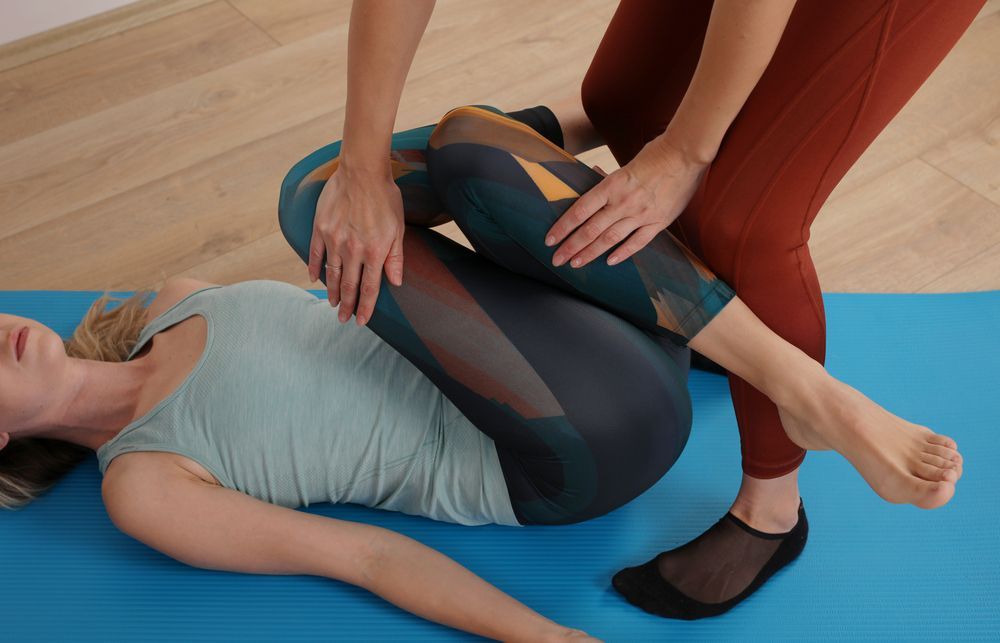
In this particular exercise, you will work with a therapist to move your hips and legs. The benefit here is that the therapist helps to ensure your joint is moving properly, helping to reduce pain in those impacted muscles.


Your therapist will recommend specific strategies based on your needs. This can provide significant relief by re-training your joints to work properly.


Spinal Flexion and Extension Exercises

Perhaps the most common type of exercise beneficial for sciatica is this one, as it helps reduce pain by helping your spine move properly. This method involves both forward and backward bending.


Strengthening Exercises

Both isometric and isotonic exercises can be beneficial in helping improve sciatic pain. These exercises include using your body’s weight and some resistance to support strengthening muscles.


Isometric exercises include planking or creating a bridge hold that forces the muscles in your glutes to contract. Isotonic exercises include the use of lightweight training and resistance bands. With careful, not extraneous, exercise, it’s possible to significantly improve overall function and reduce pain.


Aquatic Therapy

Getting in the water is an effective type of therapy for sciatic pain. It reduces pain, improves mobility, and avoids strain on the joints. Aquatic therapy enables the strengthening of the joint, reduces muscle tension, and improves inflammation.


Manual Therapy Treatment

Developing manual therapy treatment options can also support sciatic pain relief. Manual therapy is best completed by a third party, including your physical therapist.


Dry Needling

One of the best treatments for sciatic pain is the use of dry needling. Though dry needling is different from acupuncture, both methods aim to support the improvement of inflammation and support muscle and tissue recovery and healing.

Deep Tissue Massages

Having a deep tissue massage can help to encourage healing in the area. This aids in reducing inflammation and allows for muscle pain to improve. It can help to encourage better movement. When done professionally, a deep tissue massage specifically targeting the muscles surrounding the sciatic nerve can offer significant pain reduction.


Nerve Mobilization

Nerve mobilization, sometimes called nerve glides, is a type of method for placing the impacted nerve in a flexed position and then reducing tension. Doing this helps stimulate the nerve to operate properly.

Lifestyle Modifications You Can Make

Another valuable way of improving your sciatic pain is making changes to your day-to-day life that often cause this pain to develop. Some strategies that are highly effective include:


  • Avoiding bed rest: Resting the sciatic nerve is not usually beneficial when in pain. Instead, stretch the area and work with a therapist to develop pain reduction methods.
  • Improving posture: Poor posture is a common cause of sciatic pain and pressure. By improving posture, your spine, hips, and legs align properly, reducing nerve damage.
  • Practice PT exercises at home: All of the physical therapy skills you learn with your therapist can be applied at home as well. Make sure to follow them exactly as taught, and you will continue to see improvements.


Looking for a Physical Therapist?

For those suffering from sciatic pain, there’s help available. At Rock Valley Physical Therapy, we take pride in working closely with our clients to create treatment solutions that work for their specific needs.


Let our physical therapists help you determine the best strategy for improving sciatic pain so you don’t have to feel that debilitating limitation again. Find a local office and book an appointment with us.

Connect With Us:

More Tips, Insights & Recovery Advice

Man standing in front of Rock Valley Physical Therapy sign in a blue-walled office lobby.
By Kylie Williams June 10, 2026
“Max has been the best physical therapist I have had,’’ she said. “He sincerely listened to what I had to say and was knowledgeable when I asked him questions. He continually asked how the exercises and treatments were feeling. He knew the pain I was in because by surgery time, I could barely walk, sit, or sleep."
By ashley johnson June 4, 2026
We often think of physical therapy as something we only need after a sports injury or a surgery. While PTs are certainly experts in fixing knees and backs, their role in your health goes much deeper. In fact, one of the most important muscles a physical therapist can help you strengthen isn't in your leg or your arm, it’s your heart. Heart disease remains the leading cause of death globally. According to recent data from the American Heart Association, someone in the United States dies of heart disease every 34 seconds. The good news? A lot of cardiovascular disease is preventable through lifestyle changes, with regular movement being one of the most powerful medicines out there. The Challenge of Getting Started Current health guidelines recommend that ad ults get at least 150 minutes of moderate-intensity aerobic activity per week. H owever, for many, that goal feels out of reach. Maybe you want to start walking or cycling, but an old nagging injury flares up every time you try. Or it could be the fear of "doing too much" after a health scare that keeps you on the couch. This is where physical therapy becomes your heart's best friend! How a Physical Therapist Supports Your Heart A physical therapist is a movement specialist. They don't just look at a painful joint, they look at how your whole body moves and how your heart and lungs respond to that movement. Here is how they help you go from staying still to getting active: Before Activity: Before you start a new exercise routine, a PT can assess your balance, strength, and cardiovascular response. This makes sure you start at a level that is challenging enough to strengthen your heart but safe enough to avoid burnout or injury. Overcoming Pain: Many people stop exercising because of joint pain. A PT identifies the root cause of that pain, whether it’s a weakness in the hip causing knee pain or poor posture affecting your breathing, and provides a plan to fix it so you can keep your heart rate up without the aches. Recovery and Beyond: If you have experienced a major health event like a heart attack, stroke, or are undergoing cancer treatment, exercise is vital but can be intimidating. Research highlights that supervised exercise programs led by PTs significantly reduce fatigue and improve quality of life for people recovering from complex medical conditions. Managing Chronic Conditions: Physical therapy is increasingly used to help manage conditions that affect the heart indirectly, such as Type 2 diabetes and high blood pressure, by creating sustainable, low-impact movement plans. Movement is Medicine You don’t need to be a marathon runner to improve your heart health. Brisk walking, swimming, or even gardening can make a massive difference. The key is consistency and safety. If you’ve been hesitant to get moving, or if pain is standing in your way, consider a physical therapy evaluation. Your PT can help give your heart the support it needs to keep you moving for years to come.