

5 Benefits of Physical Therapy for Athletes

Share this Article:

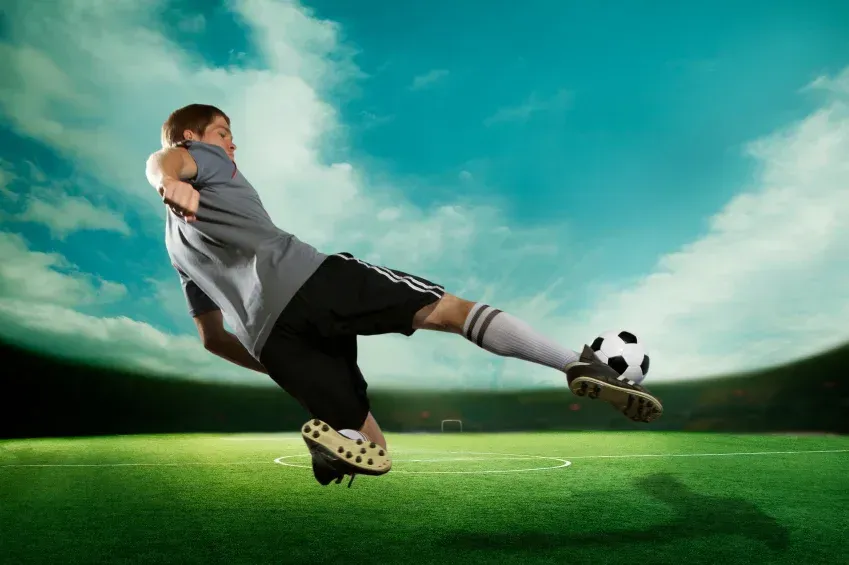
Athletes are well aware that injuries can happen at any time in any sport. Anything from insufficient stretching and warm-up to a collision on the field can lead to a sports injury. When this happens, athletes not only suffer physical pain, but their injuries can also take students out of their favorite sport, jeopardize academic scholarships, and end careers.


There is good news, though; physical therapy offers athletes the chance to get back to the sports they enjoy after an injury. It also accelerates healing after surgery to repair damage from a sports-related injury. Although people often associate physical therapy with recovery from an injury or surgery, physical therapy isn’t only used for rehabilitation. It’s also an integral training tool for preventing sports injuries.


Physical therapy reduces or eliminates pain, increases flexibility and strength, and prevents athletic injury. We will discuss ways physical therapy helps athletes safely enjoy the sports they love.

How Does Physical Therapy Help Athletes?

Whether you’re looking to return to your sport after injury or surgery or wanting to stay in it by strengthening and reducing the risk of injury, athletic physical therapy helps in various ways.


1. Rehabilitation

After an athlete has suffered from a sports injury or surgery, physical therapy is vital to the rehabilitation process. The goal of the rehabilitation is to get you back to your sport by limiting the extent of the injury, reducing or reversing the impairment and functional loss, and preventing, correcting, or eliminating the disability caused by the injury.


A physical therapist develops a treatment plan specific to your needs after assessing your pain, mobility, range of motion, balance, and strength. Although your rehabilitation focuses on your unique needs, the general stages of rehabilitation in sports injuries include:


  • Reducing pain and swelling
  • Restoring joint mobility and range of motion
  • Restoring muscle strength and endurance
  • Recovering coordination
  • Recovering movements specific to your sport
  • Returning to sport


Next, we’ll examine how physical therapy reduces or eliminates your pain.


2. Reduces or Eliminates Pain

Nothing is pleasant about pain, yet it can serve a purpose. In sports, pain can alert you to an injury or protect your body from further harm. But if your injury pain isn’t managed, it can lead to chronic pain as your brain becomes conditioned to over-respond. Physical therapy helps to reduce or eliminate your pain.


When one area of your body hurts, you will naturally compensate by putting more weight on other body parts to protect yourself and avoid triggering more discomfort in the painful area. The problem is that you can overstress another part of your body and cause additional injury without realizing it.


Physical therapy gets you on track to avoid overcompensating. It allows you to participate in sports again using treatment modalities such as exercise and stretching, manual therapy, electrical stimulation, iontophoresis, and therapeutic ultrasound.


Sometimes, pain is caused by an athletic injury that includes muscle damage, and those muscle fibers become jumbled and hardened. To relieve this kind of soft tissue pain, physical therapists may utilize astym treatment.


Astym treatment engages the body’s regenerative mechanisms intending to repair damaged tissue and resorbing scar tissue. It also improves your flexibility and range of motion.


3. Improves Flexibility and Range of Motion

Most sports require you have a good range of motion and flexibility. Range of motion measures a joint’s capability to reach its full potential of producing its complete spectrum of movements.


Flexibility is the range of motion in a joint or group of joints or the ability to move joints effectively through a complete range of motion. Physical therapy can help improve your flexibility without creating hyper-flexibility, which can lead to injury.


Physical therapy targets particular muscle groups and incorporates specific exercises and other treatments designed to improve flexibility and range of motion to help you prevent future injuries and reach your full potential as an athlete.


4. Increases Strength

A significant benefit of physical therapy is increasing your strength. Just as your body overcompensates when you’re in pain, the same can happen when an area is weak, leading to overuse and injury.


The muscles surrounding your injury weaken after you have been in a cast or brace. Weakening can also occur after the rest needed to recover from surgery or injury. Physical therapy will help you restrengthen your ligaments, joints, and muscles.


A goal of physical therapy is to help you return to your sport as strong as, or stronger than, you left it so you can function at your best as an athlete. Your strength is increased through a physical therapy program tailored to you and may include treatments such as passive and active exercises.


5. Prevents Athletic Injuries

Bone fractures, ligament and tendon tears, muscle sprains, dislocated joints, and head injuries are common in sports. Many sports injuries result from inadequate training methods, such as improper equipment and lack of conditioning. Insufficient warm-up and stretching also cause sports injuries.


You can’t perform optimally as an athlete if you’re hurt, and physical therapy is beneficial to prevent athletic injuries. In addition to what we have already discussed about managing pain, improving flexibility and range of motion, and increasing strength, your physical therapist can also help keep you injury-free through education, including:


  • Teaching you how to prevent overuse injuries
  • Showing you how to maintain good form while you’re conditioning
  • Showing you how to warm up, cool down, and stretch effectively
  • Teaching you how to head your body’s cues and know its limitations
  • Recommending proper protective equipment, how to maintain it, and when to replace it
  • Teaching you about nutrition and rest
  • Evaluating when it’s safe to return to the game


Physical Therapy for Athletes

Every athlete wants to participate in their sport at peak performance. If you desire training to reach your full potential or need help recovering from an injury so you can return to the sport you love, Rock Valley PT provides skilled athletic physical therapy for athletes just like you. Contact us today to request an appointment and get on your path to healing.

Connect With Us:

More Tips, Insights & Recovery Advice

By ashley johnson September 8, 2026
Do you have a joint replacement surgery scheduled or are you considering one in the future? Join us for a comprehensive class that educates you and your loved ones about joint replacement surgery and how we can make your recovery easier. Dr. Ryan Pizinger will also be joining us to discuss: His procedures Expectations post-surgery Any other questions you have! Surgeries of the hip, knee and shoulder will be the primary focus but any orthopedic surgeries or procedures are welcome for discussion and questions! Our goal is to get you back to doing the things you love as soon as possible! Walk-ins welcome!
Two people standing in a hallway, one in a gray sweater and one in a black T-shirt and cap.
By Kylie Williams September 2, 2026
From a 25 percent chance-to-live as he and his crumpled,1999, Ford Mustang rested in a ditch that fateful, late-September morning, to the 50 percent chance (on a good day) to survive that first week in the intensive care unit, to standing on the verge of getting his doctor’s OK to return to work, Brennen Neblung’s path