

Top Reasons People Are Afraid To Go to Physical Therapy

Share this Article:

Has your healthcare provider prescribed physical therapy sessions for you? Are you hesitant to make that first appointment, but you’re not sure what exactly is holding you back? It’s possible that you may be afraid to go to physical therapy — fearful that it might be painful, expensive, or for other reasons.


Read on to learn about common reasons people are afraid to go to physical therapy, and hopefully ease your mind if you recognize any of these fears in yourself.

Top Reasons People Are Afraid To Go to Physical Therapy

Fear is a powerful emotion, and it drives the choices we make. Do any of these fears resonate with you? If so, talk to your physician or physical therapist about them.


1. People Are Afraid Physical Therapy Will Hurt

The idiom “no pain, no gain” originated in 1670 from John Ray’s proverb collection and was adopted in the 1980s by athletic coaches to motivate their athletes to work harder. But if you believe physical therapy is about inflicting pain to benefit you, it can understandably cause fear about going. Few people want to sign up for more pain.


It’s important to distinguish between pain and soreness, and physical therapy shouldn’t cause you pain. Rest assured that a physical therapist’s goal is to minimize your pain rather than make it worse. A good physical therapist considers your pain threshold and adapts your therapy accordingly.


When you participate in any kind of strengthening exercise, it stresses your muscle fibers. This impact on your muscles can cause them to be sore after physical therapy, but it’s a good kind of soreness indicating that your exercise is strengthening you, not hurting you. 


The bottom line is if you avoid physical therapy because you’re afraid of the pain it might cause, you will most likely prolong or exacerbate the discomfort that got you a referral for physical therapy in the first place. By communicating with your physical therapist, you can work together to create a treatment plan that provides you great results without unnecessary discomfort.


2. People Are Afraid They Don’t Have Time for Physical Therapy

People are also afraid to go to physical therapy because they believe they don’t have time for it. Whether you are juggling the demands of school, career, family, or all of them together, everyone has multiple demands on their time, and it can seem daunting to add one more thing to your full schedule.


Physical therapists understand the temptation not to invest the time going to physical therapy appointments; however, they will work with you to create a treatment plan that takes your lifestyle into account while also producing the desired health outcomes.


Remember — your health is valuable, and anything of value requires some degree of investment.


3. People Are Afraid They Can’t Afford Physical Therapy

According to the American Physical Therapy Association, private health insurance, Medicare, and worker’s compensation typically cover medically necessary services under a licensed physical therapist’s supervision.


What if you don’t have health insurance or if the cost is prohibitive for you? Tell your therapist, and they might be able to design a modified program that allows you to do some treatment on your own at home while monitoring your progress. This may reduce your out-of-pocket costs.


Also, consider counting the cost of not going to physical therapy. Are you suffering from a sports injury? A fall injury? Lower back pain? Loss of function? Through passive and active manual physical therapy, you can reduce pain, enhance flexibility, and increase your strength, which improves mobility and restores lost function.


4. People Are Afraid Physical Therapy Won’t Work

Have you, or someone you know, put the time and effort into physical therapy, but didn’t get the results you hoped to see? It sometimes happens, even if your physical therapist is committed to helping you achieve your therapy goals.


Below are suggestions to help promote successful physical therapy results:


  • Have good communication with your physical therapist. Don’t be afraid to tell your therapist what you need. Adaptations are usually possible to help you reach your therapy goals. If you find that you and your therapist are not a good personality fit, you can request another therapist without worrying about hurting anyone’s feelings. The goal is to help you any way we can so you can live a full life. 
  • Ensure that you understand how to do your home exercises correctly. If you were assigned home exercises, ask all the clarifying questions needed, so you are confident that you’re performing them correctly. If your form isn’t correct, it can delay your progress. It’s also essential to do the home exercises at the frequency your therapist prescribes, so you don’t slow down your progress.
  • Get regular reevaluations. Your physical condition changes, and your physical therapy needs to change with it. Be sure to get to the reevaluation appointments so that your therapist can reassess you and ensure that your treatment plan still suits your needs.


5. People Are Afraid of Going to Physical Therapy Amidst the Pandemic

The COVID-19 infection has impacted millions of people around the world, so it’s understandable to want to stay safe amidst the current pandemic, and we want to keep you safe too.


You can have peace of mind that at all Rock Valley PT locations, we are keeping the following COVID-19 protocols in place to keep you safe. For in-clinic services, we require:


  • Face coverings to be worn by everyone inside a Rock Valley Clinic in all regions with moderate to high transmission rates.
  • All high-traffic touch-points are continually sanitized by staff and therapists
  • All equipment and surfaces are cleaned and sanitized after every use


If you’re uncomfortable receiving your physical therapy treatments in person despite the precautions in place, talk to us about telehealth options for those who choose treatment at home.


Rock Valley PT Is Making Lives Better

At Rock Valley PT, our goal is to make your life better. We are a patient-centered, therapist-led organization dedicated to improving your health. We invite you to reach out today and request an appointment with one of our highly-skilled physical therapists.

Connect With Us:

More Tips, Insights & Recovery Advice

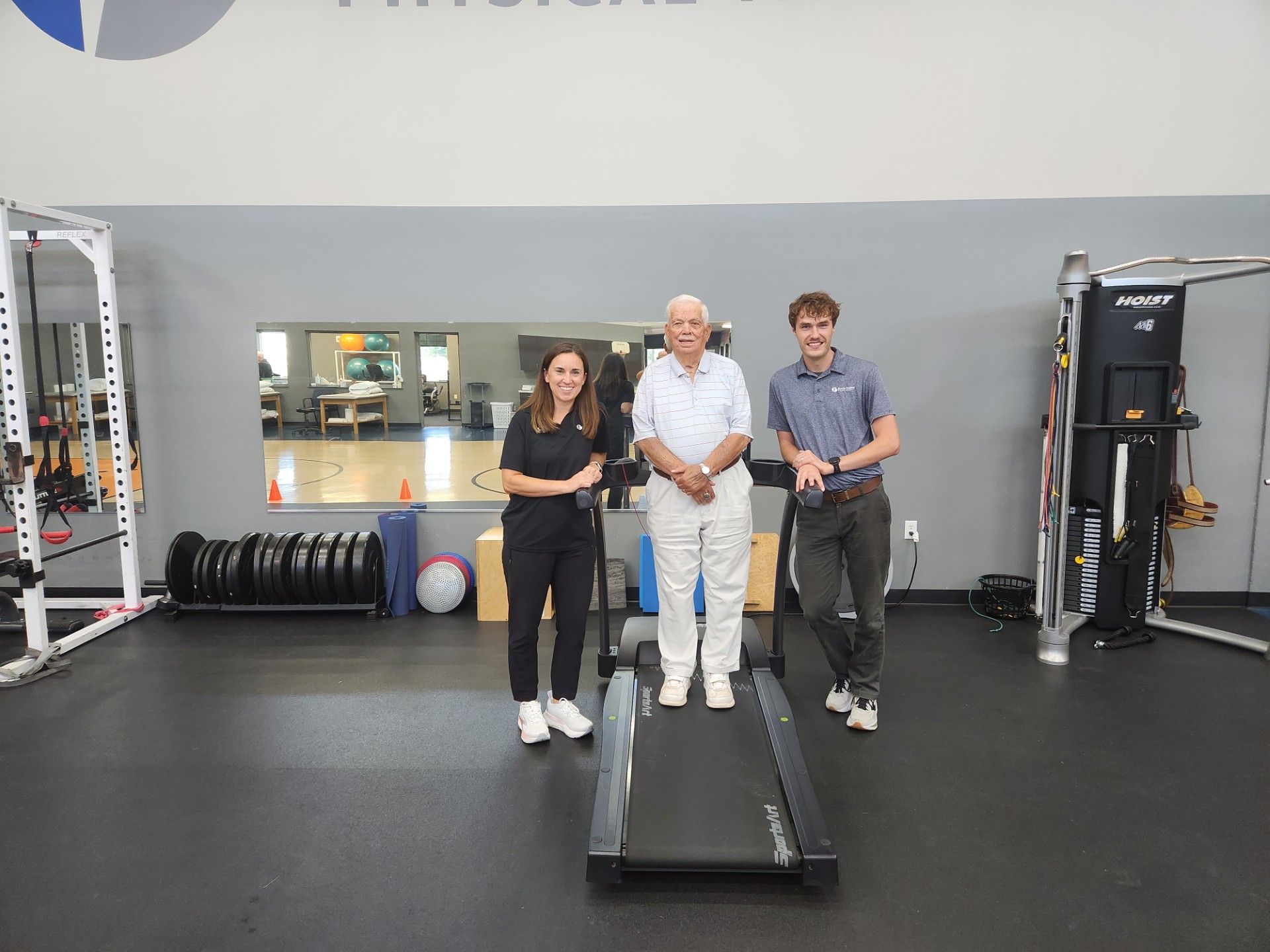
Three people standing on a treadmill in a gym, with exercise equipment in the background.
By Kylie Williams • October 12, 2026
“I don’t know where I would be without Ashley (Schurr, PT, DPT, OCS, CSCS),’’ said Hendren, who used to regularly shoot his age in golf, has a hole-in-one to his credit, and also a perfect 300 game in bowling. “She has always been there to get me through whatever I am dealing with. It’s been a lot of years with Ashley

By ashley johnson • October 9, 2026
Most people assume physical therapy is something you only need after tearing a ligament, having joint replacement surgery, or waking up with a stiff neck. While PTs are great at those things, treating injuries is only half of what we do. Physical therapy is also one of the most effective, underused tools for preventative wellness. PT can help you move better, prevent chronic disease and help protect your health for decades to come. Exercise Is The Wonder Drug You Don’t Need a Prescription For We all know exercise is good for us. If physical activity were packaged into a single pill, it would be the most prescribed blockbuster medication on earth. The benefits of exercise are incredible: Improves your mood and mental clarity: Triggers natural endorphins and neurotransmitters that combat depression and chronic anxiety Protects against chronic illness: Drastically reduces your risk of cardiovascular disease, stroke, type 2 diabetes, and multiple types of cancer Improves immune function: Studies show regular moderate activity significantly lowers the risk of severe respiratory illness and hospitalization from viruses like COVID-19 Protects brain health: Staying physically active through midlife helps reduce the risk of cognitive decline and dementia Improves metabolic health and sleep: Helps regulate insulin sensitivity, blood pressure, and circadian rhythm But the CDC reports that fewer than a quarter of American adults meet the full federal benchmarks for aerobic and muscle-strengthening activity. Why is that? Because for many people, moving regularly hurts, feels overwhelming, or doesn't fit well into everyday life. That's where your physical therapist comes in. Physical Therapy Helps You For Life To stay active, you have to first be able to move comfortably and safely. Physical Therapists are doctoral-level experts in the human movement system. They'll evaluate your entire body to reduce pain, get you moving better, and help you find the best exercise routine for you. They can also work together with your broader healthcare team. Whether your physician has urged you to lower your blood pressure, manage cholesterol, or improve your HbA1c levels, your PT can design an exercise prescription to help with these goals safely, and without pain. Think of your physical therapist the same way you think of your primary care physician or dentist: someone you visit for regular check-ups, movement screenings, and prescription changes. As your body changes across different decades, or as your lifestyle shifts from training for 10Ks to keeping up with grandkids, your PT can help you stay pain-free, capable, and healthy. Aging is inevitable, but losing mobility, strength, and independence is not. You don't have to wait for pain to make an appointment with your PT. Whether you want to run your first 5K, get back in the gym safely, or maintain your mobility and independence, think of your physical therapist as your movement coach and lifelong partner.