Will Physical Therapy Help?
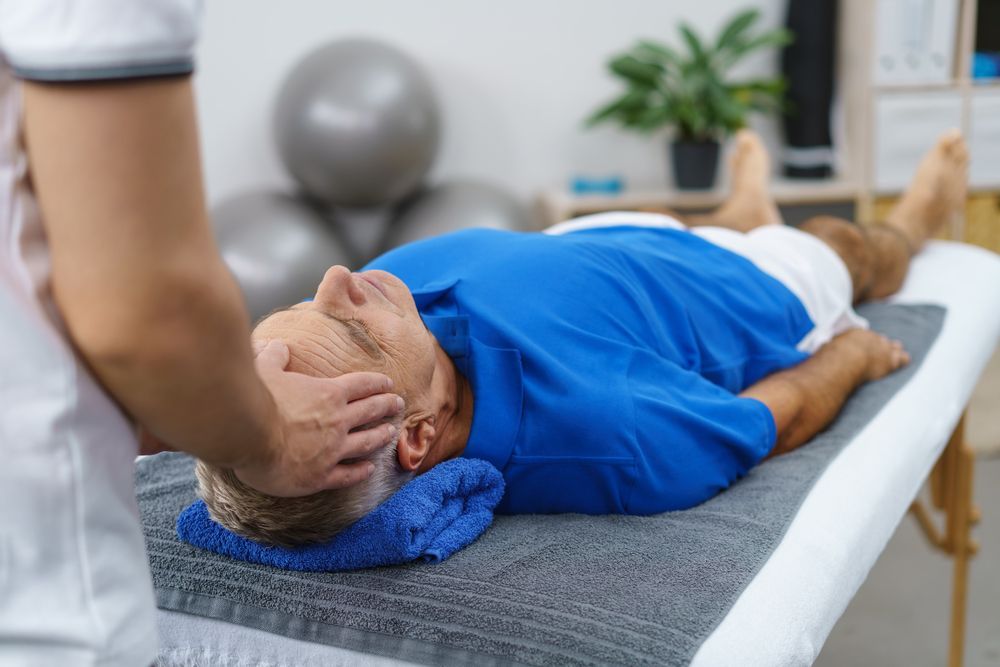
It is likely that a physical therapist can help provide relief from headaches. Physical therapists are trained to screen for conditions that would require further medical care; if there are no red flags your physical therapist will evaluate you and determine the best plan of care for your headaches.
Most people will find physical therapy for headaches is very effective. Working closely with a physical therapist to choose the most appropriate type of treatment is a critical step in getting long-term relief.
What can physical therapy do for you? Here are some potential benefits you may see:
- Reduce the intensity of the headache pain to a more manageable level or alleviate it fully
- Reduce the frequency of the onset of headaches
- Improve the length of headaches, reducing the amount of time you spend not engaging in life because of a headache
- Eliminate or reduce the amount of medications you need to use
- Improve your overall mobility and function
- Reduce pain and stiffness in your neck and shoulders often associated with headaches
- Improve your overall quality of life
The outcome you get is dependent on multiple factors, including the overall cause of the pain you have. Most often, physical therapy for headaches can be highly effective in alleviating headaches fully.
What Types of Headaches Can Be Treated?
Though having a headache is a common statement, there are actually a number of different types of headaches out there. Each one needs a different type of treatment to be alleviated. A physical therapist can help determine if you need to turn to your doctor for more aggressive treatment. Here’s a look at some of the most common types of headaches.
Migraines
It’s not uncommon for a person to suffer a migraine, though these are some of the most impactful and limiting headaches people have. They often come with other symptoms, such as being sensitive to light or suffering from painful neck throbbing. Some people cannot tolerate sounds when they have a migraine, and relief only comes from being in a quiet, dark room. Migraines like this can last for a few hours to days in the most intense situations and can be debilitating during that time.
Migraines could be brought on by stress, reactions to some types of foods, hormone imbalances, or numerous other limitations. Some people also struggle with neck pain that could contribute to the onset of migraines. It’s always important to learn the underlying cause, if possible, and to receive treatment for that though physical therapy can often be very helpful.
Tension headaches
Most people have experienced tension headaches from time to time. These occur around the head – often feeling as if a tight band has been wrapped around your head. Some people have a dull sensation, while others feel as though they are aching. Most of the time, a tension headache doesn’t create any throbbing symptoms, but a person may feel tension and pain in their upper shoulders and neck from them.
Tension headaches vary widely in terms of their underlying cause. Sometimes they can be brought on by stress, especially if that stress is ongoing. Other times, poor posture can contribute. Some people may have tension headaches frequently if they have muscle weakness in their neck, shoulders, or the surrounding area.
Though tension headaches may be common, physical therapy can help to make them less frequent and may reduce their intensity. Though it may be hard to eliminate all causes of headaches, and sometimes that cause is not known, it is likely that you can develop a treatment plan through physical therapy to improve your quality of life.
Cervicogenic headaches
A third common type of headache is called a cervicogenic headache. This type of headache occurs as a result of problems with the upper cervical spine. This area of your body works to control many of the small movements that occur in your neck. The area has dozens of muscles that have to work together to provide you with control over your headache and neck. Headaches may develop here for multiple reasons, such as muscle tightness or joint stiffness.
Cervicogenic headaches typically have a non-throbbing feel to them which can range from dull pain to much more significant pain. They can include blurry vision in one eye, pain in the arms, shoulders, or shoulder blades, and less overall flexibility of the neck. The pain often may seem to spread to the back of the head and the temples.
How Can Physical Therapy Reduce Headache Pain?
Working with a physical therapist can provide a few key benefits to those who have headache pain. First, it can work to ensure proper mobility and function of the vertebrae, often working to improve posture as well. Physical therapy can also provide relief from the uncomfortable tension in the shoulders, neck area, back, and other areas associated with the tension buildup. With the use of exercise, you can build up strength in this area and reduce the discomfort present.
Rock Valley PT Can Help You
You don’t have to just live with headache pain. You can get treatment in a holistic and natural way. Physical therapy for headaches may help you to get some of your life back, especially if you’ve been impacted by frequent headaches without an underlying cause.
With our team of highly experienced professionals, each of which is committed to providing exceptional care and attention to your needs, Rock Valley PT is confident we can help you.
Don’t be afraid to turn to physical therapy as a solution for the pain you’re feeling.
Contact us now for an appointment.