


Snow Shoveling Safety Tips

December 4, 2024

Share this Article:

Winter is coming, and along with it comes many necessary tasks that create significant physical strain on our bodies. There is no doubt that you’ll need to get out there to shovel the snow and rake the leaves even before that. Doing so safely may help you reduce some of the physical risks you face during this time of the year. Be sure you know what to expect when it comes to safety tips for winter season tasks.

Stretch Before Raking or Shoveling

Before you head outdoors to engage in any type of physical activity, including raking the leaves or shoveling snow, you need to be sure you are physically ready to do so. That doesn’t just mean getting the motivation up to do the work but also ensuring your body is warmed up and ready to go. Do some light stretching of your back, arms, and legs. That’s going to give you the ability to minimize some of the risk of injury.


If you commonly struggle with lower back pain, be sure to focus on low back stretches. You also want to be sure you’re bending at the knees, so you’re not lifting with your back but instead using your legs to do the work. All it takes is a few minutes of stretching to get your muscles ready for the workout they are about to take on. It’s not much different than the stretching you would do before working out at the gym.


Dress for the Weather

The right clothing should support the work you are doing and not limit you. There are a few concerns that can happen here. Because you may put on numerous layers of clothing to combat the low temperatures outside, be sure you can still bend and twist with ease. If you cannot do that easily, you’re more likely to strain when trying to pick up a heavy pile of snow.


The second concern comes in the form of sweating. That’s also why you need to dress in clothing that’s going to help wick away the moisture from your body. That helps you stay comfortable and cool without putting yourself at risk of overheating. If you’re not comfortable, make a few adjustments to what you’re wearing. Don’t forget boots, gloves, and hats for those cold days.

Choose the Right Equipment

Sometimes the most common injuries people face are a result of trying to do too much or doing the work in the wrong way. Here are some tips for using your equipment in the right manner:


  • Don’t try to manage the leaf pile on your own with raking if it’s causing significant exhaustion. Instead, invest in a leaf blower to help speed up the process.
  • Use a shovel that’s the right size for your body. Then, push instead of picking up the snow. Be sure to look for an ergonomic shovel.
  • A snowblower may be a necessary tool when the snow gets to be 8 or more inches. You may, on the other hand, need to call in a pro to plow the driveway when it’s too high. Don’t strain yourself and cause injury.
  • Use rock salt to help with ice instead of trying to chip it away with a shovel. It’s far easier and can help to minimize the risk of the driveway as well. De-icer products, sand, and cat litter can help, too.
  • Don’t forget the boots. Not only do they keep your feet dry and comfortable during this workout, but they also provide some slip resistance for you. 

Take Breaks and Stay Hydrated

Remember, this type of work is a workout, and your body is going to need some careful attention. Take breaks every 15 minutes to allow your body to catch up, or do so more often if you need to.. If you’re tired and rushing, chances are higher that you’ll hurt yourself. Set a goal for yourself to do a certain section of the yard or driveway and then take a 10-minute break. Don’t underestimate the importance of hydration. Your body is working hard and sweating. It needs more hydration during these periods than you may realize. Every time you take a break, be sure to drink some water. If you tend to feel headaches or exhaustion after raking or shoveling snow, it could be that your body is dehydrated.

If You’re in Pain, be Sure to Reach out to a Physical Therapist

Both raking leaves and shoveling snow are physically intense activities that can, without a doubt, cause a number of injuries. If you feel aches and pains develop, do not wait to see a physical therapist.


If you are bleeding or have an obvious injury, urgent care or emergency room may be necessary. 


Rock Valley PT Is Available to Help You

Our team works together to ensure you have access to the very best level of care possible if you’ve suffered an injury. Our goal is always to provide a patient-first compassionate care. After a long day working outdoors, if you’re hurting and achy, reach out to us so we can help you get back to doing the things you love.. A physician referral is not required to get started. Contact us today for an appointment.

Connect With Us:

More Tips, Insights & Recovery Advice

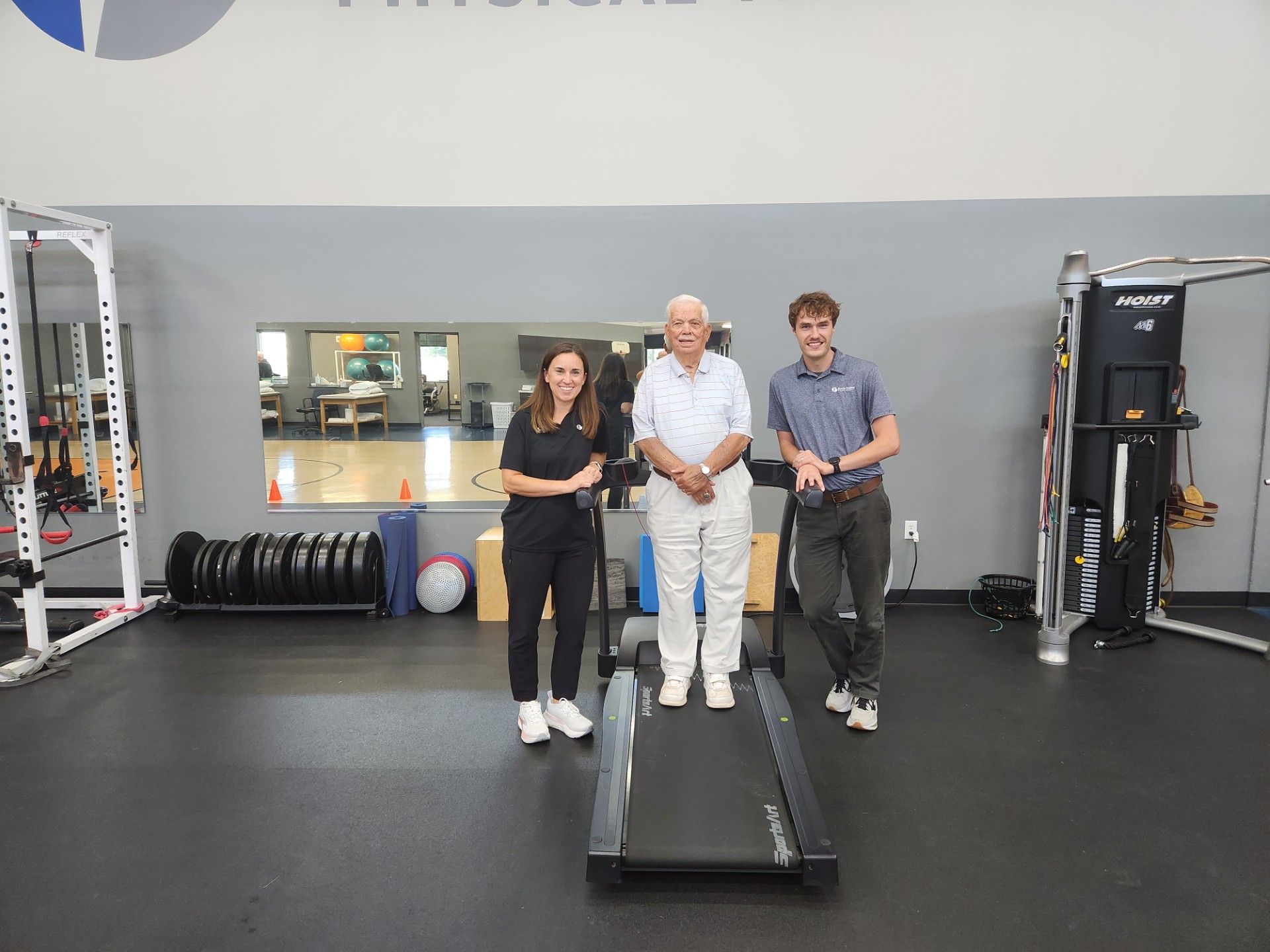
Three people standing on a treadmill in a gym, with exercise equipment in the background.
By Kylie Williams • October 12, 2026
“I don’t know where I would be without Ashley (Schurr, PT, DPT, OCS, CSCS),’’ said Hendren, who used to regularly shoot his age in golf, has a hole-in-one to his credit, and also a perfect 300 game in bowling. “She has always been there to get me through whatever I am dealing with. It’s been a lot of years with Ashley
By ashley johnson • October 9, 2026
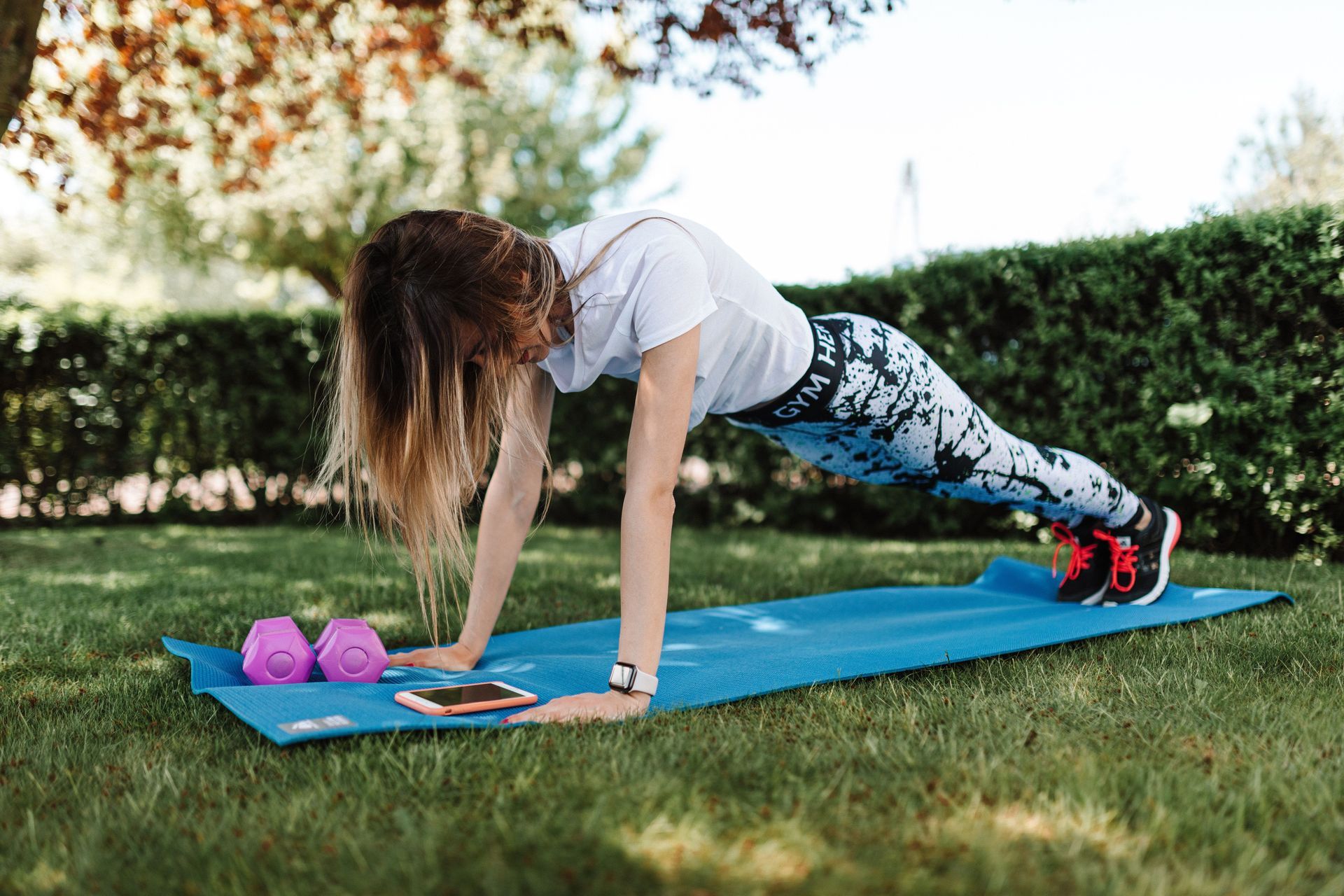
Most people assume physical therapy is something you only need after tearing a ligament, having joint replacement surgery, or waking up with a stiff neck. While PTs are great at those things, treating injuries is only half of what we do. Physical therapy is also one of the most effective, underused tools for preventative wellness. PT can help you move better, prevent chronic disease and help protect your health for decades to come. Exercise Is The Wonder Drug You Don’t Need a Prescription For We all know exercise is good for us. If physical activity were packaged into a single pill, it would be the most prescribed blockbuster medication on earth. The benefits of exercise are incredible: Improves your mood and mental clarity: Triggers natural endorphins and neurotransmitters that combat depression and chronic anxiety Protects against chronic illness: Drastically reduces your risk of cardiovascular disease, stroke, type 2 diabetes, and multiple types of cancer Improves immune function: Studies show regular moderate activity significantly lowers the risk of severe respiratory illness and hospitalization from viruses like COVID-19 Protects brain health: Staying physically active through midlife helps reduce the risk of cognitive decline and dementia Improves metabolic health and sleep: Helps regulate insulin sensitivity, blood pressure, and circadian rhythm But the CDC reports that fewer than a quarter of American adults meet the full federal benchmarks for aerobic and muscle-strengthening activity. Why is that? Because for many people, moving regularly hurts, feels overwhelming, or doesn't fit well into everyday life. That's where your physical therapist comes in. Physical Therapy Helps You For Life To stay active, you have to first be able to move comfortably and safely. Physical Therapists are doctoral-level experts in the human movement system. They'll evaluate your entire body to reduce pain, get you moving better, and help you find the best exercise routine for you. They can also work together with your broader healthcare team. Whether your physician has urged you to lower your blood pressure, manage cholesterol, or improve your HbA1c levels, your PT can design an exercise prescription to help with these goals safely, and without pain. Think of your physical therapist the same way you think of your primary care physician or dentist: someone you visit for regular check-ups, movement screenings, and prescription changes. As your body changes across different decades, or as your lifestyle shifts from training for 10Ks to keeping up with grandkids, your PT can help you stay pain-free, capable, and healthy. Aging is inevitable, but losing mobility, strength, and independence is not. You don't have to wait for pain to make an appointment with your PT. Whether you want to run your first 5K, get back in the gym safely, or maintain your mobility and independence, think of your physical therapist as your movement coach and lifelong partner.