Why PT Is Vital for Long-Term Healing
Physical therapy and rehabilitation are essential to long-term recovery from most moderate to severe injury types. The goals of this type of therapy are to reduce the pain you feel but also to improve the function of the joints, muscles, tendons, or other components. It may also help you see improvement in range of motion or the flexibility that your body has when moving. Physical therapy can also help ensure proper alignment while you are moving that joint.
In short, physical therapy can help your body heal properly and fully. Consider for a moment what might happen without this type of therapy. For example, if you have joint damage and have surgery to repair it, that area is properly aligned and ready to function. However, if you do not have proper rehabilitation, your body will naturally alter the way you walk or move that joint to reduce pain. Within a short time, you could have alignment problems which create complications and damage to that area again.
Physical therapy works to eliminate this risk by encouraging the proper movement of the area. It also helps to ensure that your body heals to the highest level possible. Often, in rehab, your body learns how to properly move, minimizing the risk of further injury down the road while ensuring the best outcome now.
Understanding Your Unique Recovery Timeline
Every injury a person has needs its own timeline for recovery. The goal of treatment is to create a plan for that to happen. Initially, after the injury occurs, it’s important to rest the area, allowing for the inflammation to reduce and giving the body’s immune system the ability to go to work. There may be a lot of icing, elevation, and compression at this point.
Then, over a certain amount of time, dependent on the type of injury, it becomes necessary to start moving that area of the body again. That helps ensure that the muscles and other tissues are healing properly and allowing for proper movement.
In severe cases, the brain has to relearn how to use that area of the body, such as a leg or an arm. That means engaging in repetitive activities until the brain is able to instantly handle such tasks without concentrated thought.
Different injuries impact the various types of physical therapy and rehabilitation applied. For example, some injuries require helping to address pain, which means getting the nerve endings to work properly to communicate pain signals properly. Other times, it is necessary to re-form that brain to limb communication so that you can move easier.
A customized treatment plan is always necessary to ensure the best outcome for an individual. That plan may also change over time as it becomes necessary to adjust to the body’s unique needs.
Four Ways Physical Therapy Boosts Recovery
Physical therapy can do quite a bit of the heavy lifting to help your body heal properly. Here are some examples of how this may work:
- Improve Poor Movement Patterns: Individuals who have chronic pain may have underlying issues that are causing that pain. With physical therapy, it is possible to not only find pain relief but also to correct those underlying problems. That way, they do not continue to impact you.
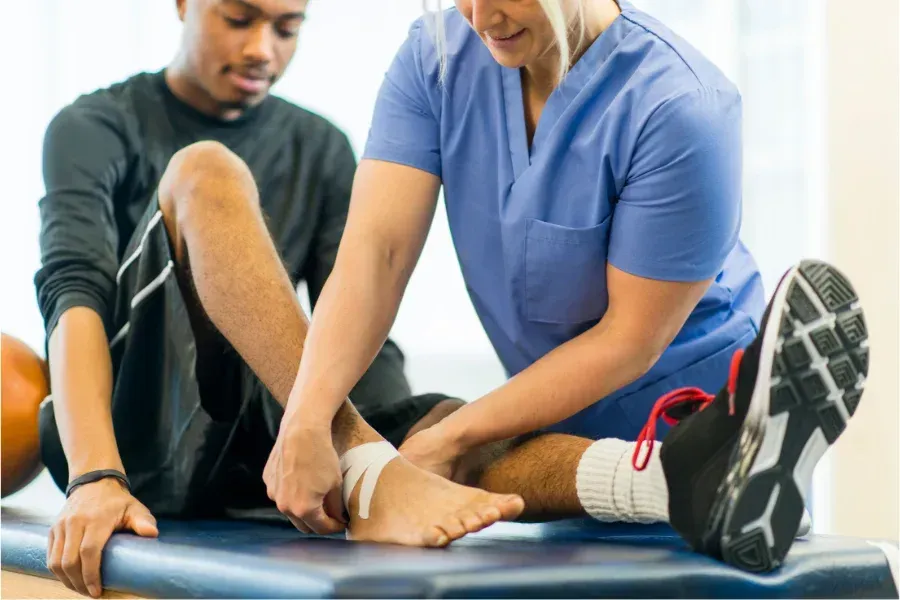
- Limiting Scar Tissue Buildup: Scar tissue is one of the most worrisome of all components in the recovery process. It is common after a surgical procedure or injury to occur. When scar tissue develops, it can create tightness in the area, making it harder to move. Physical therapists know this, and that is why they use manual and other forms of stretching to help break up that tissue to ensure proper function.
- Strength Improvement: The time you spend in recovery often means muscles are losing their overall strength. During physical therapy, you will learn how to activate and strengthen those muscles. This helps to reduce the strain that can commonly happen within joints. During physical therapy, your therapist works to help you strengthen all muscles involved. This helps you feel stronger, therefore more confident in safely performing more challenging tasks at home.
- Improve Outcomes: Another way that physical therapy works is to help you get the very best outcome from a previous surgery or from the healing process. Using the tools associated with physical therapy, it is possible to improve post-surgical outcomes. It also often means that you are less likely to develop chronic pain or mobility issues.
One core component of all types of physical therapy is that it is always customized to fit the unique needs of the individual. That means that the treatment plan assigned to you is based on your body’s limitations, pain levels, and functional goals. It can be customized to address any concerns present that could impact your quality of life.
For some, strengthening those muscles, stretching joints, and just all around improving movement is difficult and painful. Yet, every time you engage in professional-led therapy, your body improves, and pain will improve.
Get Expert Rehabilitation at Rock Valley PT
No matter what happened to you, you can take steps now to get back on the path of healing and recovery. To do so, invest in our team at Rock Valley Physical Therapy. We have extensive support resources to help you reach the best version of you possible. Take some time now to request an appointment and learn more about our services.