



What are the 6 Stages of Concussion Recovery?

September 23, 2025

Share this Article:

Recovering from a concussion is rarely a straight path. Healing takes time, and each stage builds on the last to help the brain and body return to full function. Since each phase has its own purpose, knowing what to expect can make the process less overwhelming, more focused, and ultimately help you make informed choices and start the right care early.

1. Immediate Response: Recognizing the Signs

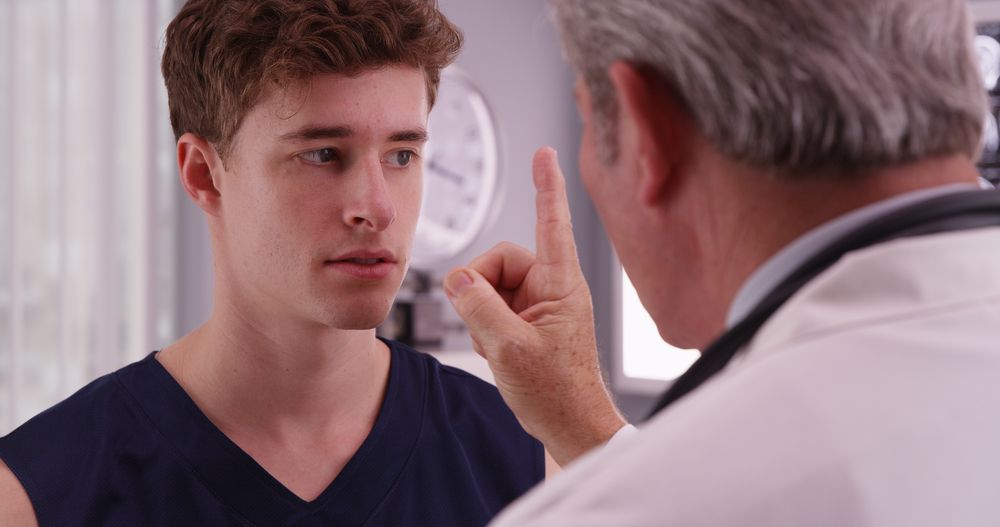
The first moments after a concussion are important for setting the stage for recovery. A concussion is a mild traumatic brain injury, often caused by a blow to the head or a sudden jolt that makes the brain move inside the skull.


Signs can appear quickly or develop over several hours. Common symptoms include headaches, dizziness, blurred vision, confusion, nausea, and sensitivity to light or noise. Some people may seem dazed or have trouble recalling events that happened just before or after the injury.


If a concussion is suspected, it’s important to stop any physical activity right away and seek medical attention. Continuing to play sports, drive, or engage in strenuous tasks can increase the risk of further injury.


Early recognition helps guide the next steps in care and allows the brain the rest it needs in the first phase of recovery. Loved ones and teammates can help by watching for changes in mood, behavior, or alertness in the hours following the injury.

2. Initial Rest and Recovery

After a concussion, the body and brain need time to reset. The first few days often involve limiting both physical and mental strain. This means reducing screen time, avoiding loud environments, and holding off on workouts or sports. Even reading or concentrating on complex tasks can sometimes make symptoms worse in the early phase.


Rest does not mean staying in a dark room all day. Light, calm activity, such as short walks around the home or gentle stretching, can be helpful if symptoms allow. The key is to pay attention to how the body responds and stop any activity that triggers discomfort.


During this stage, hydration, balanced meals, and consistent sleep play a major role in healing. It’s also a good time to check in with a healthcare provider to track progress and set expectations for the recovery timeline.


Laying this foundation in the early days gives the brain the best chance to move forward into safe, gradual activity in the next stage.

3. Gradual Return to Activity

Once initial symptoms begin to improve, light activity can be reintroduced under professional guidance. This stage focuses on slowly increasing movement without causing a setback. Activities might start with short walks, light household chores, or gentle stretching. The goal is to keep the heart rate slightly elevated while avoiding anything that leads to dizziness, headaches, or confusion.


Pushing too hard can cause symptoms to return or worsen, so progression should happen in small steps. For athletes, this may mean starting with non-contact drills or stationary cycling before advancing to full practice. For students or employees, it can involve partial days or reduced workloads.


Working with a healthcare provider or physical therapist during this stage helps identify safe activity levels and adjust them as recovery continues. Progress is measured not just by what can be done, but how the brain and body feel afterward. A steady approach now helps set the stage for more demanding mental and physical challenges ahead.


4. Cognitive Rehabilitation and Mental Rest

Concussions affect more than physical abilities. Thinking, memory, and concentration can also be impacted, making everyday tasks feel harder than usual. This stage focuses on giving the brain the space it needs to recover while gradually rebuilding mental stamina.


Early on, limiting activities that require heavy focus, such as reading for long periods, problem-solving, or extended computer use, can help prevent symptoms from flaring. Over time, these tasks can be reintroduced in short intervals, increasing duration as the brain adapts.


Some people benefit from targeted cognitive exercises provided by therapists. These might include memory drills, attention training, or strategies for managing information overload. Short breaks between tasks help avoid fatigue and frustration.


Emotional health is also part of this stage. Irritability, anxiety, or mood changes are common, and open communication with healthcare providers can connect patients to helpful support. Combining mental rest with structured, gradual re-engagement allows the brain to rebuild its processing speed and endurance in a safe, sustainable way.


5. Guided Physical Therapy for Symptom Management

Physical therapy plays a key role in recovery for many people after a concussion. Symptoms such as dizziness, balance problems, neck pain, or lingering headaches can be addressed through targeted exercises and hands-on treatment.


A physical therapist trained in concussion care can evaluate how the injury has affected movement, coordination, and posture. Treatment might include gentle neck stretches, balance retraining, and eye movement exercises to reduce dizziness or blurred vision. In some cases, vestibular therapy is used to help restore balance and improve the body’s ability to process motion without triggering symptoms. For athletes or active individuals, therapy can also help rebuild strength and endurance in a controlled, safe way.

Therapists adjust each program based on how symptoms respond. This individualized approach prevents overexertion while still encouraging steady progress. Education on pacing, safe exercise choices, and home strategies is often part of the process, giving patients tools they can use outside the clinic.


Working closely with a physical therapist not only helps reduce symptoms but also shortens the concussion recovery timeline by promoting steady, monitored improvement.

6. Full Return to School, Work, or Sport

The final stage of concussion recovery focuses on resuming normal responsibilities and activities without symptoms. This includes being able to complete a full day of school or work, participate in sports practices, and handle mental tasks without headaches, dizziness, or fatigue.


Before reaching this point, a gradual build-up of both cognitive and physical demands should be completed under professional supervision. Students may progress from partial days to full schedules. Athletes may advance from non-contact drills to full competition. Each step is taken only when the previous one can be done comfortably.


Physical therapists and healthcare providers often use specific tests to confirm readiness, such as balance assessments, reaction time evaluations, and strength checks. This helps reduce the risk of reinjury and provides confidence that the brain has recovered fully.


Reaching this stage means the brain and body can handle everyday and high-level activities again. Continued healthy habits, ongoing physical activity, and awareness of any new symptoms help maintain long-term well-being after a concussion.


Recovering from a concussion takes patience, the right treatment plan, and steady support. At Rock Valley Physical Therapy, we offer personalized care for every stage, from early rest to full return. Our therapists work closely with patients to restore balance, build strength, and manage symptoms effectively. No referral is needed, making it easy to start your recovery and move forward with confidence.

Connect With Us:

More Tips, Insights & Recovery Advice

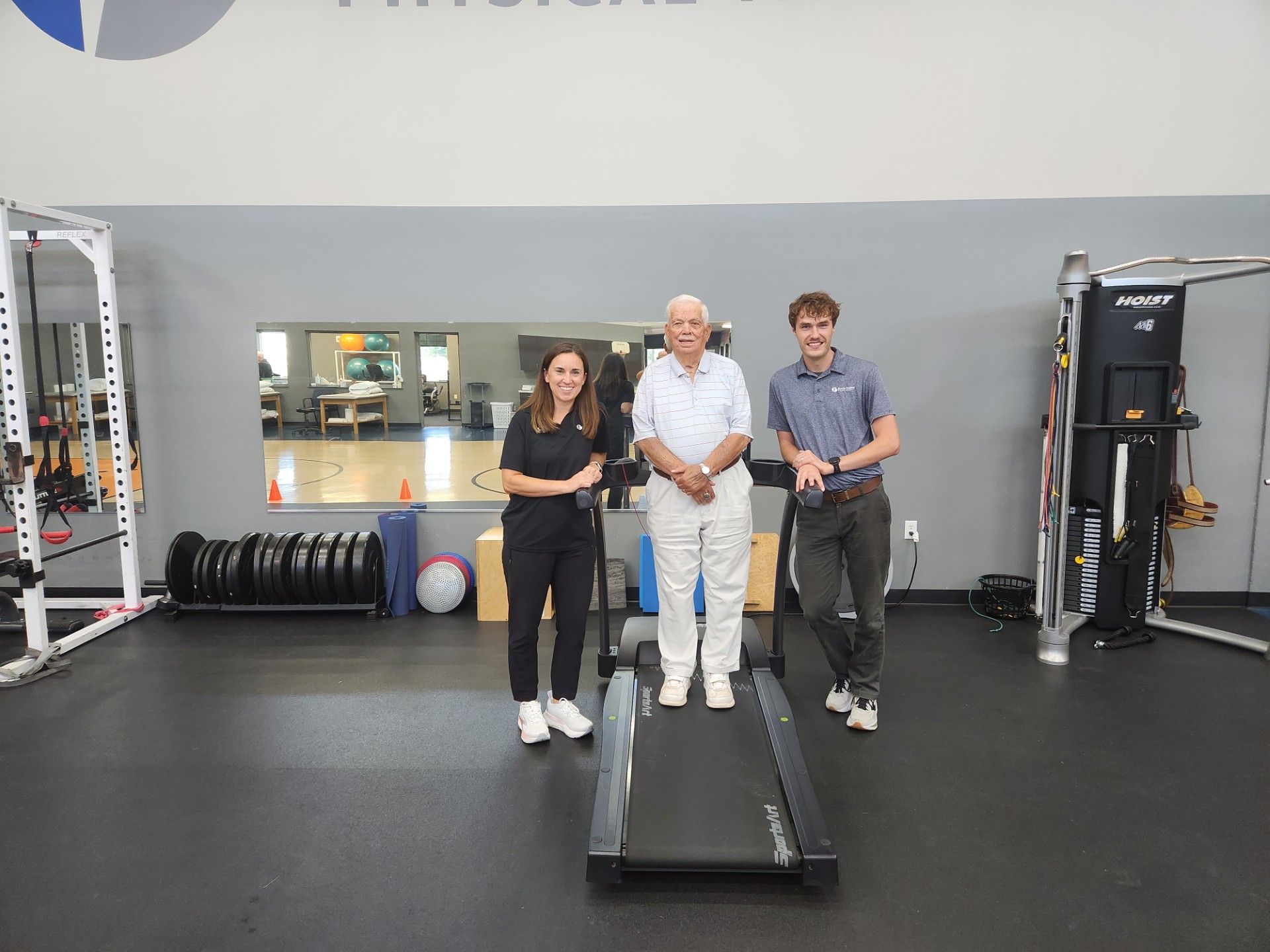
Three people standing on a treadmill in a gym, with exercise equipment in the background.
By Kylie Williams • October 12, 2026
“I don’t know where I would be without Ashley (Schurr, PT, DPT, OCS, CSCS),’’ said Hendren, who used to regularly shoot his age in golf, has a hole-in-one to his credit, and also a perfect 300 game in bowling. “She has always been there to get me through whatever I am dealing with. It’s been a lot of years with Ashley

By ashley johnson • October 9, 2026
Most people assume physical therapy is something you only need after tearing a ligament, having joint replacement surgery, or waking up with a stiff neck. While PTs are great at those things, treating injuries is only half of what we do. Physical therapy is also one of the most effective, underused tools for preventative wellness. PT can help you move better, prevent chronic disease and help protect your health for decades to come. Exercise Is The Wonder Drug You Don’t Need a Prescription For We all know exercise is good for us. If physical activity were packaged into a single pill, it would be the most prescribed blockbuster medication on earth. The benefits of exercise are incredible: Improves your mood and mental clarity: Triggers natural endorphins and neurotransmitters that combat depression and chronic anxiety Protects against chronic illness: Drastically reduces your risk of cardiovascular disease, stroke, type 2 diabetes, and multiple types of cancer Improves immune function: Studies show regular moderate activity significantly lowers the risk of severe respiratory illness and hospitalization from viruses like COVID-19 Protects brain health: Staying physically active through midlife helps reduce the risk of cognitive decline and dementia Improves metabolic health and sleep: Helps regulate insulin sensitivity, blood pressure, and circadian rhythm But the CDC reports that fewer than a quarter of American adults meet the full federal benchmarks for aerobic and muscle-strengthening activity. Why is that? Because for many people, moving regularly hurts, feels overwhelming, or doesn't fit well into everyday life. That's where your physical therapist comes in. Physical Therapy Helps You For Life To stay active, you have to first be able to move comfortably and safely. Physical Therapists are doctoral-level experts in the human movement system. They'll evaluate your entire body to reduce pain, get you moving better, and help you find the best exercise routine for you. They can also work together with your broader healthcare team. Whether your physician has urged you to lower your blood pressure, manage cholesterol, or improve your HbA1c levels, your PT can design an exercise prescription to help with these goals safely, and without pain. Think of your physical therapist the same way you think of your primary care physician or dentist: someone you visit for regular check-ups, movement screenings, and prescription changes. As your body changes across different decades, or as your lifestyle shifts from training for 10Ks to keeping up with grandkids, your PT can help you stay pain-free, capable, and healthy. Aging is inevitable, but losing mobility, strength, and independence is not. You don't have to wait for pain to make an appointment with your PT. Whether you want to run your first 5K, get back in the gym safely, or maintain your mobility and independence, think of your physical therapist as your movement coach and lifelong partner.