What Is a Concussion?
A concussion is a traumatic brain injury (TBI). Your brain is soft and squishy — it’s been compared by neurosurgeons to feeling like jello. Cerebrospinal fluid is between your skull and your brain, and it protects your brain from damage.
But sometimes, a sudden shake or blow to the head is so severe that it causes your brain to bounce against your skull, resulting in a concussion. This abrupt head-jolting can cause short-term and long-term problems due to damage to brain tissue. It can also cause chemical changes within the brain. This damage affects your brain’s function and produces challenging symptoms.
What causes concussions? The most common cause of concussion is falling. However, contact sports, vehicle accidents, assault, and playground accidents are also leading causes of concussions.
Warning Signs of a Concussion
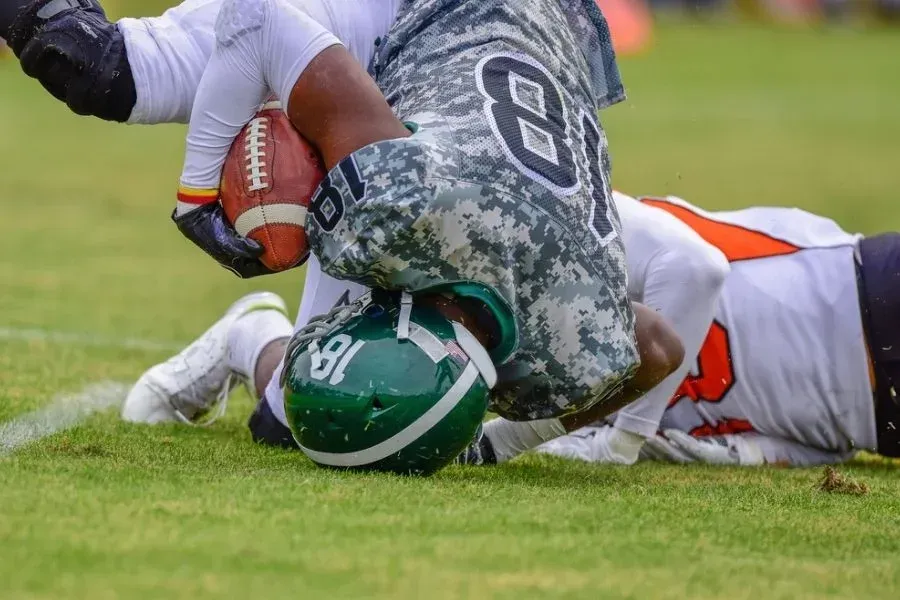
Have you ever witnessed athletes colliding on the field and wonder if they’re okay? As an observer, you can look for warning signs of a concussion immediately following an injury. But keep in mind that symptoms don’t always show up right away; sometimes, they gradually appear over a period of hours or days.
Recognizing warning signs of a possible brain injury like a concussion helps you assess the need for medical attention and if it’s safe to return to the activity. Warning signs of concussion that you may observe can include:
- Losing consciousness/”passing out” (although 90% do not lose consciousness)
- Appearing dazed/confused
- Slow to respond to your questions
- Garbled/slurred speech
- Asking the same question repeatedly
If you or someone else exhibits concussion symptoms while participating in an activity such as a sport, it’s important not to return to that activity until you’ve been evaluated by a healthcare professional.
We understand the commitment level that accompanies a sport. However, if you’ve suffered a concussion and return to the game, you have a significantly higher risk of a second concussion.
If you experience a second concussion before the first one heals, you are at risk for second impact syndrome (SIS). SIS causes the brain to swell rapidly. It’s somewhat rare, but it’s debilitating and often causes death.
Additionally, repeated concussions can lead to a permanent, chronic brain disease called Chronic Traumatic Encephalopathy (CTE).
Protect your brain!
A concussion changes the way your brain functions, causing a range of symptoms that can last a few days, a few months, or longer. Signs of a concussion can be grouped into four categories: somatic, cognitive, sleep, and emotional.
1. Somatic (Physical) Signs
The physical signs of concussion can be easier to recognize and may include:
- Headache
- Nausea/vomiting
- Double/blurry vision
- Dilated pupils
- Dizziness
- Difficulty with balance
- Sensitivity to light
- Ringing in ears
- Seizures
- Loss of taste or smell
2. Cognitive (Thinking) Signs
Cognition is defined as “a range of mental processes relating to acquiring, storing, manipulating, and retrieving information.” It’s essential to function in everyday life and is incredibly frustrating when thinking that used to be so second nature becomes difficult.
- Confusion
- Concentration problems
- Difficulty processing and understanding information
- Attention/focus problems
- Obsessive or fixated thinking
- Easily distracted
- Memory problems
- Difficulty problem-solving
- Decision-making problems
3. Sleep Signs
Research reveals that 30% of those who experience a concussion have difficulty sleeping soon after their injury, and 30-70% have continued difficulty sleeping.
- Insomnia
- Hypersomnia (too much sleep)
- Sleep apnea
- Restless leg syndrome
- Excessive daytime sleepiness/narcolepsy
4. Emotional Signs of Concussion
Emotional signs of a concussion may be the most difficult to cope with because they can change your personality, which is tough for you and your loved ones.
- Increased stress
- Depression
- Anxiety
- Loss of interest or emotions
- “Rollercoaster” emotions: for example, laughing followed quickly by crying
- Expressing intense emotions at inappropriate times
- Anger outbursts
- Easily overstimulated
Despite the challenges following a concussion, you can have hope because there is good news! Physical therapy can help.
How Physical Therapy Can Help a Concussion
1. Creating an individualized treatment plan
Physical therapists and athletic trainers are specially trained to evaluate your symptoms and develop an individual treatment plan unique to your situation. We use a concussion assessment program, C3 Logix, to assess and record your postural stability, working memory, set switching, reaction time, learning, and static and dynamic visual acuity.
2. Increasing your strength
If rest is a part of your treatment plan, it makes sense that taking a break from physical activity can lead to mild muscle weakness or a decrease in endurance. To increase your strength and endurance, your physical therapist will likely prescribe a safe, therapeutic exercise program to walk through with you – carefully monitoring symptoms throughout the process.
3. Improving your balance
Dizziness and imbalance are common concussion symptoms. Your physical therapist may prescribe vestibular therapy techniques to help you regain your balance.
4. Reduce headaches and neck pain
Headaches and neck pain are also common after a concussion. Headaches are directly related to the concussion, and neck pain is usually associated with the incident that caused the concussion.
Your physical therapist may implement strength training and hands-on manual therapy such as massage to alleviate head and neck pain.
5. Assistance with regular sports activities
If you’re an athlete, concussion management is crucial for your recovery and prevent further sports injury. When it’s considered safe to return to your normal sports activities, your physical therapist and athletic trainer will begin to assist you with training to integrate sporting activity into your routine safely.
Concussion Rehabilitation Therapy at Rock Valley PT
At Rock Valley PT, we understand how challenging it is to cope with concussion symptoms. Our professional physical therapy team at Rock Valley PT keeps up-to-date on the best evidence-based treatments to guide you through to a successful recovery after a concussion.
You don’t need a referral. Just reach out today, request an appointment, and start healing.