
Common Cycling Pains and How to Fix Them
The more time you spend on your bike, the more likely you are to notice aches and pains that weren't there when you first started riding. Maybe it's knee pain that shows up on longer rides, numb hands after spending time on the handlebars, or soreness that makes it uncomfortable to stay in the saddle. While these issues are common, they aren't something you have to simply accept.
Many cycling injuries develop over time as repetitive movements place stress on muscles, joints, and tendons. Often, the cause is a combination of bike fit, riding mechanics, muscle imbalances, and training habits. Understanding what
different types of pain may be telling you can help you make changes that keep you riding comfortably and reduce your risk of more serious injuries.
Knee Pain: Saddle, Cleat, and Training Fixes
Knee pain is one of the most common cycling injuries, but it rarely has a single cause. A saddle that's too high or too low can change how your knee moves with every pedal stroke, while poorly positioned cleats may cause the joint to track unevenly. Training mistakes, such as increasing mileage or hill work too quickly, can also overload the muscles and tendons around the knee.
Start by checking your bike fit and making gradual changes to your training plan. Strengthening your hips and glutes can also improve knee stability, while maintaining a comfortable pedaling cadence can reduce unnecessary stress on the joint.
Lower Back Pain: Posture and Core Solutions
Lower back pain often develops when your body spends long periods in a bent-forward riding position. Limited hip mobility, weak core muscles, or reaching too far for the handlebars can all place extra stress on the lower back. Spending more time in the saddle than your body is prepared for can also contribute to discomfort.
Improving core strength and hip mobility can help support a more comfortable riding position. It's also worth checking your bike fit to make sure you're not overstretching to reach the handlebars. Small adjustments can reduce strain and make longer rides feel more comfortable.
Neck and Shoulder Pain on Longer Rides
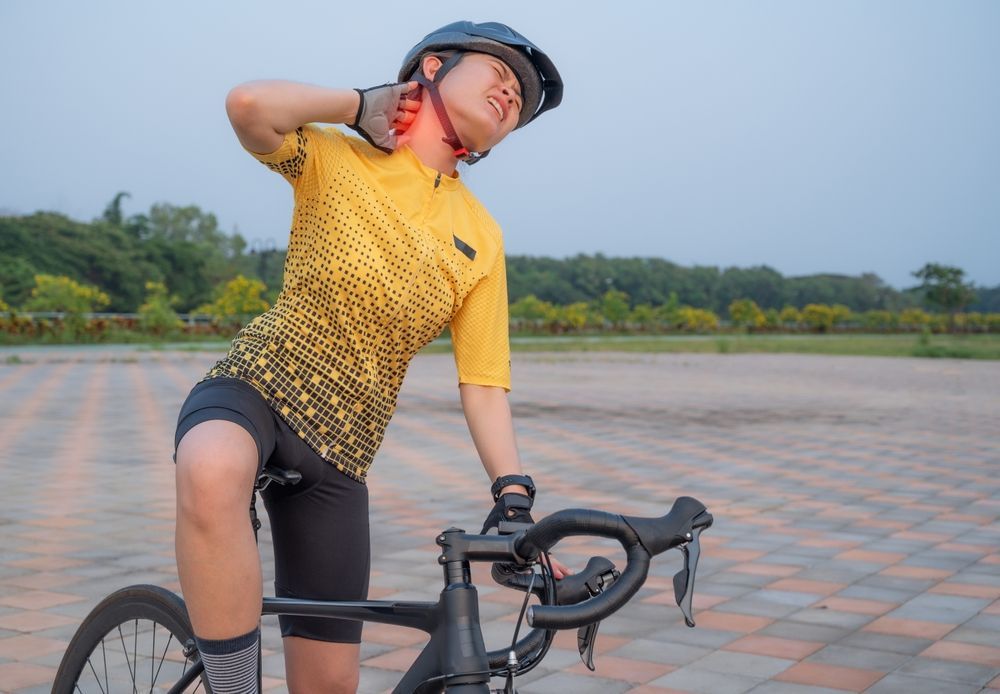
It's common for the neck and shoulders to become sore during longer rides, especially if you're spending hours looking up the road while leaning forward. A bike that's too long or handlebars that are positioned too low can increase tension through the upper body. Tight shoulders and poor posture off the bike can make the problem even worse.
Try relaxing your grip, keeping a slight bend in your elbows, and changing hand positions throughout the ride. Regular stretching and exercises that strengthen the upper back can also help reduce tension and improve endurance on longer rides.

Hand and Wrist Numbness While Cycling
Hand and wrist numbness is usually caused by prolonged pressure on the nerves in your hands rather than a problem with circulation. Supporting too much of your weight through the handlebars, locking your elbows, or gripping the bars too tightly can all contribute to tingling and discomfort.
Shift your hand position regularly during longer rides and keep a light grip on the handlebars. A bike fit adjustment, padded gloves, or changes to your handlebar setup may also help reduce pressure and keep your hands more comfortable over the course of a ride.
Foot Pain, Tingling, and Achilles Strain
Foot pain and tingling can result from shoes that fit too tightly, cleats that aren't positioned correctly, or pressure that builds during longer rides. Some cyclists also develop Achilles pain when their saddle is too high, forcing the ankle to stretch more with each pedal stroke.
Make sure your cycling shoes provide enough room without allowing your foot to slide around. Check that your cleats are properly aligned, and avoid making sudden increases in ride distance or intensity.
Stretching your calves and improving ankle mobility can also help reduce stress on the feet and Achilles tendon.
Saddle, Hip, and Groin Pain Solutions
Saddle discomfort can make it difficult to enjoy even a short ride. In many cases, bicycle groin pain is related to saddle height, tilt, or width rather than the amount of time you spend cycling. A saddle that doesn't properly support your body can place excess pressure on the hips and groin, leading to discomfort or numbness.
A professional bike fit can help ensure your saddle is the right size and positioned correctly. Wearing well-fitting padded cycling shorts, standing periodically during longer rides, and gradually increasing your time in the saddle can also improve comfort and reduce pressure.
When Cycling Pain Needs Physical Therapy
Some soreness after a challenging ride is normal, but pain that returns every time you ride, gets worse over time, or limits your performance shouldn't be ignored. A physical therapist can identify movement limitations, muscle imbalances, and strength deficits that may be contributing to discomfort. They can also work alongside a professional bike fit by addressing how your body moves both on and off the bike.
At Rock Valley Physical Therapy, we create personalized treatment plans to help cyclists
recover from injuries, improve mobility, and ride with greater comfort and confidence. No
physician referral is needed to get started. Find a Rock Valley Physical Therapy clinic near you and schedule an evaluation to keep doing what you love on two wheels.