

Hiking and Knee Pain: Tips to Being Pain-Free

September 23, 2024

Share this Article:

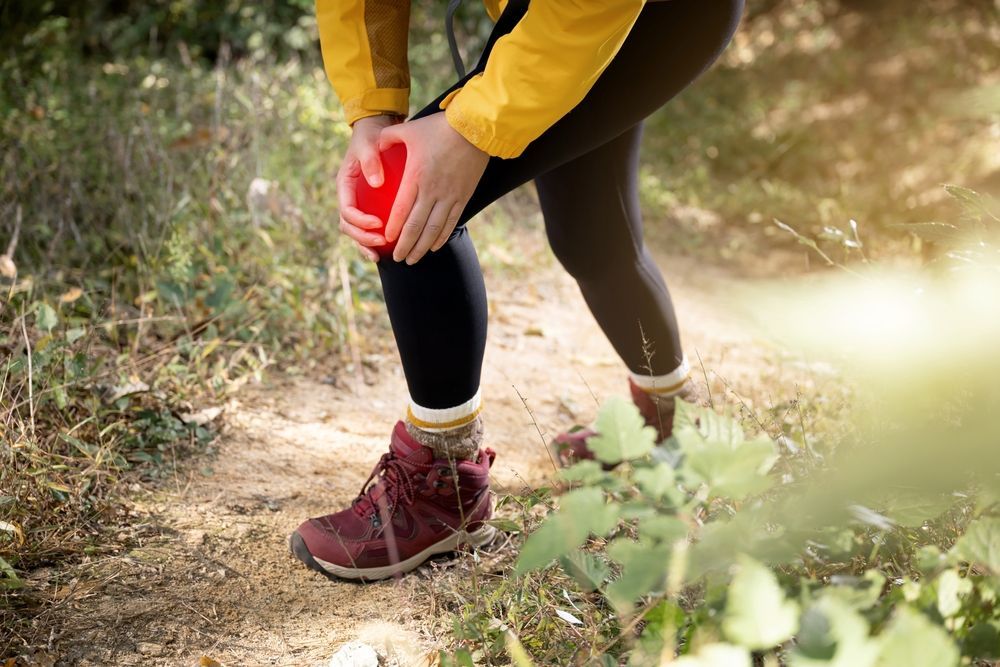
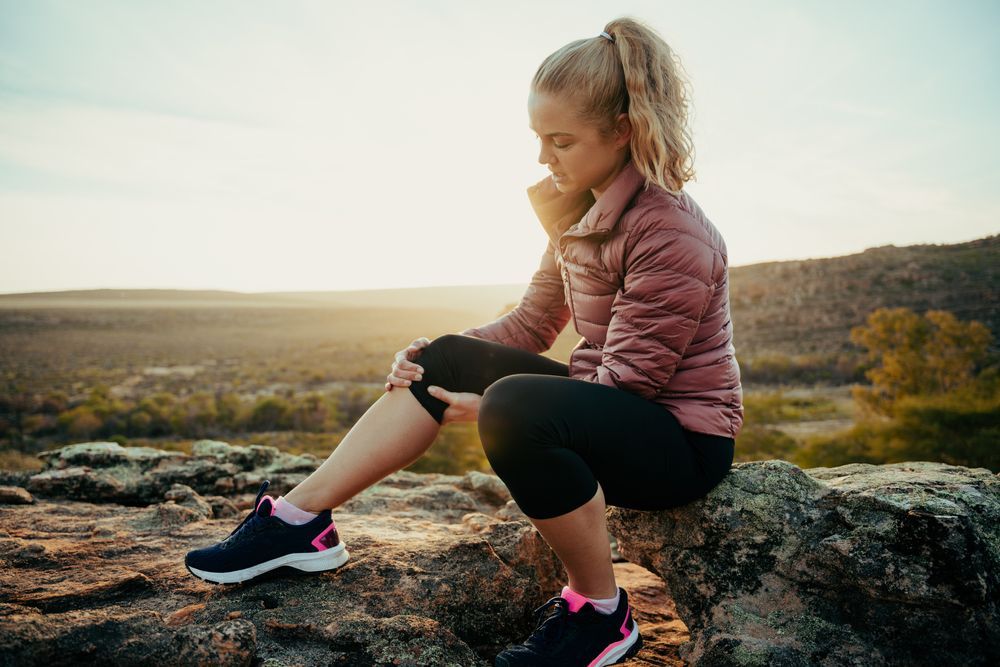
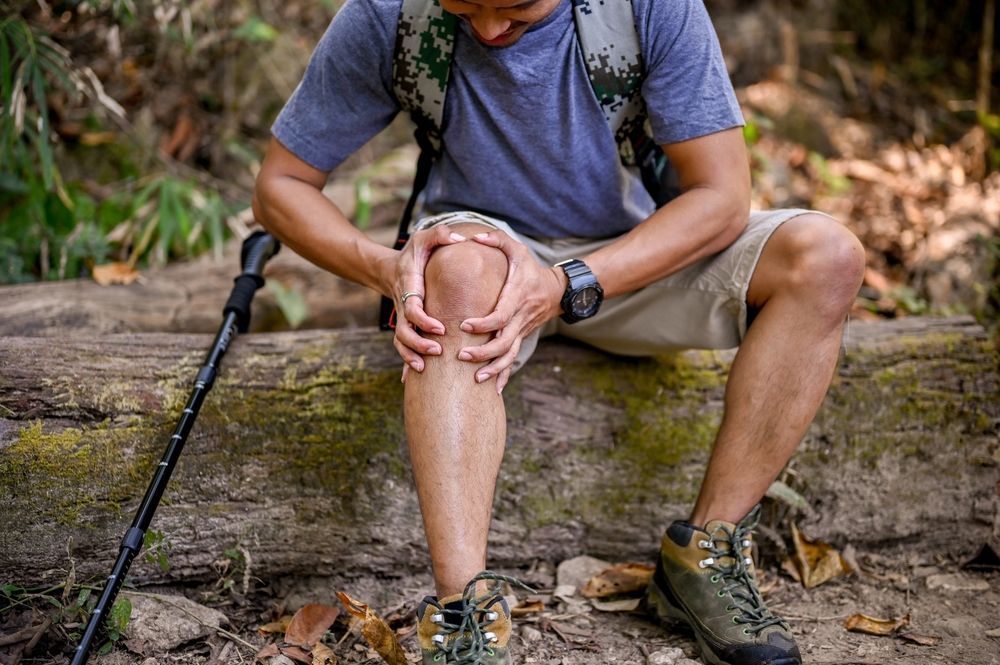
There’s nothing quite like the experience of hiking—the refreshing air, the sound of wildlife rustling in the woods, and the sight of a flowing creek can transform your outlook on life. However, all that can change when your knee starts to hurt. For many who experience knee pain while hiking, it can stop you in your tracks and may even keep you from doing what you love. Fortunately, help is available to minimize that pain.

Why Knee Pain Occurs While Hiking

It’s not uncommon to suffer knee pain while hiking. Some refer to it as hiker’s knee. Though several potential factors can contribute to this pain, it’s usually due to the knee’s weight-bearing hinge joint, which isn’t naturally designed to handle the climbing and pressure changes that hiking involves.


For example, walking up a hill can put up to three times your body weight in pressure on your knees. Even if you regularly work to improve joint health, that level of pressure—especially with frequent hiking—can lead to pain and discomfort.


Other causes of hiker’s knee include:


  • Ramping up your hiking too quickly: Doing too much too soon—whether it’s increasing your speed, distance, or duration—can strain and damage the knee.
  • Muscle weakness: If you experience pain at the front of your knee or behind your kneecap, weak muscles may be contributing to the issue.
  • Knee bursitis or tendonitis: These conditions can develop due to the onset of knee arthritis, adding to the discomfort.

Common Types of Knee Pain While Hiking

Hiking knee pain can occur in various areas of the joint and surrounding tendons and tissues. Consider the exact location of the pain you feel based on the following.


  • Pain under the kneecap: Persistent pain under the kneecap is often due to improper body positioning while walking and, potentially, the breakdown of the cartilage in your knee. Feeling knee pain while walking downhill is common here.
  • Pain above the kneecap: In some cases, you may have pain that feels like it is both above the kneecap and just below it. It’s often more sudden and sharp. This is often due to tendon inflammation, generally due to longer hiking routes.
  • Full knee pain: If your knee hurts everywhere, or you would describe that pain as severe, that’s likely due to an injury in the joint. If you’re just starting out hiking but have an old sports injury, it could be due to that as well.

Best Treatments for Hiker’s Knee and Other Knee Pain

If you have knee pain, the worst thing you can do for it is to ignore it. While prevention is always the best option for knee pain, there are a few steps you can take to see improvement in the function of your knee and a reduction in your pain.

Ice Therapy for Your Knees

Another helpful strategy is to use ice. Once you start to feel the ache in your knees, apply a cool compress to the area for 20 minutes. Take it off for 20 minutes, and then repeat the process. These steps help to reduce inflammation and may provide you with less pain in the long term.

Elevation

After a long hike, it’s a good idea to give your knees the rest they need. To reduce inflammation and encourage the flow of blood through this area, elevate your knee to a position just above your heart for 20 minutes or more. This helps to move fluid buildup throughout the area to get the joint working properly again.

Physical Therapy

One of the best ways to treat knee pain is with physical therapy. It’s an opportunity for your therapist to pay close attention to how the joint is operating and then create a treatment for correcting any concerns present. It’s a good idea to seek out physical therapy if you have persistent pain, knee pain that is limiting your desire to hike, or repeated instances of pain development.

How to Prevent Knee Pain While Hiking

Preventing hiking knee pain isn’t necessarily difficult, and it may be highly preferred over being limited on your walks. Consider these strategies to prevent knee pain while hiking.


  • Wear the right shoes. Not only do you need proper footwear solutions, but you also need to lace them up properly. That’s going to provide your knee with the stability you need with every step.
  • Warm-up and cool down. Hiking is a physical sport that requires good flexibility. With some simple warm-up stretching like you would do before a workout session, you can reduce some of the risk of injury.
  • Trekking poles can help. Trekking poles are not just for hard-to-climb terrain. They are an essential tool to improve balance and stability, and they ensure that, with every footstep, you have a bit more stress on that joint.

When to Seek Medical Attention for Knee Pain

Seeking out help for knee pain is beneficial as soon as it starts to develop. You can use preventative therapies like dry needling as a way to reduce inflammation from the onset, for example. That’s one way to reduce initial pain and spur healing.


If you have intense pain that came on suddenly and you cannot walk or put pressure on your knee, seek out a visit to urgent care. That type of pain may require support for torn ligaments or muscles.


Most people who develop routine hikers knee pain should work with a physical therapist early on. The sooner you seek out help, the less likely you are to struggle with the intensity of injuries. Physical therapists can often help you to reduce the risk of worsening and speed up the healing process.


Enjoy the Trails Again: Book Your Physical Therapy Evaluation Now!

Whether you know you have hiker’s knee or you’ve developed a new ache that you’ve never had before, seeking out help from a physical therapist is the best decision. Not only can the team at Rock Valley Physical Therapy reduce your pain, we may be able to help you improve your experience on the trails. Contact us now to schedule an appointment.

Connect With Us:

More Tips, Insights & Recovery Advice

Three people standing on a treadmill in a gym, with exercise equipment in the background.
By Kylie Williams • October 12, 2026
“I don’t know where I would be without Ashley (Schurr, PT, DPT, OCS, CSCS),’’ said Hendren, who used to regularly shoot his age in golf, has a hole-in-one to his credit, and also a perfect 300 game in bowling. “She has always been there to get me through whatever I am dealing with. It’s been a lot of years with Ashley

By ashley johnson • October 9, 2026
Most people assume physical therapy is something you only need after tearing a ligament, having joint replacement surgery, or waking up with a stiff neck. While PTs are great at those things, treating injuries is only half of what we do. Physical therapy is also one of the most effective, underused tools for preventative wellness. PT can help you move better, prevent chronic disease and help protect your health for decades to come. Exercise Is The Wonder Drug You Don’t Need a Prescription For We all know exercise is good for us. If physical activity were packaged into a single pill, it would be the most prescribed blockbuster medication on earth. The benefits of exercise are incredible: Improves your mood and mental clarity: Triggers natural endorphins and neurotransmitters that combat depression and chronic anxiety Protects against chronic illness: Drastically reduces your risk of cardiovascular disease, stroke, type 2 diabetes, and multiple types of cancer Improves immune function: Studies show regular moderate activity significantly lowers the risk of severe respiratory illness and hospitalization from viruses like COVID-19 Protects brain health: Staying physically active through midlife helps reduce the risk of cognitive decline and dementia Improves metabolic health and sleep: Helps regulate insulin sensitivity, blood pressure, and circadian rhythm But the CDC reports that fewer than a quarter of American adults meet the full federal benchmarks for aerobic and muscle-strengthening activity. Why is that? Because for many people, moving regularly hurts, feels overwhelming, or doesn't fit well into everyday life. That's where your physical therapist comes in. Physical Therapy Helps You For Life To stay active, you have to first be able to move comfortably and safely. Physical Therapists are doctoral-level experts in the human movement system. They'll evaluate your entire body to reduce pain, get you moving better, and help you find the best exercise routine for you. They can also work together with your broader healthcare team. Whether your physician has urged you to lower your blood pressure, manage cholesterol, or improve your HbA1c levels, your PT can design an exercise prescription to help with these goals safely, and without pain. Think of your physical therapist the same way you think of your primary care physician or dentist: someone you visit for regular check-ups, movement screenings, and prescription changes. As your body changes across different decades, or as your lifestyle shifts from training for 10Ks to keeping up with grandkids, your PT can help you stay pain-free, capable, and healthy. Aging is inevitable, but losing mobility, strength, and independence is not. You don't have to wait for pain to make an appointment with your PT. Whether you want to run your first 5K, get back in the gym safely, or maintain your mobility and independence, think of your physical therapist as your movement coach and lifelong partner.