
How You Can Achieve Pain Free Gardening Bliss

Share this Article:

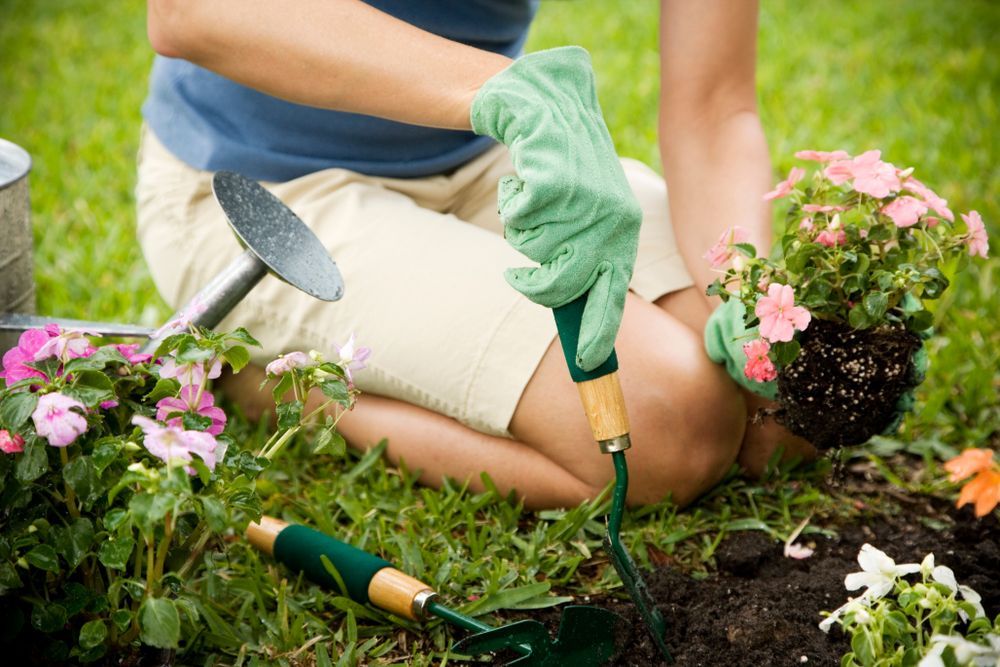
Experience Pain Free Gardening This Summer

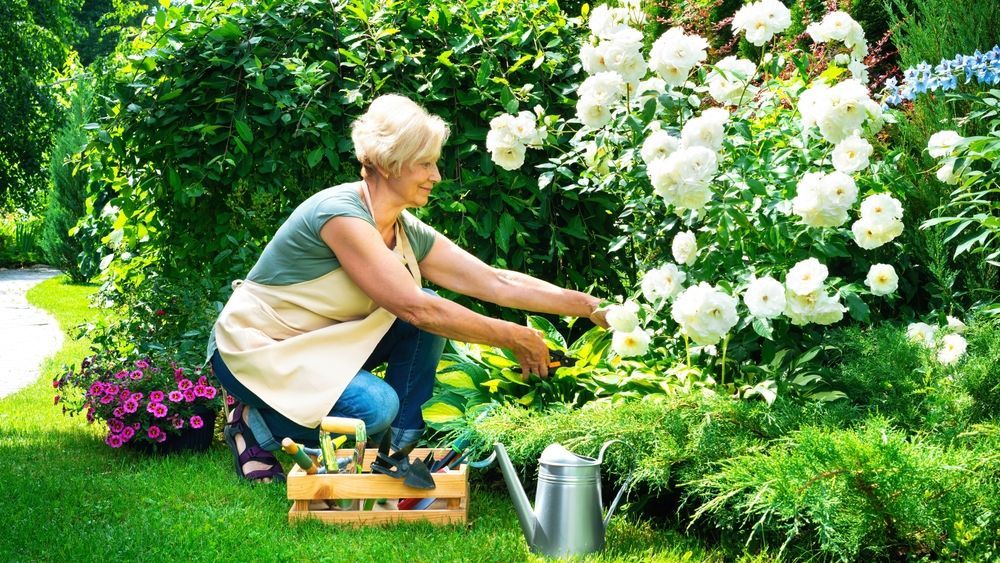
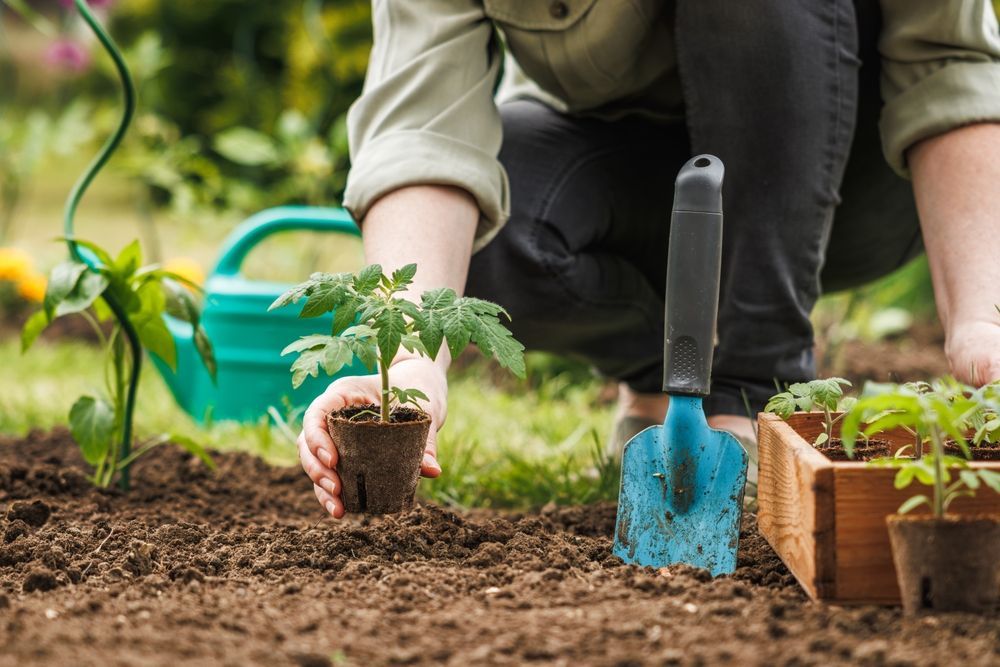
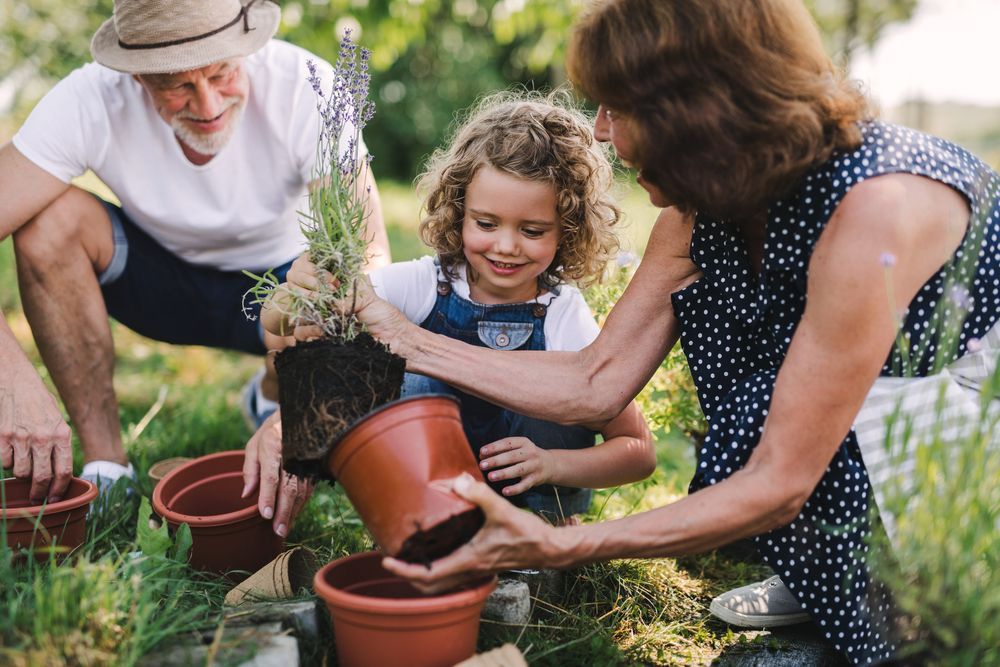
Gardening is a beloved pastime for many, offering both physical and mental benefits. However, for those dealing with joint pain or physical discomfort, it can become a challenging activity. Achieving pain-free gardening bliss this summer is possible with the right strategies. By incorporating proper techniques, using the correct tools, and following expert advice, you can minimize pain and maximize enjoyment in your garden. Whether you’re planting new flowers, weeding, or harvesting vegetables, taking proactive steps to protect your body will ensure you can continue to enjoy your gardening hobby without the associated aches and pains.

1. Warm Up Before Gardening

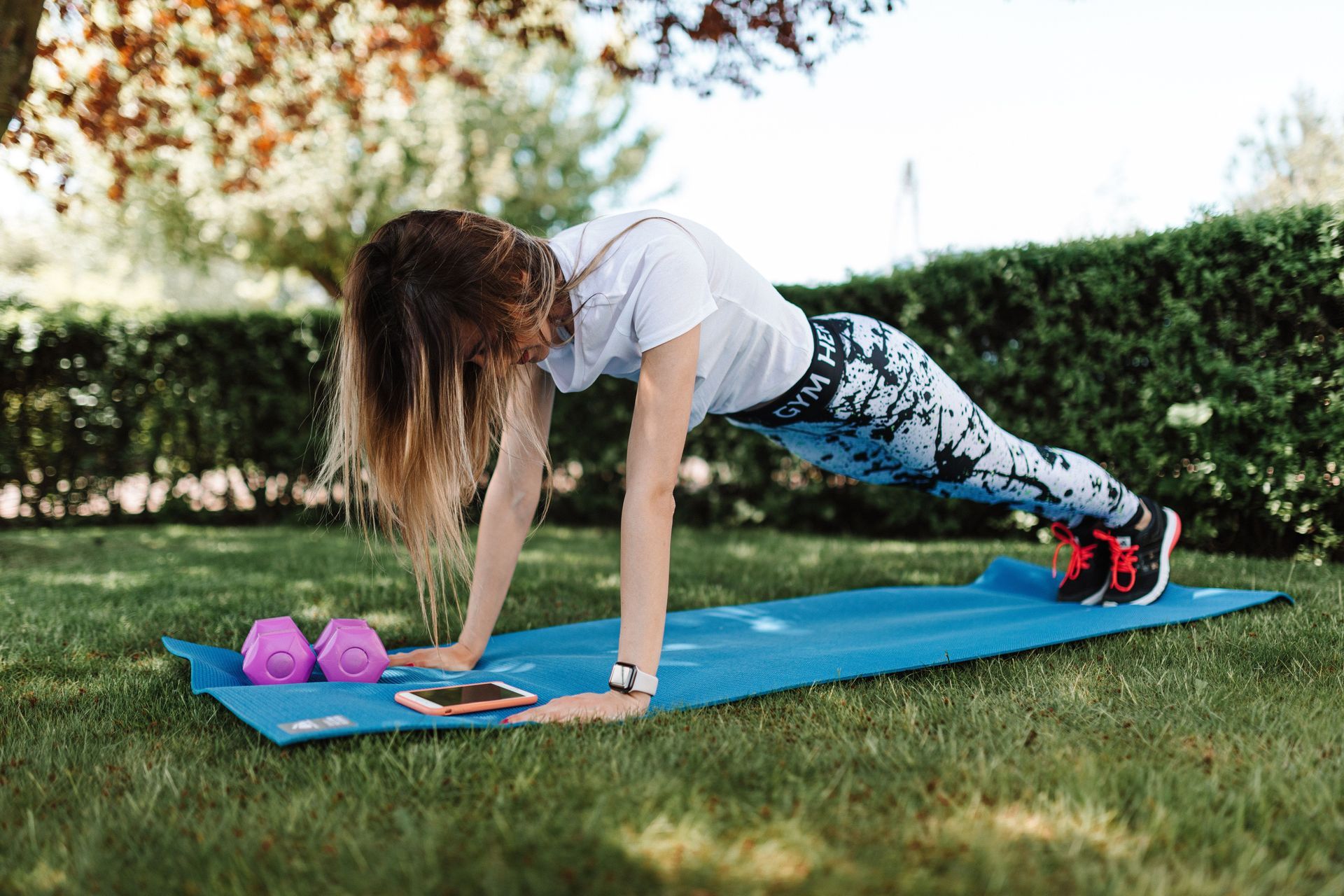
Before diving into your gardening tasks, it’s essential to warm up your body to prevent injuries and reduce strain on your muscles and joints. Take a few minutes to walk around your garden to get your blood flowing and loosen up your muscles. Simple movements like arm circles, gentle twists, and leg swings can also help prepare your body for the physical activity ahead.


Warming up before you do any gardening does the following for your body:


  • Brings more oxygen to your muscles
  • Gives your core body temperature a boost
  • Reduces your risk of injuries

2. Exercise Your Arms, Back, & Knees

Working in a garden takes more of a toll on certain parts of your body. But you can make sure the muscles in those areas are ready to work out with targeted exercises. 


Focus on stretching muscle groups in your back, arms, and knees, such as:


  • Lower back
  • Upper back and shoulders
  • Gluteal muscles, quadriceps, and hamstrings for your knee joints
  • Upper arms
  • Wrists and hands

3. Invest in Proper Gardening Equipment

Knowing how to garden pain free involves using the right equipment. This can help prevent you from straining — or tearing — muscles and other soft tissue. Need to move heavy amounts of soil around? Let a wheelbarrow handle all that weight for you!


Other kinds of equipment to consider using for gardening include:


  • Gardening kneelers for better knee support
  • Weeders and other tools to loosen and pull weeds — instead of using your hands and arms
  • Ergonomic shovels with long handles to reduce back strain


The right equipment can help you get a good gardening workout — without lingering aches and pains!

4. Ensure Ease of Access to Your Gardens

Is it easy for you to enter, move around, and exit your gardens? Can you easily reach plants and flowers? Having to navigate hard-to-reach areas can make gardening more challenging. Your muscles could end up getting too much of a workout, resulting in strain or wear and tear.


A few ideas for making sure your gardens are accessible include:


  • Using raised beds for less bending and kneeling
  • Setting up railing planters
  • Using hanging baskets and tabletop planters
  • Making pathways through larger gardens
  • Using drip irrigation or keeping your garden hose handy for easy watering

5. Be Sure to Hydrate

Your plants aren’t the only ones who need water. You also need to stay hydrated! Gardening can be tough on your muscles. When your body’s dehydrated, that can lead to even more muscle soreness.


Keep a bottle of water with you, so you can take sips from time to time. Working on a hot, sunny day? It’s even more important to make sure you get enough hydration! Drinking water helps make up for the moisture your body loses while you sweat.

6. Use Proper Lifting Techniques

Pain-free gardening involves knowing the right way to lift, so you know what to do — and what not to do. Lifting the wrong way can quickly lead to torn muscles or other injuries. And that kind of damage can put you at a higher risk of having chronic pain.


Remember to use your wheelbarrow and other equipment to reduce having to lift as much as possible. But sometimes, you can’t avoid it. You may need to lift a big bag of soil. Or you might need to move a big potted plant to another spot.


No matter what you’re lifting while gardening, use all of the following tips to make sure you’re doing it right.

Lift With Your Legs, Not Your Back

Don’t rely on your back muscles to do heavy lifting — or any lifting! Instead, let your leg muscles do all the work.


  • Keep your feet flat on the ground about shoulder-width apart
  • Keep your back perfectly straight as you bend your knees and reach for the object you’re lifting


Lift Slowly

Don’t rush to pick up a heavy object. Doing that can damage your muscles, ligaments, or tendons. When you’re holding the object with both hands, take your time standing up straight again.


Lifting heavy items slowly helps reduce strain on your knees — lowering your risk of injuries. What if an object is so heavy that you can’t lift it slowly? That means you should ask someone to help you or use equipment to make lifting easier.


Carry As Close to Your Body as Possible

Lifting up a heavy object means you’ve won the first battle, but now you need to carry it safely to its new location. Holding the item away from you puts more strain on your muscles, especially in your arms and back.


Keep the object close to you while you carry it instead. This helps prevent added tension that can lead to muscle injuries.


Avoid Twisting Your Waist While Carrying Heavy Objects

Just as you keep your back straight while lifting, you should do the same while carrying heavy gardening supplies. Holding your spine straight helps distribute weight more evenly — protecting you from injuries. Twisting or turning your back when carrying a heavy object can result in torn or damaged muscles.


Already Experiencing Pain? Let Us Get Your Gardening Season Back on Track

Have you been putting off working in your garden due to ongoing pain? We can help! Rock Valley Physical Therapy offers several services, including physical therapy, occupational and hand therapy — and more! Contact us to request an appointment at our nearest office for patient-first care with a personalized approach.

Connect With Us:

More Tips, Insights & Recovery Advice

Man standing in front of Rock Valley Physical Therapy sign in a blue-walled office lobby.
By Kylie Williams June 10, 2026
“Max has been the best physical therapist I have had,’’ she said. “He sincerely listened to what I had to say and was knowledgeable when I asked him questions. He continually asked how the exercises and treatments were feeling. He knew the pain I was in because by surgery time, I could barely walk, sit, or sleep."
By ashley johnson June 4, 2026
We often think of physical therapy as something we only need after a sports injury or a surgery. While PTs are certainly experts in fixing knees and backs, their role in your health goes much deeper. In fact, one of the most important muscles a physical therapist can help you strengthen isn't in your leg or your arm, it’s your heart. Heart disease remains the leading cause of death globally. According to recent data from the American Heart Association, someone in the United States dies of heart disease every 34 seconds. The good news? A lot of cardiovascular disease is preventable through lifestyle changes, with regular movement being one of the most powerful medicines out there. The Challenge of Getting Started Current health guidelines recommend that ad ults get at least 150 minutes of moderate-intensity aerobic activity per week. H owever, for many, that goal feels out of reach. Maybe you want to start walking or cycling, but an old nagging injury flares up every time you try. Or it could be the fear of "doing too much" after a health scare that keeps you on the couch. This is where physical therapy becomes your heart's best friend! How a Physical Therapist Supports Your Heart A physical therapist is a movement specialist. They don't just look at a painful joint, they look at how your whole body moves and how your heart and lungs respond to that movement. Here is how they help you go from staying still to getting active: Before Activity: Before you start a new exercise routine, a PT can assess your balance, strength, and cardiovascular response. This makes sure you start at a level that is challenging enough to strengthen your heart but safe enough to avoid burnout or injury. Overcoming Pain: Many people stop exercising because of joint pain. A PT identifies the root cause of that pain, whether it’s a weakness in the hip causing knee pain or poor posture affecting your breathing, and provides a plan to fix it so you can keep your heart rate up without the aches. Recovery and Beyond: If you have experienced a major health event like a heart attack, stroke, or are undergoing cancer treatment, exercise is vital but can be intimidating. Research highlights that supervised exercise programs led by PTs significantly reduce fatigue and improve quality of life for people recovering from complex medical conditions. Managing Chronic Conditions: Physical therapy is increasingly used to help manage conditions that affect the heart indirectly, such as Type 2 diabetes and high blood pressure, by creating sustainable, low-impact movement plans. Movement is Medicine You don’t need to be a marathon runner to improve your heart health. Brisk walking, swimming, or even gardening can make a massive difference. The key is consistency and safety. If you’ve been hesitant to get moving, or if pain is standing in your way, consider a physical therapy evaluation. Your PT can help give your heart the support it needs to keep you moving for years to come.