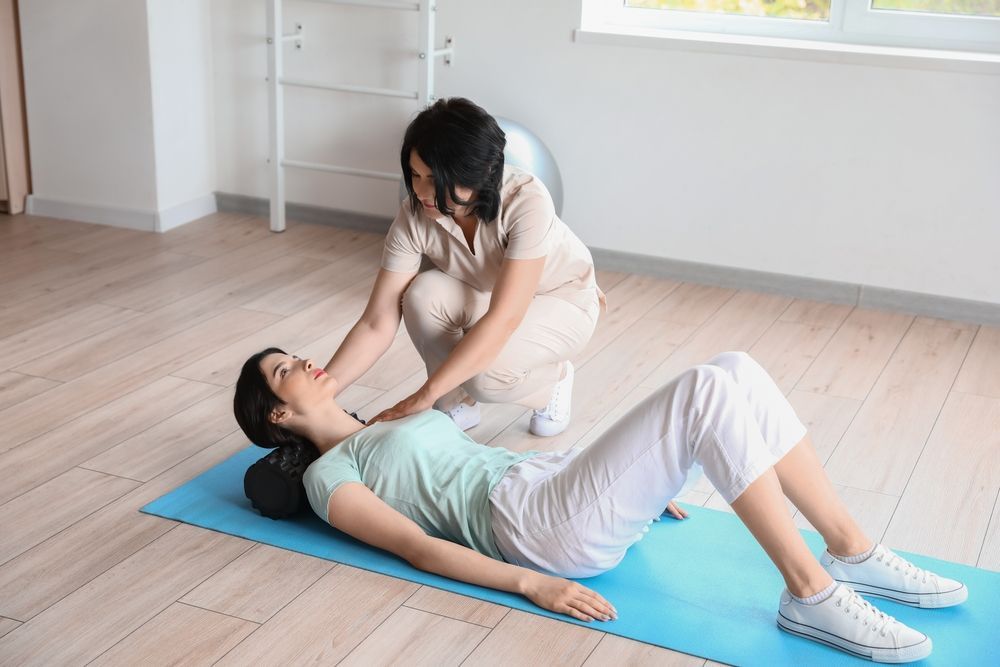
Quick Facts About Physical Therapy
1. Roots of the physical therapy profession began thousands of years ago.
Does it surprise you to learn that physical therapy isn’t new? The Greek philosopher, Hippocrates, began using techniques that birthed physical therapy in the year 435 B.C.
2. Women were the pioneers of physical therapy in the United States.
Physical therapy was officially recognized as a profession during World War I when female civilian employees of the U.S. Army were tasked with rehabilitating injured soldiers using primarily massage techniques. They were called reconstruction aides or re-aides and were assistants to physicians rather than today’s autonomous profession.
Can you imagine your physical therapist working in a skirt? That was the challenge for the first physical therapists in the U.S.
Marguerite Sanderson directed the first reconstruction aides at the Division of Physical Reconstruction. She led the political battle for proper uniformed attire by presenting her case to Senators and Congressman about the practicality of allowing reconstruction aides to work in uniformed bloomers rather than skirts — and lost.
In 1918, Mary McMillan became the first reconstruction aide and went on to develop the Physiotherapy Department at Walter Reed General Hospital. But the program was dismantled when the war was over.
After the war ended in 1921, she and her colleagues formed the American Women’s Physical Therapeutic Association. McMillan was nominated president and is now known as the “mother of physical therapy.”
Currently, 70% of physical therapists are women in the U.S., with more men are joining the profession.
3. Physical therapists were called “sjukgymnasts” in Sweden until 2014.
Sjukgymnasts means “someone involved in gymnastics for those who are ill.” In 1813, Per Henrik Ling, the “father of Swedish gymnastics,” founded the Royal Central Institute of Gymnastics. There, he instituted a system of exercises, manipulation, and massage for gymnasts, which is where the title “sjukgymnast” originated.
4. You can get physical therapy in many settings, even a swimming pool!
Physical therapy was only provided in hospitals until the 1950s, but now you can receive physical therapy in many settings — even a warm water pool!
Aquatic Physical Therapy utilizes the benefits of warm water properties to reduce pain, improve range of motion, and build strength, endurance, and balance.
Physical therapy is also offered in the comfort of your home through a home visit or telehealth.
5. Physical therapy is for children too.
Adults aren’t the only ones who benefit from the fun aspect of physical therapy. Many kinds of play are incorporated into physical therapy for kids who also suffer from conditions that limit their ability to enjoy their lives fully. Some of these conditions include:
- Autism
- Cerebral palsy
- Developmental delays
- Down Syndrome
- Pain
- Spinal cord injuries
- Traumatic brain injuries
6. Physical therapy is available through telehealth.
Telehealth is when your healthcare provider uses telecommunications technologies such as secure computer networks and phones to provide you with long-distance clinical health care.
In the current COVID-19 pandemic climate, increasingly more physical therapy providers are offering services through telehealth for your safety and the safety of their staff. During your telehealth visit, you can discuss successes and challenges with your therapist. Your therapist can also evaluate your exercise form and progress and make adjustments to your treatment plan where needed.
7. October is National Physical Therapy Month.
Each October, since 1992, the American Physical Therapy Association reaches out to the world to raise awareness about the benefits of physical therapy for your health.
8. Physical therapists are highly trained.
Since 2015, anyone pursuing a career in physical therapy requires a doctoral degree in the U.S., which has more than a quarter-million physical therapists. They can even operate independent therapy practices.
Physical therapists receive extensive training in neuroscience, biomechanics, anatomy, physiology, pharmacology, and much more, so they are equipped to evaluate and treat patients.
9. Physical therapy can treat pain in limbs that have been removed.
About 80% of patients who have a limb removed experience an unpleasant sensation in the limb that has been amputated. This discomfort is known as “phantom pain,” and it can become so painful that it’s completely disabling.
Physical therapists can incorporate several treatment modalities to provide patients with relief from phantom limb pain.
10. Physical therapy can treat more than your back pain.
People often think of back injuries when they think of physical therapy. But physical therapy treats many conditions, including:
- Injuries and injury prevention
- Post-surgical recovery
- Dizziness
- Jaw Pain
- Chronic headaches
- Autism
- Inner ear dysfunction
- Concussions
- Urinary incontinence
- Parkinson’s
- Illnesses such as diabetes
- Generalized pain disorders
Keep in mind that you don’t have to be in pain to see a physical therapist. Not only does physical therapy treat existing conditions, but it also helps you improve your health by allowing you to live a life that is as mobile and pain-free as possible through prevention.
Physical therapy increases your strength and prevents future injury by utilizing conservative treatments such as exercise and massage combined with education so you can continue with — or return to — the activities that bring you joy.
Rock Valley Physical Therapy
At Rock Valley Physical Therapy, we see you holistically. As an individual, we see you and incorporate your lifestyle and goals to form a creative treatment plan designed just for you. We include education all along the way, so you are always informed and involved in your care. Contact us today for an appointment to get started on your path to your best health.