

Aquatic Therapy Benefits Explained

Share this Article:

Does the thought of exercising in water sound like a good way to get fit and improve your physical mobility? For some, it is. Aquatic therapy benefits are numerous, and while programs differ to meet the unique needs of the individual, they often provide significant improvement without added stress on the body.

What Is Aquatic Therapy?

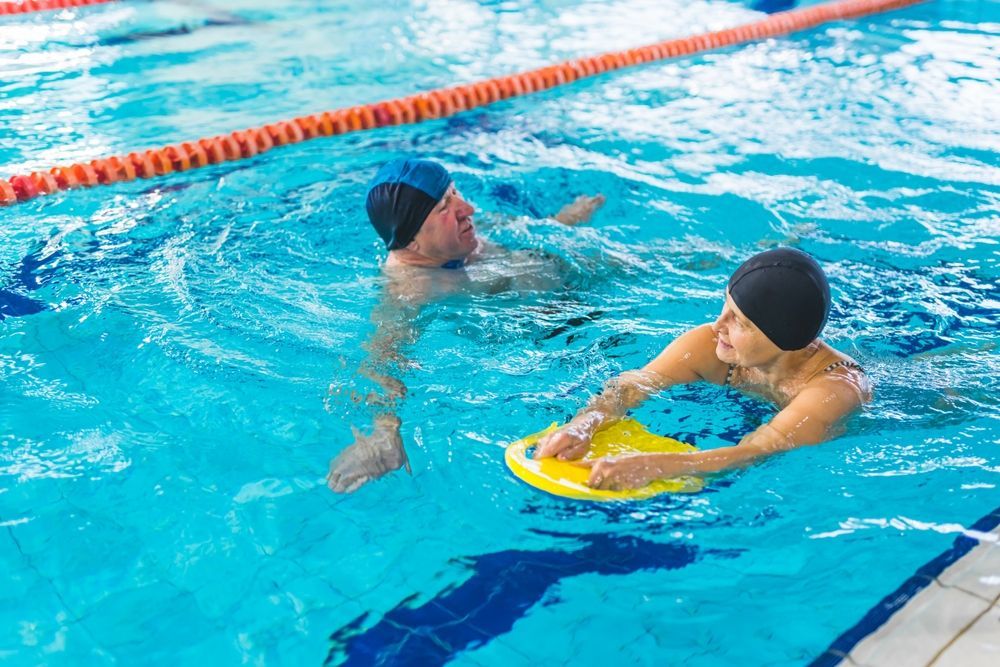
Aquatic therapy is a type of exercise and physical therapy process that is performed in the water. It can be done for relaxation but also can help with rehabilitation, exercise, fitness, and other reasons. In aquatic therapy, many areas of the body can be worked on, including the arms, legs and back,, as well as overall improvement of the body’s tone and muscles.


You’ll work closely with a physical therapist or physical therapist assistant who will help you to develop the best treatment or workout for your needs. Your therapist will also determine if this type of therapy is best for you. It may benefit some people pre-operatively to improve range of motion and strength, and may encourage weight loss prior to procedures. People recovering from surgery may be able to incorporate aquatic therapy over time after the wound has healed. 

Benefits of Aquatic Therapy

Don’t put off seeing a physical therapist for your recovery. When you do, and aquatic therapy is a good choice for you, you could see numerous benefits over time. The benefits of aquatic therapy could differ for you based on what your needs are and the type of therapy best suited for your needs. Here are some of the advantages this can bring to you.

Pain Reduction

Movement on solid surfaces, like running on a track, creates shockwaves with every impact of your foot. That does not happen in the same way with aquatic therapy. That’s one of the best quality therapy benefits.


The buoyancy of water itself helps to reduce the stress on weight-bearing joints and muscles. After a workout in the pool, you may not have as many aches and pains, for example, in your knees or back, from the workout. Often, this type of therapy also can reduce the overall pain you have and muscle spasms. Do not be surprised by delayed onset muscle soreness due to fatigue from exercise. 


Aquatic therapy safely paired with a home program and continuing to move rather than sit all day, can provide you with faster results because you are not straining those muscles and joints. Some soreness after exercise should always be expected. Also, there’s research to indicate that this type of therapy can help to reduce pain because the constant stimulus from the water helps to shut down the pain signals.


Also, hydrostatic pressure may help to reduce inflammation and pain brought on by edema and swelling. That can help to reduce pain for many people facing these conditions.


Enhanced Range of Motion

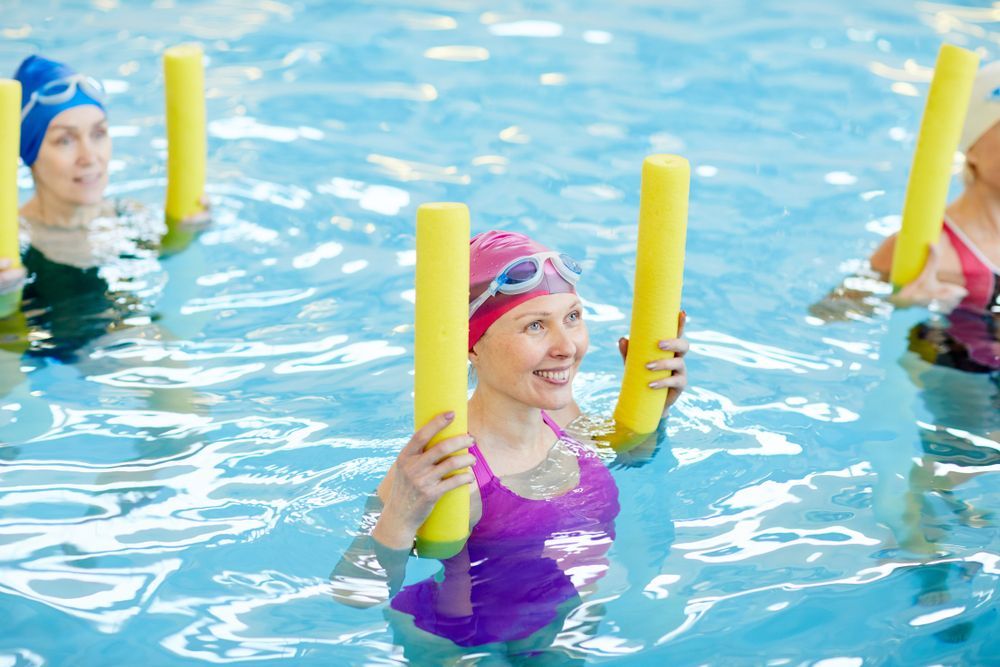
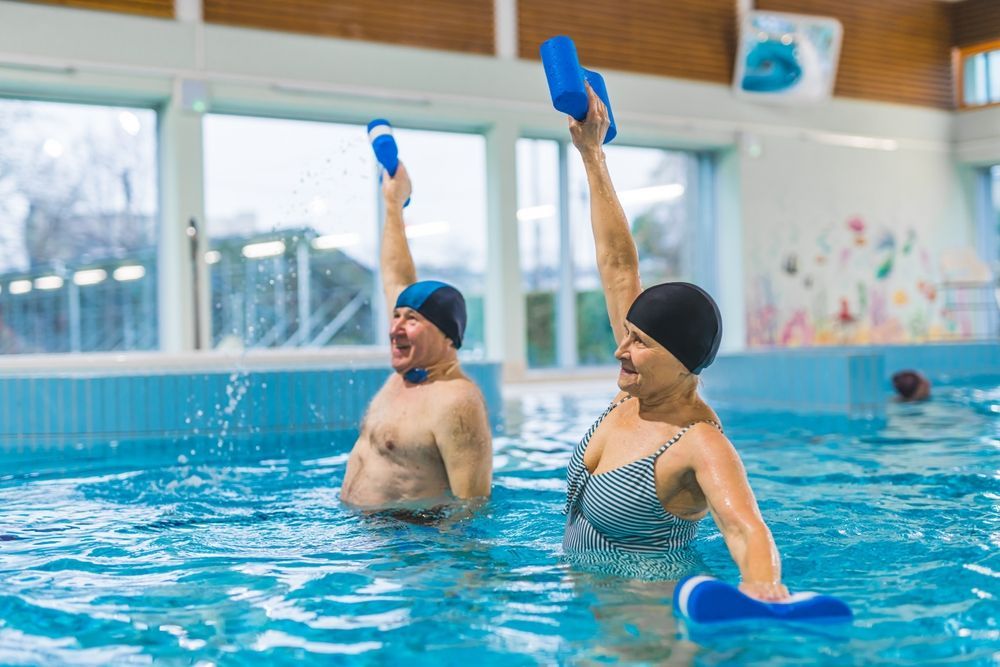
Exercise in the water may not seem like it is an intense workout, but it can provide you with some of the best ability to improve your range of motion. That’s because the water itself acts as a resistance, working against your muscles, joints, and tendons as you move. The water itself, then, helps to build strength.The buoyancy can also assist with range and flexibility. Using various types of equipment, like noodles or dumbbells can help with strengthening and range of motion. Over time, this also leads to improved flexibility.


As your body gets stronger and more flexible thanks to these types of exercise, your range of motion can improve. That could mean bending and twisting become easier. It may also mean that you can develop a better ability to walk confidently and transition to a land based exercise environment because you need to be able to function on land.


Supportive Cardiovascular Fitness

Your heart health is critical to your overall wellbeing. It plays a role in your ability to heal and in physical therapy sessions themselves. Many people see benefits to their cardiovascular health by investing in aquatic therapy. Aquatic therapy exercises are performed at a higher intensity than what you could do on land. For example, you may be able to swim longer than you would be able to run. The resistance from the water, because of viscosity, also helps to require more effort, making your heart work harder to achieve your goals. This is also beneficial to physical therapy because we’re reducing the stress load on those muscles and joints.


Over time and with consistency, many people see improvements in their cardiovascular fitness using this therapy method that directly supports their physical therapy outcomes. You’ll need to be approved for it, especially if you have any type of heart-related health condition. Yet, many people report that a workout in the water is easier and more enjoyable than doing the same thing on a treadmill.


Improved Balance and Coordination

There are many benefits of physical therapy. One of them for some people is improved balance and coordination, and aquatic therapy can help you hit that goal. The water’s resistance and instability can help improve balance and coordination. A combination of both working on land and in water can help to create this type of significant improvement. 


Your body and brain must work together to see this improvement, which means you’ll be working to build better brain-muscle connections. Many people with neurological conditions and those recovering from an injury can see this benefit.


Another of the aquatic therapy benefits associated with balance and coordination comes from building your confidence. The buoyancy of water and the uniform pressure it offers helps to give you more time to react to movements. That means you are less likely to feel like you are falling. Because you feel less likely to get hurt, you’re more confident in your movements, which ultimately helps to build your strength to create balance and coordination in day-to-day tasks.


Decreased Risk of Injury

In the water, you are less likely to get hurt. For many people, the thought of seeking out physical therapy as they recover from an injury or heal from an illness is scary because they are worried about pushing too hard or suffering an injury that sets them back further.


The good news is that water minimizes that risk. It provides a safe and controlled environment. There is less risk that you will be hurt while exercising here than if you were running a lap in a gym or lifting weights. Even if you’re worried about getting started with exercise and physical therapy, in the water, you’ll be safer.


Delayed onset muscle soreness, a condition sometimes called muscle fever, often feels like sore and aching pain, which often occurs when a person is engaging in activity that is new or less common for them. It’s brought on by inflammation and muscle damage. With physical therapy in the water, it’s less likely to be significant. That means you’ll even feel good after a session.

How to Get These Benefits of Aquatic Therapy

Rock Valley Physical Therapy is dedicated to working closely with our clients to create a safe and effective environment for recovery from injury or illness. Aquatic therapy is one of the many services we offer to do that. We go the extra mile. We’ll be there in the water to help you develop a successful physical therapy plan to address each one of your needs. Contact us today to learn more about treatment options for you.

Connect With Us:

More Tips, Insights & Recovery Advice

By ashley johnson June 4, 2026
We often think of physical therapy as something we only need after a sports injury or a surgery. While PTs are certainly experts in fixing knees and backs, their role in your health goes much deeper. In fact, one of the most important muscles a physical therapist can help you strengthen isn't in your leg or your arm, it’s your heart. Heart disease remains the leading cause of death globally. According to recent data from the American Heart Association, someone in the United States dies of heart disease every 34 seconds. The good news? A lot of cardiovascular disease is preventable through lifestyle changes, with regular movement being one of the most powerful medicines out there. The Challenge of Getting Started Current health guidelines recommend that ad ults get at least 150 minutes of moderate-intensity aerobic activity per week. H owever, for many, that goal feels out of reach. Maybe you want to start walking or cycling, but an old nagging injury flares up every time you try. Or it could be the fear of "doing too much" after a health scare that keeps you on the couch. This is where physical therapy becomes your heart's best friend! How a Physical Therapist Supports Your Heart A physical therapist is a movement specialist. They don't just look at a painful joint, they look at how your whole body moves and how your heart and lungs respond to that movement. Here is how they help you go from staying still to getting active: Before Activity: Before you start a new exercise routine, a PT can assess your balance, strength, and cardiovascular response. This makes sure you start at a level that is challenging enough to strengthen your heart but safe enough to avoid burnout or injury. Overcoming Pain: Many people stop exercising because of joint pain. A PT identifies the root cause of that pain, whether it’s a weakness in the hip causing knee pain or poor posture affecting your breathing, and provides a plan to fix it so you can keep your heart rate up without the aches. Recovery and Beyond: If you have experienced a major health event like a heart attack, stroke, or are undergoing cancer treatment, exercise is vital but can be intimidating. Research highlights that supervised exercise programs led by PTs significantly reduce fatigue and improve quality of life for people recovering from complex medical conditions. Managing Chronic Conditions: Physical therapy is increasingly used to help manage conditions that affect the heart indirectly, such as Type 2 diabetes and high blood pressure, by creating sustainable, low-impact movement plans. Movement is Medicine You don’t need to be a marathon runner to improve your heart health. Brisk walking, swimming, or even gardening can make a massive difference. The key is consistency and safety. If you’ve been hesitant to get moving, or if pain is standing in your way, consider a physical therapy evaluation. Your PT can help give your heart the support it needs to keep you moving for years to come.
Panel discussion at a brewery with four speakers seated on stools beside large stainless steel tanks
By Kylie Williams May 22, 2026
“Over the years I have had the opportunity to run races all across this country, and I can honestly say that the (TBK Bank) Quad Cities Marathon is one of the best; without a doubt,’’ continued Fleener, one of life’s truly good souls.  “And the reason is simple. It’s the people. The people in this room, the sponsors,