




Managing Back Pain While Traveling

September 18, 2025

Share this Article:

Travel can be exciting, but for those dealing with back pain, it often adds extra stress. Long hours in cars, planes, or poor-quality hotel beds can turn minor discomfort into a lingering issue. The good news is that there are simple ways to reduce pain and protect your back while on the go. With a few adjustments to your habits and routine, you can stay comfortable during your trip and enjoy the experience.

Prepare Your Body and Itinerary Before You Go

Planning ahead can make a big difference when traveling with back pain. A few weeks before your trip, start including more movement in your daily routine. Walking, stretching, and light strengthening exercises can help your body handle the physical demands of sitting, lifting, or walking longer distances. If you’re already dealing with soreness, working with a physical therapist before you leave can help ease pain and improve mobility.


It also helps to look at your itinerary through the lens of comfort and flexibility. Avoid booking long travel days without any downtime. Give yourself space in the schedule to stretch, take a short walk, or rest in a supportive chair. If you have a long flight or drive coming up, think ahead about where and when you’ll take breaks.


Your travel experience feels smoother when your body is prepared for it. Simple adjustments to your schedule can go a long way toward managing discomfort and protecting your back.


Choose Luggage That Protects Your Back

The type of luggage you bring can have a direct impact on how your back feels throughout your trip. Heavy or poorly balanced bags increase the strain on your spine, especially when lifting them in and out of cars or overhead compartments. A suitcase with four wheels is often easier to handle and allows for upright movement, which helps reduce stress on your lower back.


Backpacks are a better option than one-shoulder bags, especially when they’re worn correctly. Look for padded straps and adjust the fit so the weight sits evenly across your back. Avoid overpacking, and keep heavier items close to your center of gravity.


When lifting bags, bend at the knees, keep your chest upright, and avoid twisting your torso. Many travelers hurt their backs in the process of lifting or reaching in awkward positions, especially if they’re still dealing with an injury from a past fall that never fully healed. Taking a few extra seconds to lift properly can make a significant difference in how your back feels during and after your trip.

Use Proper Support While Sitting for Long Periods

Long flights, car rides, and train trips can all take a toll on your back, especially if you’re sitting without the right support. Many standard seats lack the structure your spine needs, which can lead to slouching, muscle fatigue, and increased pressure in the lower back.


Placing a small pillow or rolled-up sweatshirt behind your lower back helps maintain a more natural position. Sit upright with your hips and knees level, feet flat on the floor, and avoid crossing your legs for extended periods. A slight recline may reduce pressure, but too much can lead to stiffness.


Engaging your core muscles now and then during long sitting periods can give your spine the support it needs. Even light tension through your midsection helps reduce the load on your back. Paying attention to your posture throughout the trip can limit soreness and make long hours in transit feel more manageable.

Take Frequent Breaks to Move and Stretch

Sitting for long periods without changing position can cause muscles to tighten and pressure to build in the spine. One of the most effective ways to manage back pain while traveling is to include regular movement throughout your day. Even a few minutes of walking or stretching can help improve circulation and ease discomfort.


During road trips, plan to stop every hour or two. Step out of the car, take a short walk, or do a few gentle movements to keep your joints flexible. At airports or stations, use extra time before departure to stay on your feet instead of sitting at the gate. On flights, stand up occasionally or shift your position to avoid stiffness.


These small breaks help your muscles stay active and allow your spine to recover from extended sitting. Making movement part of your travel routine supports better comfort and reduces the risk of soreness that can build up during long trips.


Incorporate Gentle Stretches Into Your Travel Routine

Stretching during travel helps reduce stiffness, improve blood flow, and keep your back muscles more relaxed. You do not need an intense or lengthy routine. A few simple stretches, done regularly, can make a noticeable difference in how your body feels during and after your trip.


Focus on movements that gently target your lower back, hips, and hamstrings. Try standing tall and reaching toward your toes, pulling one knee toward your chest while lying down, or leaning into a wall with one leg extended behind you to stretch the hip flexors. These can be done at a rest stop, in a hotel room, or before getting into the car.


Making stretching part of your travel routine helps your body stay flexible and alert. Even a few minutes each day can reduce soreness and improve comfort. Stretching is most effective when paired with walking or other light movement, especially after sitting for long periods.

Know When to Reach Out to a Physical Therapist

Back pain that lingers during or after travel may be a sign of something more than simple fatigue. If discomfort sticks around or keeps coming back during trips, a physical therapist can help identify the cause and recommend a plan to address it.


Physical therapy supports better movement, strength, and posture. A personalized plan can help reduce stiffness, correct alignment issues, and improve how your body handles long periods of sitting or walking. Some people benefit from starting therapy before travel, while others find support helpful after returning home.


You don’t have to wait for the pain to get worse. Early treatment can make a meaningful difference. A short course of therapy can ease discomfort, improve mobility, and help you feel more prepared for your next trip. Travel should be enjoyable. When your back feels strong and supported, it becomes easier to focus on the experience instead of the discomfort.


If back pain has made travel more difficult, Rock Valley Physical Therapy is ready to help you move forward comfortably and confidently. Schedule an appointment today, no referral needed!

Connect With Us:

More Tips, Insights & Recovery Advice

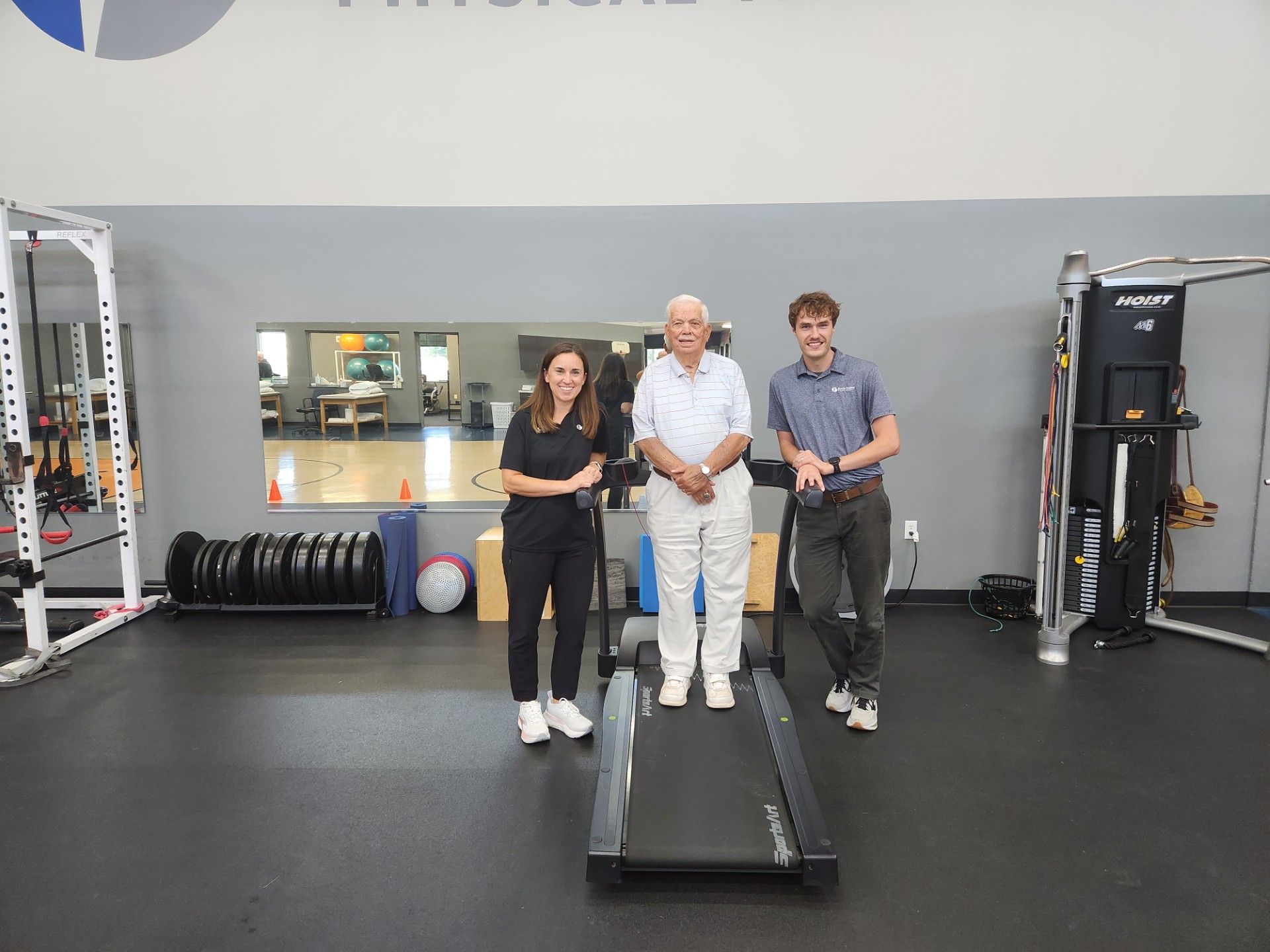
Three people standing on a treadmill in a gym, with exercise equipment in the background.
By Kylie Williams • October 12, 2026
“I don’t know where I would be without Ashley (Schurr, PT, DPT, OCS, CSCS),’’ said Hendren, who used to regularly shoot his age in golf, has a hole-in-one to his credit, and also a perfect 300 game in bowling. “She has always been there to get me through whatever I am dealing with. It’s been a lot of years with Ashley
By ashley johnson • October 9, 2026
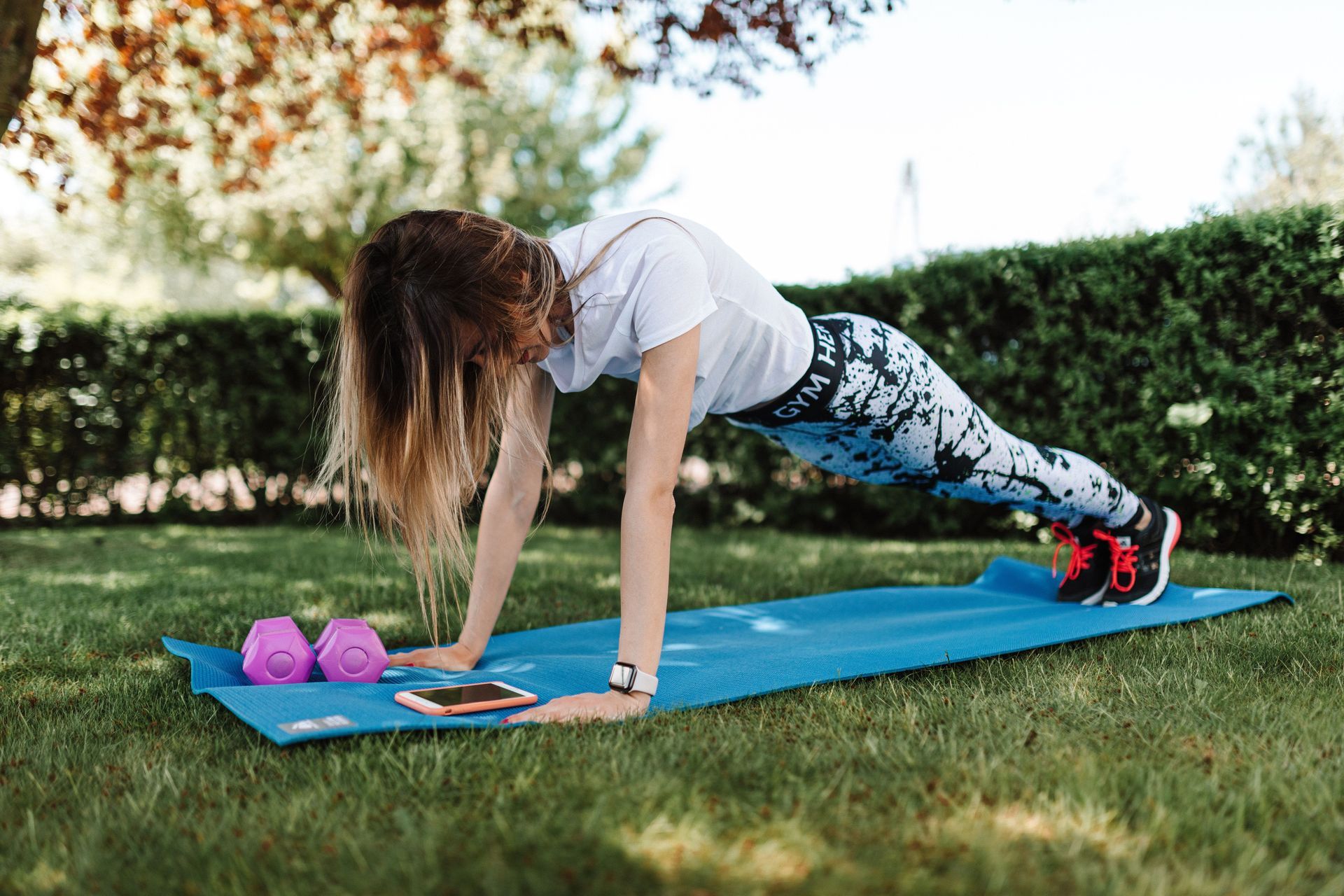
Most people assume physical therapy is something you only need after tearing a ligament, having joint replacement surgery, or waking up with a stiff neck. While PTs are great at those things, treating injuries is only half of what we do. Physical therapy is also one of the most effective, underused tools for preventative wellness. PT can help you move better, prevent chronic disease and help protect your health for decades to come. Exercise Is The Wonder Drug You Don’t Need a Prescription For We all know exercise is good for us. If physical activity were packaged into a single pill, it would be the most prescribed blockbuster medication on earth. The benefits of exercise are incredible: Improves your mood and mental clarity: Triggers natural endorphins and neurotransmitters that combat depression and chronic anxiety Protects against chronic illness: Drastically reduces your risk of cardiovascular disease, stroke, type 2 diabetes, and multiple types of cancer Improves immune function: Studies show regular moderate activity significantly lowers the risk of severe respiratory illness and hospitalization from viruses like COVID-19 Protects brain health: Staying physically active through midlife helps reduce the risk of cognitive decline and dementia Improves metabolic health and sleep: Helps regulate insulin sensitivity, blood pressure, and circadian rhythm But the CDC reports that fewer than a quarter of American adults meet the full federal benchmarks for aerobic and muscle-strengthening activity. Why is that? Because for many people, moving regularly hurts, feels overwhelming, or doesn't fit well into everyday life. That's where your physical therapist comes in. Physical Therapy Helps You For Life To stay active, you have to first be able to move comfortably and safely. Physical Therapists are doctoral-level experts in the human movement system. They'll evaluate your entire body to reduce pain, get you moving better, and help you find the best exercise routine for you. They can also work together with your broader healthcare team. Whether your physician has urged you to lower your blood pressure, manage cholesterol, or improve your HbA1c levels, your PT can design an exercise prescription to help with these goals safely, and without pain. Think of your physical therapist the same way you think of your primary care physician or dentist: someone you visit for regular check-ups, movement screenings, and prescription changes. As your body changes across different decades, or as your lifestyle shifts from training for 10Ks to keeping up with grandkids, your PT can help you stay pain-free, capable, and healthy. Aging is inevitable, but losing mobility, strength, and independence is not. You don't have to wait for pain to make an appointment with your PT. Whether you want to run your first 5K, get back in the gym safely, or maintain your mobility and independence, think of your physical therapist as your movement coach and lifelong partner.