


Pickleball Injuries: Signs, Prevention, and Treatment

Share this Article:

Pickleball continues to grow in popularity, bringing more players onto the court each year. It’s easy to pick up and a great way to stay active, but the quick movements and repeated swings can put stress on the body, especially for those easing back into exercise.


Many players jump into longer matches without much preparation. Warm-ups get skipped, and small aches are often ignored. Over time, that can lead to common pickleball injuries like elbow pain, sore knees, or
tight shoulders.


The good news is that many of these injuries can be
prevented. Building strength, improving mobility, and paying attention to early warning signs can help you stay active and avoid setbacks. Physical therapy can support both prevention and recovery, helping you move better and keep playing without pain.

Why Pickleball Injuries Are Increasing

More people are stepping onto the pickleball court than ever before, and many are picking it up later in life or after time away from regular activity. That combination plays a big role in the rise of injuries.


The game moves quickly. Short sprints, sudden stops, and repeated swings can catch the body off guard, especially if strength and flexibility have not been built up over time. It’s common for players to go from a casual first game to several matches in a short span, which can lead to overuse injuries.


Preparation also plays a role. Many players head straight into a match without warming up or loosening tight muscles, which increases the risk of strain.


Technique and equipment can add to the problem. Shoes without proper support or movement patterns that put extra stress on joints can contribute to pain in the elbows, shoulders, and knees.

Common Pickleball Injuries Explained

Pickleball may feel lower impact than other sports, but it still places repeated stress on muscles and joints. Over time, that stress can lead to a range of injuries, especially when the body is not fully prepared for the demands of the game.


Here are some of the most common pickleball injuries seen in physical therapy clinics:

  • Tennis Elbow (Lateral Epicondylitis): Pain on the outside of the elbow caused by repeated gripping and swinging. Players may notice discomfort during or after games, especially when hitting backhands.
  • Shoulder Strains and Rotator Cuff Injuries: Serving and overhead shots can irritate the shoulder. This can lead to pain, weakness, or a limited range of motion.
  • Knee Pain and Meniscus Irritation: Quick pivots and direction changes can put stress on the knees. Pain may show up during play or when going up and down stairs.
  • Achilles Tendonitis and Calf Strains: Sudden starts and stops can strain the lower leg. Tightness, soreness, or pain near the heel are common signs.
  • Ankle Sprains: Fast lateral movement increases the chance of rolling an ankle, especially on uneven surfaces or with improper footwear.
  • Lower Back Pain: Repeated twisting and bending can irritate the lower back, especially if core strength is lacking.

Each of these injuries can start small and build over time. Catching symptoms early and addressing movement, strength, and flexibility can make a big difference in recovery and future performance.

Early Signs of Injury You Shouldn’t Ignore

Injuries tend to build gradually, starting with small changes that are easy to brush off after a game. Paying attention to these early signs can help you avoid a longer recovery time later.

  • Lingering soreness: Muscle soreness that sticks around for more than a day or two may point to more than simple fatigue.
  • Sharp or localized pain: Pain in a specific area like the elbow, shoulder, or knee during certain movements is a red flag.
  • Stiffness or reduced mobility: Trouble reaching overhead, bending, or rotating can signal joint or muscle issues developing.
  • Swelling or tenderness: Visible swelling or sensitivity to touch around a joint should not be ignored.
  • Weakness or loss of control: Feeling less stable during movements or noticing a drop in strength can increase injury risk.
  • Pain that worsens during play: Discomfort that increases as the game goes on instead of easing up is a sign that something needs attention.

It’s easy to push through these symptoms, especially during a competitive match. Taking action early can help you stay active and avoid more serious setbacks.

Simple Ways to Prevent Pickleball Injuries

Staying healthy on the court comes down to a few consistent habits. Small changes in how you prepare and play can make a big difference.


Build up your playing time gradually. Jumping into multiple games right away can put too much strain on your body, especially if you’re getting back into activity.


Strength and flexibility are just as important. A strong core, stable legs, and mobile shoulders help you move more efficiently and reduce stress on your joints.

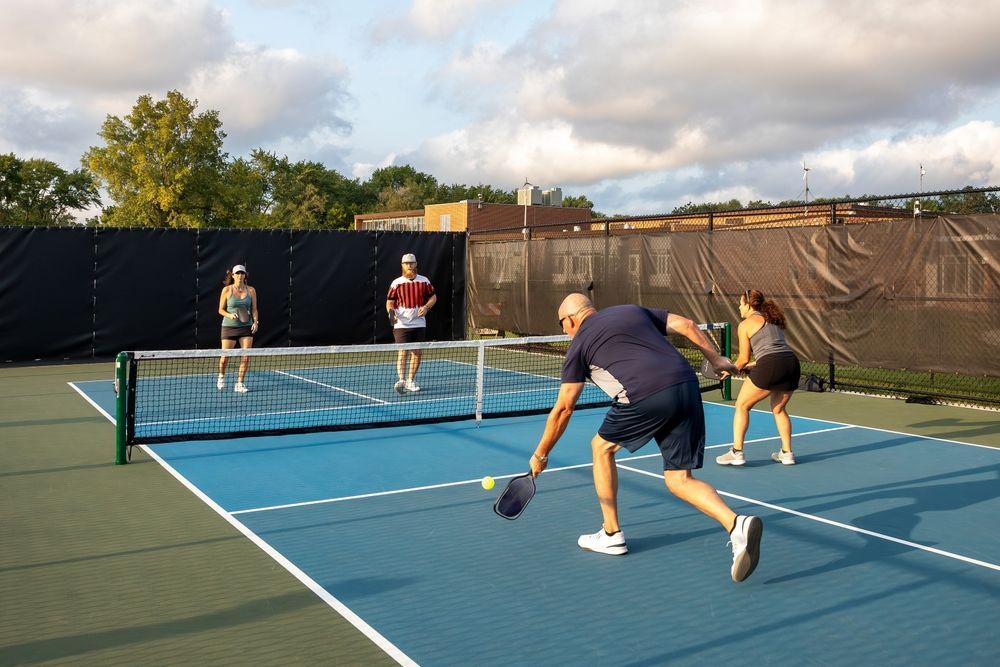
People playing pickleball on a blue outdoor court, with a black net and fence in the background

Wearing proper court shoes can also help protect your ankles and knees during quick side-to-side movement.


Pay attention to how your body feels. Rest when needed, stay hydrated, and don’t ignore early discomfort.


A physical therapist can help you stay ahead of injuries. At Rock Valley Physical Therapy, care is tailored to your movement, helping you improve strength and mobility so you can keep playing comfortably.

Warm-Ups That Help You Stay Injury-Free

A short warm-up can make a big difference. Starting a game without preparing your body puts extra stress on muscles and joints.


Begin with light movement like a quick walk or easy rally to get your blood flowing. Then move into dynamic stretches such as arm circles, leg swings, and torso rotations to loosen key areas used in pickleball.


Take a few minutes to hit controlled shots at a slower pace before jumping into full play. This gives your body time to adjust to the speed and movement of the game.


A simple routine like this helps you move more comfortably and can cut down on strain during and after play.

When to See a PT for Pickleball Pain

It’s easy to brush off soreness after a few games, but pain that lingers or affects how you move should not be ignored.


If discomfort lasts more than a couple of days, shows up during specific movements, or keeps coming back, it’s time to get it checked out. Issues like elbow pain, knee soreness, or shoulder tightness can worsen without the right care.


A physical therapist can identify the cause and help correct it before it turns into a bigger problem. At Rock Valley Physical Therapy, you’ll receive one-on-one care focused on helping you move better and stay active.


No referral is needed to get started. If something feels off, schedule an evaluation and get back to playing comfortably.

Connect With Us:

More Tips, Insights & Recovery Advice

Baseball pitcher in white uniform mid-throw on the mound, with outfield wall and player in the background
By Kylie Williams May 15, 2026
With most prep and college campaigns working toward tournament time and with youth baseball across the country in full swing, Samuelson has shared his expertise, covering what it takes to prepare to pitch, arm care, recommended pitch counts as well as pre-and-post-game workouts and recovery, covering youth to college-a
A bearded person in a blue shirt sits at a desk using a laptop, clutching their shoulder with an pained expression.
May 5, 2026
You sit down to work, and before long, your shoulder starts to ache. If you’ve been dealing with shoulder pain while sitting, you’re not alone. It’s one of the most common complaints among people who spend hours at a desk.