



7 Tips to Improve Joint Health

Share this Article:

Joint pain is not uncommon, but it can be crippling. You may hold yourself back from doing the things you love to do because you know it’s going to hurt. Joint pain can range from mild aches and pains to severe discomfort that makes it impossible to walk even short distances. Physical therapy can often help. To learn how to improve joint health, start by understanding why you have pain and then follow these tips.

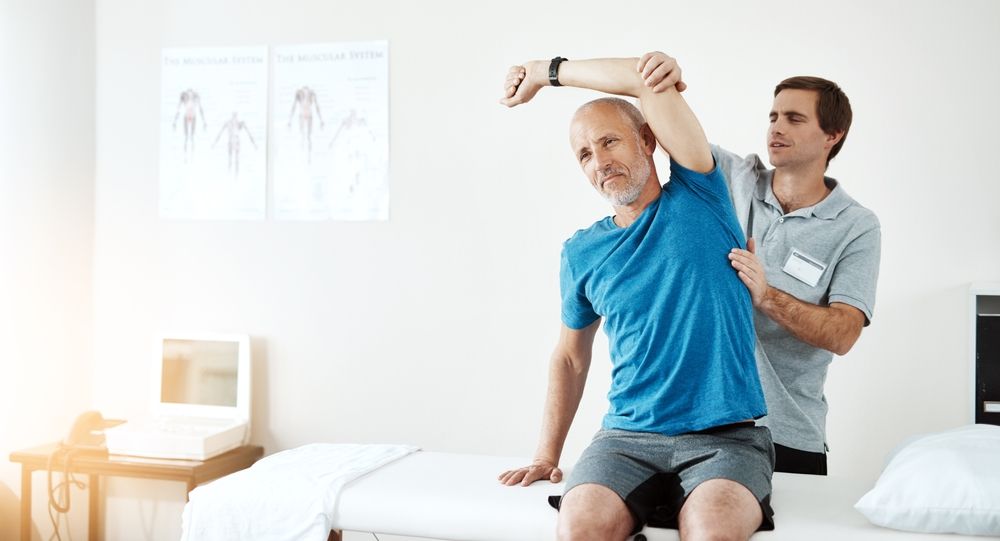
Physical therapist helping a seated patient stretch his arm in a bright clinic room

Common Reasons Your Joints May Hurt

Joint pain can stem from various causes, each requiring different approaches to management. One of the most common reasons is arthritis, including osteoarthritis and rheumatoid arthritis, which cause inflammation and wear down the cartilage cushioning your joints. Injuries, such as sprains, strains, and fractures, can also lead to joint pain, often persisting even after the initial injury has healed. Overuse from repetitive movements or strenuous activities can cause joint stress and pain, especially in physically demanding jobs or sports. Infections and autoimmune diseases like lupus can also result in joint discomfort. Additionally, age-related degeneration naturally contributes to joint pain as cartilage deteriorates and joints become less flexible. Understanding the root cause of your pain is essential for effective treatment and management.


It is important to understand the underlying cause of your joint pain, and for that, you may need to meet with your doctor. However, for many people, physical therapy is the best treatment. The goal of physical therapy is to help reduce inflammation, improve the motion and function of the joint, and build stronger muscles to support your joints.

Improve Joint Health with These 7 Tips

Improving joint function often requires more than one step. For some people, medication is necessary while for others with serious deterioration, surgical procedures may be unavoidable. For most people, though, the following tips and strategies can make a significant improvement in your joint pain and quality of life without invasive care.

Man in blue shirt doing rehab exercise with therapist in bright gym

#1: Ensure You Stay Active

The longer you sit still, the more stiffness you are likely to feel in your joints. Movement helps to lubricate the joints, and that limits the pain you feel. For example, if you watch a movie, spend at least 15 minutes walking around before and after. Take breaks from sitting still as often as possible to keep your joints moving.


#2: Stretch and Strengthen Your Muscles

Keeping safety in mind, incorporate muscle strengthening into your day. Stretching the muscle will help to improve movement and range of motion. In addition to this, light weight training should be considered to build muscle mass. Those muscles help to support the function of your joints. Work on building muscles associated with the spine, hips, knees, or other joints that may be limiting. It’s a good idea to work with a physical therapist to do this (that way, you learn to move your joints properly).


#3: Remember That Safety Comes First

Safety is the biggest factor in any exercise or activity you do. When you’re going to do any type of activity that could strain your joints, be protected. For example, if you’re heading out to play a few rounds of golf or tennis, slip on braces to protect those joints. If you are playing contact sports, wear padding to protect those areas most at risk.


#4: Work on Your Posture

You may not see the specific connection between posture and joint health, but it plays a significant role. Improving your posture does several things. First, it helps to ensure your hips and knees are aligned properly. It also ensures there’s no added pressure on your spine, which can lead to joint pain as well.


Most people can do simple things to improve their posture, such as sitting up straight and walking with your shoulders back. Working with a physical therapist will also help you to improve your posture, reducing the pain and discomfort you feel in your knees and legs.


Consider these tips for improving joint posture:


  • Sit and stand so that your back is straight, which helps move your joints into the proper alignment.
  • If you use a backpack, make sure it has a waist belt to evenly distribute weight.
  • When lifting something, squat to pick it up to reduce the pressure on your back.
  • Wear shoes that encourage good posture (this is not the time for heels!)
  • Make sure you’re carrying items with your back straight but don’t strain significantly.


#5: Lose a Few Pounds

Excess weight places significant pressure on your joints, increasing the risk of pain and damage. By losing a few pounds, you can reduce this stress and improve joint function. Aerobic exercises, such as aquatic therapy, are particularly effective as they provide a low-impact way to burn calories and strengthen muscles without putting additional strain on your joints. Finding a weight loss strategy that works for you can lead to noticeable improvements in joint health and overall mobility.


#6: Stop Smoking & Help More Than Just Your Joints

You may not realize just how much smoking can impact your joint health (not to mention overall health). Smoking reduces bone mass, and can also lead to osteoporosis, which puts your joints even more at risk of failing.


#7: Improve Your Eating Habits

Improving what you eat can also make a difference in your joint health. First, cut out foods that actually inflame your joints. This includes sugars, alcohol, and fried foods. These actually cause damage to joints throughout your body.


Next, improve the quality of nutrients you take in. You can do that by eating foods that are packed with nutrition such as seafood, beans, fruits, and nuts. Be sure you’re getting ample calcium and Vitamin D in your diet, too. These nutrients are critical to building and maintaining healthy bones.


Without proper nutrients, including those high in the following, you’re at a much higher risk for health complications:


  • Vitamin D (found in fortified cereals and dairy products)
  • Omega 3 fatty acids (found in some fish, like salmon and tuna)
  • Vitamin C (get it from oranges)
Trainer assisting a client stretching with dumbbells in a bright fitness studio

Say Goodbye to Joint Pain with Rock Valley Physical Therapy

All of these tips will help, but the best strategy for improving your joint health is to get help from a physical therapist. Why should you see a physical therapist? With the help of therapy, your body can develop stronger muscles and ligaments, helping to support better movement of each of the joints throughout it. Most importantly, it helps to reduce pain associated with day-to-day activities you may not be engaging in because of the pain.


Ready to get started? Find your clinic with us and then request an appointment.

Connect With Us:

More Tips, Insights & Recovery Advice

Man standing in front of Rock Valley Physical Therapy sign in a blue-walled office lobby.
By Kylie Williams June 10, 2026
“Max has been the best physical therapist I have had,’’ she said. “He sincerely listened to what I had to say and was knowledgeable when I asked him questions. He continually asked how the exercises and treatments were feeling. He knew the pain I was in because by surgery time, I could barely walk, sit, or sleep."
By ashley johnson June 4, 2026
We often think of physical therapy as something we only need after a sports injury or a surgery. While PTs are certainly experts in fixing knees and backs, their role in your health goes much deeper. In fact, one of the most important muscles a physical therapist can help you strengthen isn't in your leg or your arm, it’s your heart. Heart disease remains the leading cause of death globally. According to recent data from the American Heart Association, someone in the United States dies of heart disease every 34 seconds. The good news? A lot of cardiovascular disease is preventable through lifestyle changes, with regular movement being one of the most powerful medicines out there. The Challenge of Getting Started Current health guidelines recommend that ad ults get at least 150 minutes of moderate-intensity aerobic activity per week. H owever, for many, that goal feels out of reach. Maybe you want to start walking or cycling, but an old nagging injury flares up every time you try. Or it could be the fear of "doing too much" after a health scare that keeps you on the couch. This is where physical therapy becomes your heart's best friend! How a Physical Therapist Supports Your Heart A physical therapist is a movement specialist. They don't just look at a painful joint, they look at how your whole body moves and how your heart and lungs respond to that movement. Here is how they help you go from staying still to getting active: Before Activity: Before you start a new exercise routine, a PT can assess your balance, strength, and cardiovascular response. This makes sure you start at a level that is challenging enough to strengthen your heart but safe enough to avoid burnout or injury. Overcoming Pain: Many people stop exercising because of joint pain. A PT identifies the root cause of that pain, whether it’s a weakness in the hip causing knee pain or poor posture affecting your breathing, and provides a plan to fix it so you can keep your heart rate up without the aches. Recovery and Beyond: If you have experienced a major health event like a heart attack, stroke, or are undergoing cancer treatment, exercise is vital but can be intimidating. Research highlights that supervised exercise programs led by PTs significantly reduce fatigue and improve quality of life for people recovering from complex medical conditions. Managing Chronic Conditions: Physical therapy is increasingly used to help manage conditions that affect the heart indirectly, such as Type 2 diabetes and high blood pressure, by creating sustainable, low-impact movement plans. Movement is Medicine You don’t need to be a marathon runner to improve your heart health. Brisk walking, swimming, or even gardening can make a massive difference. The key is consistency and safety. If you’ve been hesitant to get moving, or if pain is standing in your way, consider a physical therapy evaluation. Your PT can help give your heart the support it needs to keep you moving for years to come.