

Physical Therapy for Seniors

Share this Article:

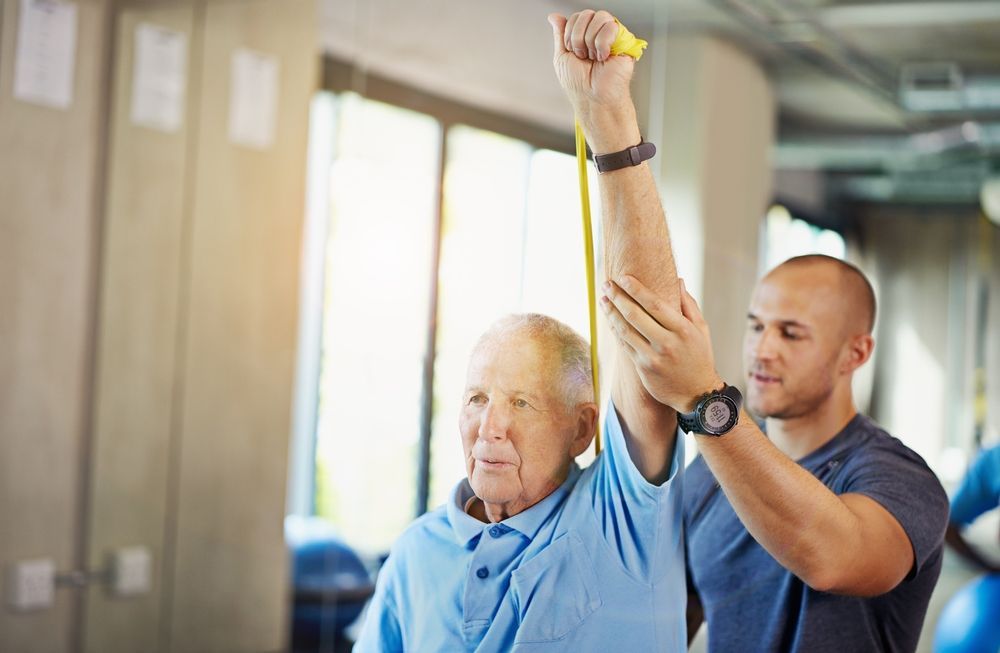
It’s not uncommon for older adults to feel some aches and pains. If those discomforts make it hard for you to do the things you enjoy, though, that’s a problem. For many, physical therapy can be a significant step in the right direction, providing seniors with enhanced mobility, less risk of injury when falling, and more confidence.

Should Seniors See a Physical Therapist?

Physical therapy can be incredibly beneficial for seniors. As we age, our bodies naturally undergo changes that can affect balance, strength, and flexibility. A physical therapist can create a personalized plan to address these issues, helping seniors maintain independence and improve their overall quality of life. Regular sessions can prevent falls, manage chronic pain, and enhance mobility, allowing seniors to stay active and engaged in their favorite activities. Plus, physical therapists provide education on safe movement and exercises that can be done at home, ensuring ongoing benefits between visits.


5 Benefits of Physical Therapy for Seniors

As a tool for overall health and wellness, physical therapy offers a lot of key benefits for individuals and very few risks. Consider these very important benefits:


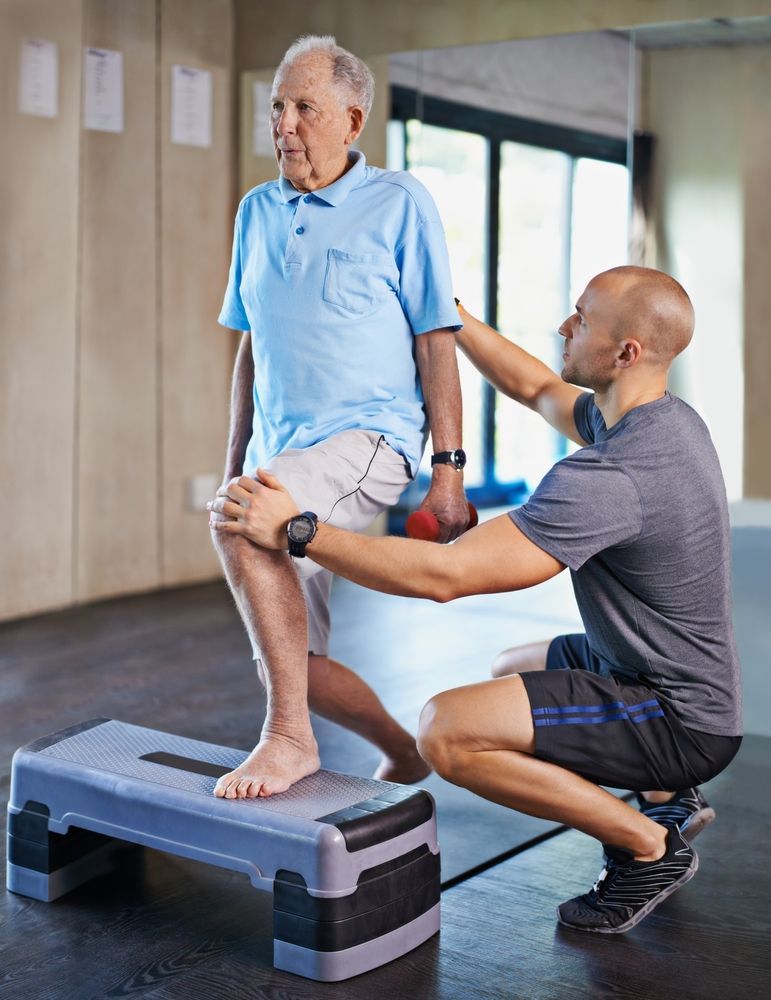
  1. Reduces your risk of falls. Falls are a major concern for seniors, often leading to serious injuries. Physical therapy helps improve balance and coordination, significantly reducing the risk of falls. Through targeted exercises, seniors can strengthen muscles and enhance stability.
  2. Reducing injury risk. Physical therapy focuses on improving overall stability and strength. By addressing areas of weakness and unsteadiness, seniors can reduce their risk of injuries related to everyday activities.
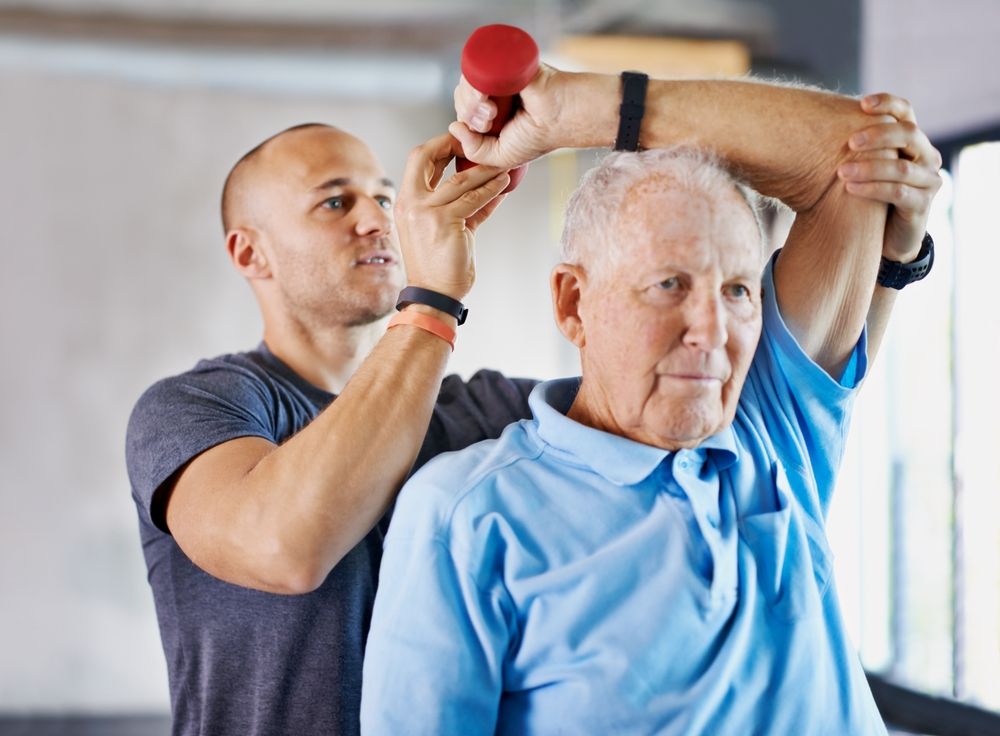
  3. Reducing pain. Chronic pain from conditions like arthritis or past injuries can be debilitating. Physical therapists use various techniques, including manual therapy and specific exercises, to alleviate pain and improve function.
  4. Reducing the need for pain medications. Over-reliance on pain medications can have unwanted side effects. Physical therapy offers a natural alternative, helping seniors manage pain through movement and therapy rather than pharmaceuticals.
  5. Reducing health complications that lead to nursing homes. Maintaining mobility and independence is crucial for aging adults. Physical therapy can help you to maintain a healthy lifestyle at home in many situations. The more active you are, the less risk there is of needing more support at home.

4 Common Types of Physical Therapy for Seniors

By working with a therapist, you’ll learn the specific types of therapy best suited for your needs. It’s always a good idea to have care that’s best for your current needs so you don’t worsen pain or cause injury. The four common types of physical therapy seniors use include:


  • Geriatric physical therapy: This type of therapy focuses on the unique needs of older adults. It addresses age-related conditions such as arthritis, osteoporosis, and balance disorders. It also aids in improving mobility while reducing pain.
  • Cardiopulmonary physical therapy: Designed for seniors with heart and lung conditions, cardiopulmonary physical therapy aims to improve cardiovascular health and respiratory function. Therapists use techniques like endurance training and breathing exercises to improve the function of the heart and lungs.
  • Orthopedic physical therapy: Orthopedic physical therapy treats musculoskeletal issues, including joint replacements, fractures, and general wear and tear. It helps seniors recover from surgeries, injuries, and manage chronic conditions through strengthening exercises, stretching, and manual therapy.
  • Neurological physical therapy: This type of therapy is for seniors dealing with neurological conditions such as stroke, Parkinson’s disease, and multiple sclerosis. Neurological physical therapy focuses on improving coordination, balance, and motor skills, aiming to enhance overall function and quality of life. 

At-Home Physical Therapy for Seniors

It’s always best to work with a physical therapist to receive specific, targeted support for learning how to move, stretch, and exercise to achieve your goals. However, you can use physical therapy stretches at home to continue to see improvements. Consider these strategies:


  • Lower body strengthening: This includes sit-and-stand exercises with proper back support, as well as squats while holding onto a countertop. Leg lifts in a seated position may be helpful.
  • Lower body stretches: Focus here on stretching the muscles in the lower back as well as the hamstrings. Twisting your body without moving your legs can also help to improve hip function.
  • Endurance training: The best route here is walking, but aquatic therapy can also help with improving cardiovascular function and lung health. You may even want to start biking again.
  • Balance exercises: Incorporating walking heel-to-toe, learning weight-shifting exercises, and even marching in place can help with improving balance.


Exercise Tips for Seniors

There are numerous simple things you can do to help improve your fitness level at any age. At the heart of that is exercising on a consistent basis. Consider these tips to help you to get started:


  • Start slow and work your way up. Go for a 10-minute walk, then increase it to a 15-minute walk.
  • Turn to local senior recreation programs for help with motivation. Sometimes, meeting a friend can help to make seemingly hard work a bit more enjoyable.
  • You don’t need to buy a lot of equipment. Instead, focus on simple exercises you can do at home.

FAQs

What Exercises Should Seniors Avoid?

Always speak to your doctor about any risks to your specific needs and health. You should not do anything that strains your body significantly beyond your current health level.


How Many Times a Week Should You Attend Physical Therapy?

The frequency of physical therapy sessions varies based on individual needs and the specific condition being treated. Your physical therapist will assess your condition and create a personalized plan that outlines the optimal frequency of sessions. It’s important to follow this plan closely and communicate any concerns or changes in your condition to ensure the best outcomes from your therapy.

Should You Do Physical Therapy While in Pain?

Always work with your physical therapist to determine when and what you should do when there’s pain. Often, it’s important to learn strategies to avoid further injury while also helping to reduce inflammation. There’s a fine line, but your physical therapy team can help.


Learn How Rock Valley Can Help Today!

Now is the perfect time to get active. Request an appointment today with Rock Valley Physical Therapy and start experiencing improved health and wellness. 

Connect With Us:

More Tips, Insights & Recovery Advice

Man standing in front of Rock Valley Physical Therapy sign in a blue-walled office lobby.
By Kylie Williams June 10, 2026
“Max has been the best physical therapist I have had,’’ she said. “He sincerely listened to what I had to say and was knowledgeable when I asked him questions. He continually asked how the exercises and treatments were feeling. He knew the pain I was in because by surgery time, I could barely walk, sit, or sleep."
By ashley johnson June 4, 2026
We often think of physical therapy as something we only need after a sports injury or a surgery. While PTs are certainly experts in fixing knees and backs, their role in your health goes much deeper. In fact, one of the most important muscles a physical therapist can help you strengthen isn't in your leg or your arm, it’s your heart. Heart disease remains the leading cause of death globally. According to recent data from the American Heart Association, someone in the United States dies of heart disease every 34 seconds. The good news? A lot of cardiovascular disease is preventable through lifestyle changes, with regular movement being one of the most powerful medicines out there. The Challenge of Getting Started Current health guidelines recommend that ad ults get at least 150 minutes of moderate-intensity aerobic activity per week. H owever, for many, that goal feels out of reach. Maybe you want to start walking or cycling, but an old nagging injury flares up every time you try. Or it could be the fear of "doing too much" after a health scare that keeps you on the couch. This is where physical therapy becomes your heart's best friend! How a Physical Therapist Supports Your Heart A physical therapist is a movement specialist. They don't just look at a painful joint, they look at how your whole body moves and how your heart and lungs respond to that movement. Here is how they help you go from staying still to getting active: Before Activity: Before you start a new exercise routine, a PT can assess your balance, strength, and cardiovascular response. This makes sure you start at a level that is challenging enough to strengthen your heart but safe enough to avoid burnout or injury. Overcoming Pain: Many people stop exercising because of joint pain. A PT identifies the root cause of that pain, whether it’s a weakness in the hip causing knee pain or poor posture affecting your breathing, and provides a plan to fix it so you can keep your heart rate up without the aches. Recovery and Beyond: If you have experienced a major health event like a heart attack, stroke, or are undergoing cancer treatment, exercise is vital but can be intimidating. Research highlights that supervised exercise programs led by PTs significantly reduce fatigue and improve quality of life for people recovering from complex medical conditions. Managing Chronic Conditions: Physical therapy is increasingly used to help manage conditions that affect the heart indirectly, such as Type 2 diabetes and high blood pressure, by creating sustainable, low-impact movement plans. Movement is Medicine You don’t need to be a marathon runner to improve your heart health. Brisk walking, swimming, or even gardening can make a massive difference. The key is consistency and safety. If you’ve been hesitant to get moving, or if pain is standing in your way, consider a physical therapy evaluation. Your PT can help give your heart the support it needs to keep you moving for years to come.