



Benefits of Myofascial Release

Share this Article:

You stretch the tight spot. It feels better for a while, then the same stiffness returns. Maybe a foam roller helps temporarily, or a stubborn knot continues to limit how comfortably you move.


Myofascial release is a hands-on technique that may help reduce tension, ease discomfort, and improve movement. Its benefits depend on what is contributing to your symptoms, which is why understanding how the technique works matters before deciding where it fits into your recovery.

What Is Myofascial Release and How Does It Work?

Fascia is connective tissue that surrounds and supports muscles, bones, nerves, and other structures throughout the body. When an area becomes painful or difficult to move, tension in the muscles and surrounding tissues may contribute to the problem.


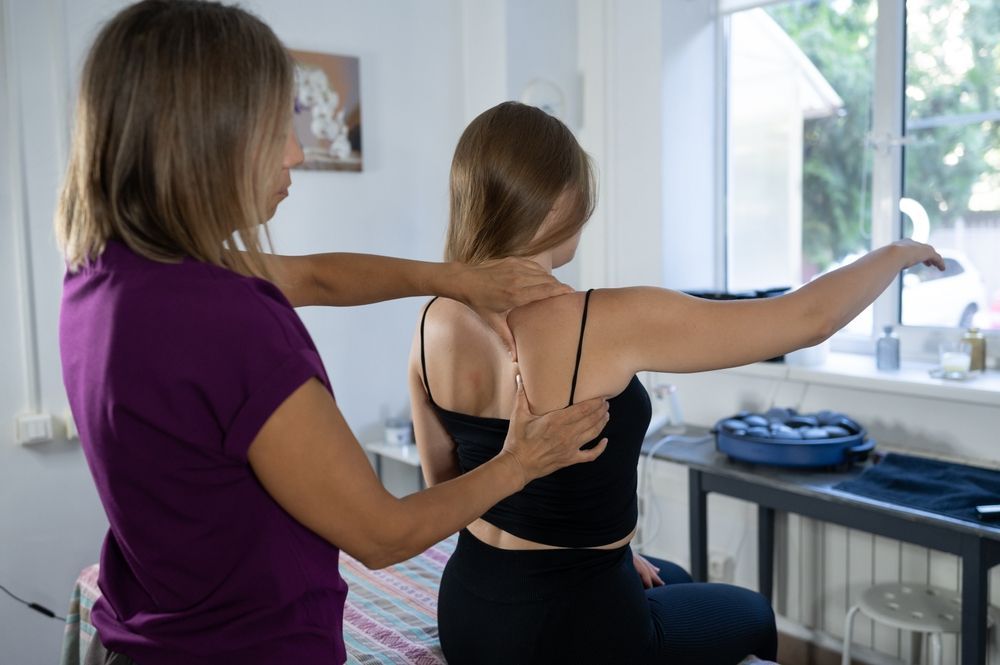
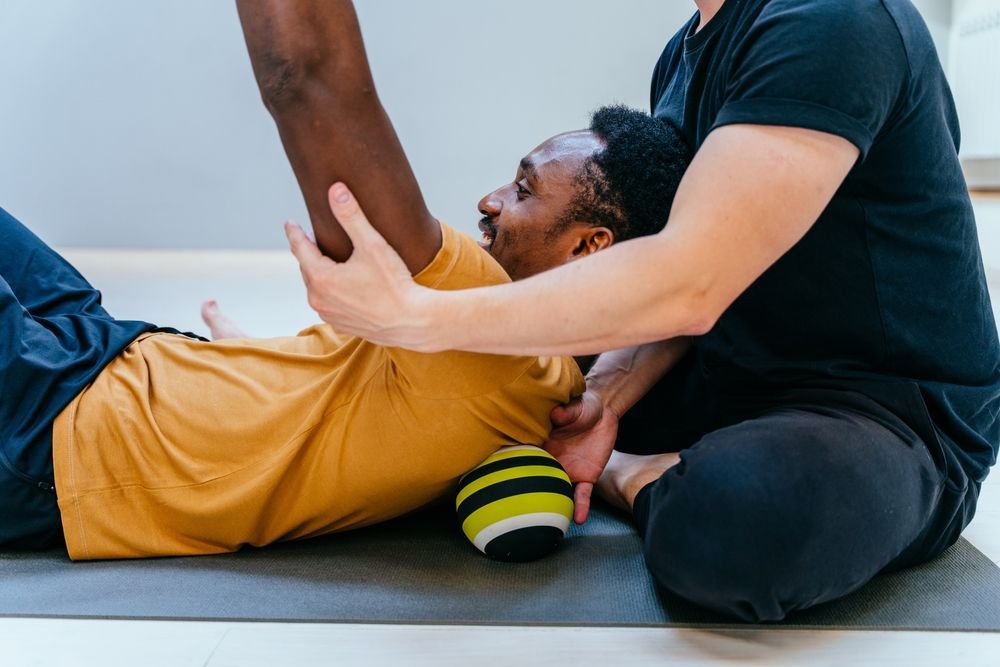
During myofascial release, a physical therapist applies slow, targeted pressure to areas that feel tight or restricted. The pressure is typically held rather than applied through quick or forceful movements. Treatment may focus on an area that hurts or nearby tissues that could be affecting how you move.


The amount of pressure can vary based on the area being treated and your comfort level. Myofascial release does not need to be intensely painful to be useful. Your therapist can adjust the technique based on how your body responds during treatment.


Myofascial release should not be thought of as physically breaking apart knots. The goal is to reduce sensitivity and tension so movement becomes more comfortable, giving you a better opportunity to work on mobility, strength, or other parts of rehabilitation.


How Myofascial Release Helps Relieve Pain

Pain does not always come from the exact spot where you feel it. Tight or sensitive tissue around the neck, back, hips, or shoulders can affect nearby movement and contribute to discomfort in another area.


Myofascial release applies sustained pressure to these sensitive areas. This may help calm pain, decrease tenderness, and make movement more comfortable. For example, someone who has shoulder pain while reaching overhead may benefit from treatment to surrounding muscles and tissues that are limiting that motion.


Relief can create an opportunity to move more freely, but recurring pain may require more than hands-on care. A physical therapist can pair myofascial release with exercises or movement changes aimed at the factors contributing to the problem.

Improve Flexibility and Range of Motion

Tight, sensitive tissue can make certain movements feel restricted. You might have trouble turning your head comfortably, reaching overhead, bending at the hip, or getting through a full squat.


Myofascial release may reduce some of that tension, allowing an area to move more comfortably through its available range. The change can make stretching, strengthening, and other exercises easier to perform.


The goal is useful movement rather than flexibility for its own sake. For a runner, that could mean moving the ankle more comfortably. For someone dealing with shoulder stiffness, it might mean reaching into a cabinet without the same restriction.

Reduce Muscle Tension and Trigger Points

A stubborn tight spot can return even after stretching, foam rolling, or massage. These sensitive areas, often called trigger points, may feel tender when pressed and can make nearby movement uncomfortable.


Myofascial release gives a therapist a targeted way to address that tension. Slow, sustained pressure may help the area relax and become less sensitive.


If the same spot keeps tightening, hands-on treatment may be only part of the solution. Strength, mobility, activity level, and movement habits can also contribute. Addressing those factors can help turn short-term relief into more meaningful progress.


Support Better Posture and Body Alignment

Muscle tension and stiffness can make certain positions uncomfortable. If turning your neck, extending your upper back, or moving your hips feels restricted, you may start adjusting how you sit, stand, or move to avoid discomfort.


Myofascial release may reduce some of that tension and make comfortable movement easier. From there, exercises that address mobility, strength, and movement habits can help you use that improved motion during everyday activities.


Rather than trying to create one “perfect” posture, physical therapy focuses on helping your body move comfortably through the positions your work, hobbies, and daily routine require.

Improve Circulation and Support Recovery

Hands-on pressure can temporarily increase local blood flow in the area being treated. This may contribute to a feeling of warmth or reduced stiffness after myofascial release.


For someone recovering from exercise or a musculoskeletal injury, easier movement can make it more comfortable to return to stretching, strengthening, and normal activity. Myofascial release may support that process when tissue tension is limiting movement.


Recovery often includes several pieces, including appropriate activity, rest, strength, and mobility. Myofascial release can fit into that larger treatment plan when hands-on care helps you move more comfortably.

Who Can Benefit From Myofascial Release?

Myofascial release may be worth considering if muscle tension, stiffness, or pain keeps limiting how you move. It can also be useful for people recovering from an injury, returning to exercise, or dealing with a tight area that keeps coming back despite stretching or foam rolling.


The right treatment depends on the source of your symptoms. A physical therapist can assess your movement, strength, and mobility to determine if myofascial release belongs in your treatment plan.


At Rock Valley Physical Therapy, your care is built around your specific symptoms and goals. Hands-on techniques can be paired with exercise and other treatments to help you make lasting progress. No referral is needed to get started, so you can contact Rock Valley Physical Therapy directly to schedule an evaluation.

Connect With Us:

More Tips, Insights & Recovery Advice

Two people walking on a snowy sidewalk, with “Ankeny Fall Prevention Series” banner text
By ashley johnson • October 6, 2026
Temperatures Are Down But You Shouldn't Have To Be Too! Join the Ankeny Rock Valley Physical Therapy staff for a free four week fall prevention series! As we enter into the new year, our goal is to help you decrease your risk of falls. The series will include seated and standing strengthening, stretching, and balance activities to further decrease your risk of falls. There will be pre and post testing to help measure your strength and risk of falling. We will also be providing education on techniques to make your home a safer environment.
Trainer assisting a client doing floor exercises in a bright studio
October 2, 2026
Postpartum pelvic floor recovery can be challenging. Learn when to see a pelvic floor PT, symptoms to watch for, and how PT can support recovery.