


Postpartum Pelvic Floor Recovery: When to See a PT

Share this Article:

A sore pelvis after giving birth can make everyday activities feel harder than expected. You may notice discomfort while walking, pressure through the pelvis, bladder leakage, or simply a sense that your body has not fully recovered.


Some changes are common during postpartum healing, but that does not mean every symptom should be ignored or waited out. Knowing what to watch for can help you decide when your body needs more time and when pelvic floor physical therapy may be worth considering.

What Happens to Your Pelvic Floor After Birth?

Your pelvic floor is a group of muscles and connective tissues that supports the bladder, bowel, uterus, and other structures in the pelvis. Pregnancy places increasing pressure on these tissues for months, so changes can occur regardless of how you deliver.


During a vaginal birth, the pelvic floor stretches considerably to allow the baby to pass through the birth canal. After a C-section, the pelvic floor still has to recover from the effects of pregnancy, while the abdominal wall and surgical area are healing too.


Recovery can look different from one person to another. The pelvic floor postpartum may feel weak, tight, sore, or difficult to coordinate. That is one reason simply doing more Kegels is not always the right answer. Understanding what changed is an important first step toward choosing the right approach to recovery.


When to See a Pelvic Floor PT Postpartum

There is no single week when every new parent should feel fully recovered. Healing depends on factors such as pregnancy, delivery, tissue healing, activity level, and the symptoms you are experiencing.


Consider seeing a pelvic floor physical therapist if discomfort or changes in bladder, bowel, or pelvic function continue after birth or interfere with daily life. You might also seek an evaluation when you have been cleared to exercise but still feel unsure about returning to running, lifting, strength training, or other activities.


A postpartum medical checkup and a physical therapy evaluation serve different purposes. Medical clearance can confirm that healing is progressing appropriately. A physical therapist can look more closely at movement, muscle function, and the specific activities that remain uncomfortable or difficult.


You do not have to wait until a problem becomes severe. If something still feels off or keeps you from doing what you want to do, it is reasonable to ask for help.

Postpartum Symptoms You Shouldn’t Ignore

Some postpartum changes improve during healing. Others deserve a closer look, especially when they persist or interfere with daily life.


Consider talking to a healthcare provider or pelvic floor PT about:


  • Urine or bowel leakage during coughing, sneezing, lifting, or exercise.
  • Pelvic pressure or heaviness, including a dragging or bulging sensation.
  • Persistent pelvic pain that limits movement or activity.
  • Pain during sex that continues after initial healing.
  • Urinary or bowel changes, such as urgency, constipation, or trouble emptying.
  • Pain, pressure, or leakage during exercise or other activities.


These symptoms may be common after pregnancy, but you do not have to accept them as your new normal.

Do You Need Pelvic Floor PT After a C-Section?

A C-section does not automatically protect you from pelvic floor problems. Pregnancy itself places months of added pressure on the pelvic floor and changes how the abdominal muscles, pelvis, and surrounding tissues function.


After a C-section, recovery also involves healing from abdominal surgery. Some people notice pelvic pressure, leakage, pain, core weakness, or discomfort around the scar.


Pelvic floor PT may help when these issues linger or make daily activities difficult. A therapist can assess how your pelvic floor, core, and surrounding muscles are working together, then determine what type of support fits your recovery.


How Pelvic Floor PT Supports Recovery

Pelvic floor PT starts with figuring out what is causing your symptoms. Weakness may be part of the problem, but tight muscles, poor coordination, limited mobility, or changes in core function can contribute too.


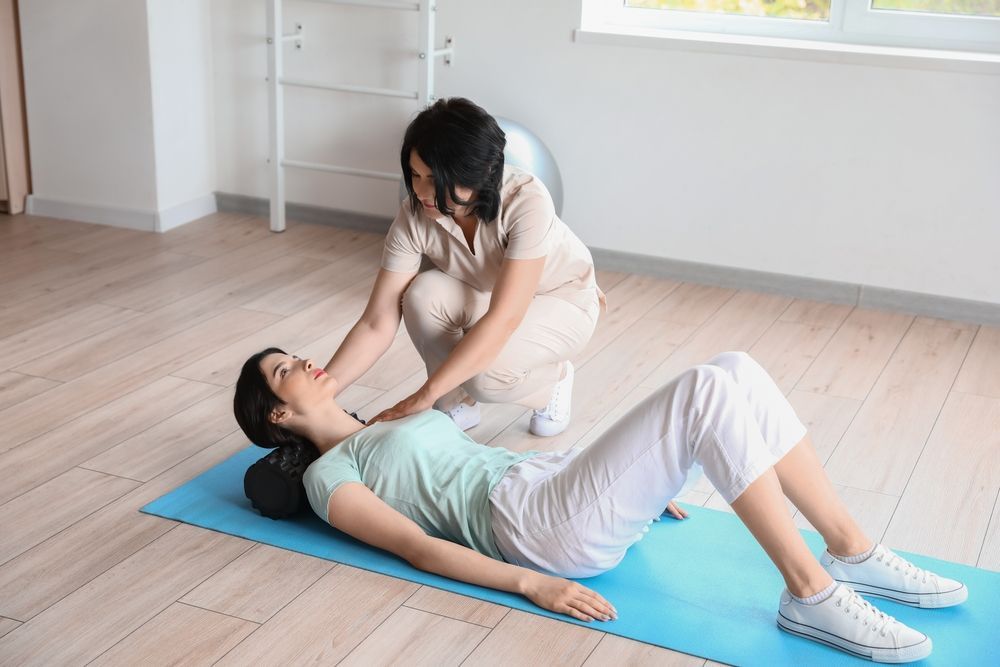
Your first visits may include a discussion of your symptoms, delivery and recovery, followed by an assessment of areas such as movement, breathing, core function, hips, and pelvic floor muscle control. Depending on your needs, your therapist may discuss an internal pelvic floor assessment. This should be explained beforehand, and you can ask questions about any part of the evaluation.


Treatment is based on what your therapist finds. It may include pelvic floor exercises, relaxation techniques, breathing and core retraining, mobility work, or a gradual return to lifting and exercise. Someone experiencing muscle tightness may need a different approach than someone dealing primarily with weakness.


The goal is practical: move comfortably, regain control, and return to daily activities more confidently. At Rock Valley Physical Therapy, care is personalized around your symptoms, recovery, and goals.

Is It Ever Too Late for Pelvic Floor PT?

Pelvic floor concerns do not have an expiration date. Leakage, pressure, pain, or weakness can continue months or even years after pregnancy, and you can still seek treatment.


You also do not need to wait for symptoms to become severe. If pelvic discomfort or changes in function are affecting exercise, intimacy, work, or everyday activities, an evaluation can help identify what is happening and what may improve it.


Rock Valley Physical Therapy offers
personalized pelvic floor care focused on helping you move and feel more comfortable. No referral is needed to get started, making it easier to take the next step when you are ready.

Connect With Us:

More Tips, Insights & Recovery Advice

By ashley johnson • September 25, 2026
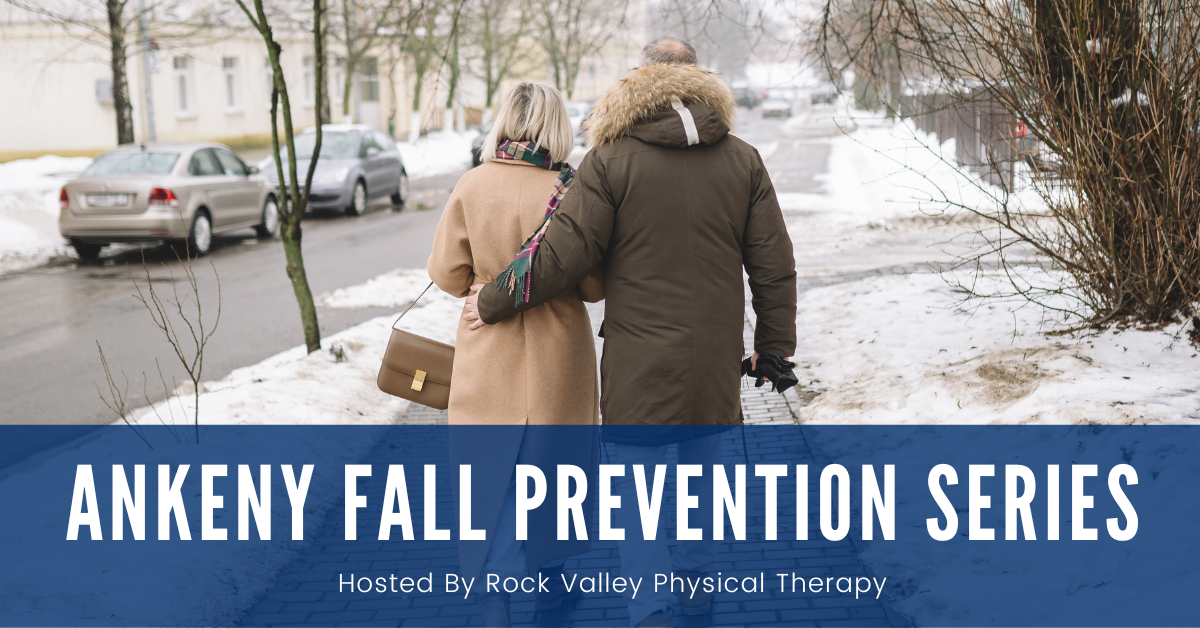
Temperatures Are Down But You Shouldn't Have To Be Too! Join the Ankeny Rock Valley Physical Therapy staff for a free four week fall prevention series! As we enter into the new year, our goal is to help you decrease your risk of falls. The series will include seated and standing strengthening, stretching, and balance activities to further decrease your risk of falls. There will be pre and post testing to help measure your strength and risk of falling. We will also be providing education on techniques to make your home a safer environment.

Two men and a woman posing outdoors at a sunset run, with other runners in the background.
By Kylie Williams • September 23, 2026
"My first Ironman was in 2019,’’ added Kersten. “I am extremely lucky to work for Rock Valley Physical Therapy and be surrounded by so many physically active professionals. You can blame Chad Humphrey, and my brother, Todd Kersten, PT, OCS for my start in endurance events.’’