Can Bad Posture Cause Headaches?

October 10, 2025

Share this Article:

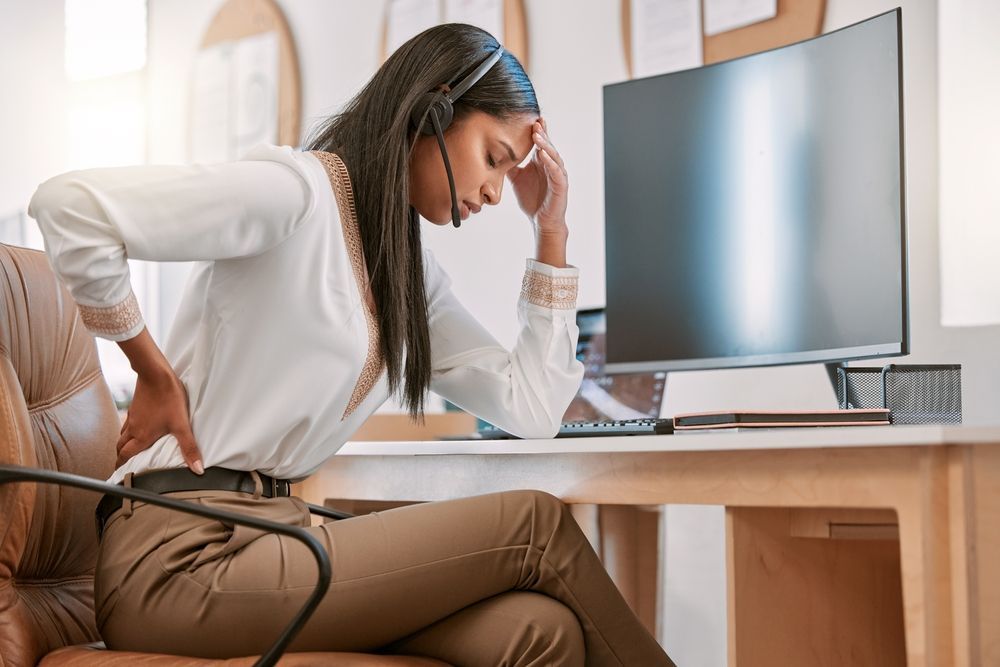
If you’ve ever felt a headache build after hours at a desk or scrolling through your phone, posture could be playing a bigger role than you think. Poor alignment can strain more than just your neck or shoulders. It often contributes directly to headache pain. When the muscles around your spine stay tense for too long, they can irritate nerves, restrict movement, and lead to headaches that seem to come out of nowhere. Small, repeated habits often set the stage for ongoing discomfort.

How Forward Head Posture Adds Neck Strain

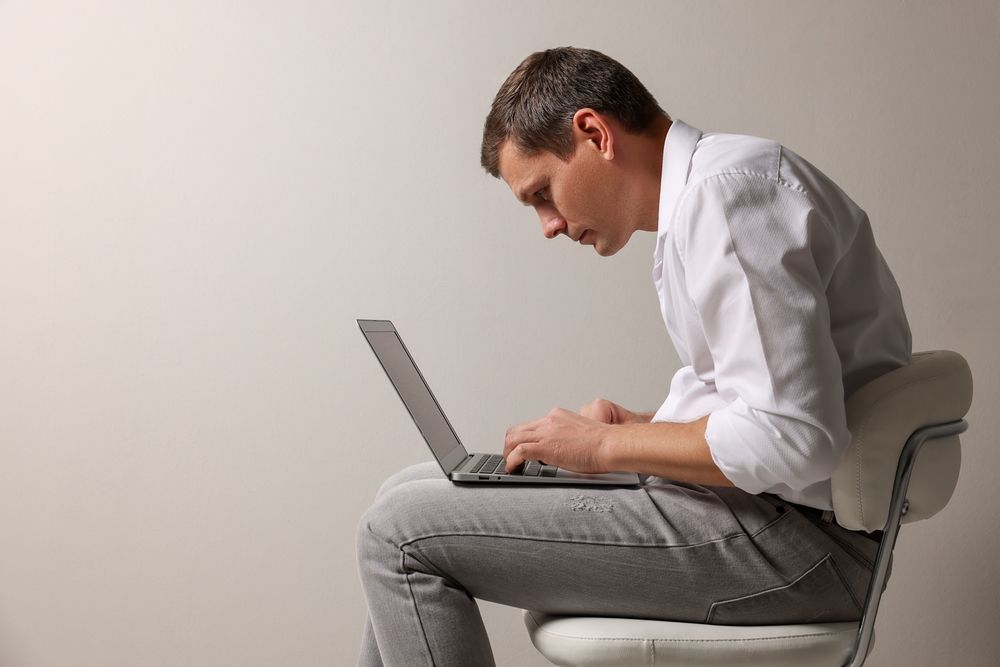
Forward head posture happens when your head shifts in front of your shoulders, often from looking down at a screen or leaning toward a monitor. Even a slight shift puts extra load on the muscles at the base of the skull and along the back of the neck. These muscles stay contracted to hold the head up, leading to tension and fatigue. Over time, that constant strain can irritate nerves, limit blood flow, and trigger headaches, particularly at the base of the skull or behind the eyes.


Some people also notice neck stiffness, jaw tension, or a feeling of pressure in the head. Forward head posture doesn’t always cause pain right away, but when it becomes a daily habit, the stress on your body adds up. Physical therapy for headaches caused by postural strain can help reduce muscle tension, improve alignment, and provide relief that lasts.


When Shoulders Round Your Upper Spine Discomfort

Rounded shoulders often go hand-in-hand with a forward head position, especially during long hours at a desk or hunched over a phone. This posture shifts your upper spine into a curved position, which can tighten chest muscles and overstretch the muscles between your shoulder blades. That imbalance creates tension through the upper back and neck, increasing the chance of headache pain.


As posture breaks down, the surrounding muscles work harder just to keep your head upright. Over time, that added strain can lead to discomfort in the base of the skull, behind the eyes, or even across the forehead. Some people feel a dull ache that spreads from the neck into the head. Addressing rounded shoulders often helps reduce pressure throughout the upper spine, giving the neck and head a chance to recover.


Slouching Effects on Neck Muscles and Joints

Slouching pulls your spine out of its natural alignment and places extra stress on the joints and soft tissues in your neck. Over time, that posture can change how your muscles function, how your joints move, and how well your body handles physical stress. These changes often contribute to headache symptoms, especially when slouching becomes a daily habit.


Here’s what slouching can lead to:


  • Muscle fatigue in the neck and upper back
  • Joint compression in the cervical spine
  • Decreased joint mobility and stiffness
  • Tension buildup in the base of the skull
  • Irritation of nearby nerves that refer pain into the head


Even small posture adjustments throughout the day can ease this pressure. Strengthening supportive muscles and building better movement habits often make a noticeable difference in how your neck and head feel. Improving these patterns also supports long-term injury prevention and more efficient movement.


How Poor Posture Limits Oxygen Flow

Posture affects more than your muscles and joints. It also changes the way you breathe. When you slouch or round forward, your chest cavity has less room to expand. That makes it harder for your diaphragm to move freely, which limits how deeply you can breathe. Shallow breathing reduces the amount of oxygen your body takes in, especially during prolonged sitting or stressful tasks.


Reduced oxygen levels can contribute to fatigue, brain fog, and even tension headaches. Your muscles, especially those in your neck and shoulders, may work harder to help you breathe, creating extra strain. For people who already carry tension in those areas, this pattern can make head pain worse. Improving posture helps restore normal breathing patterns, energy levels, and reduces unnecessary pressure on muscles involved in both posture and respiration.


When Posture Disrupts Spinal Alignment

The spine is designed to support your body through natural curves that absorb stress and allow fluid movement. Poor posture can gradually shift those curves out of balance. When the head juts forward, the shoulders round, or the lower back flattens, the alignment of the entire spine can be affected. This puts uneven pressure on muscles, discs, and joints, which often shows up as pain or stiffness in the neck and upper back.


As spinal alignment shifts, certain muscles become overworked while others weaken. These imbalances can lead to joint irritation, nerve compression, and referred pain, often into the head. Many posture-related headaches are linked to stress on the cervical spine. Supporting proper spinal alignment through targeted movement and postural awareness can help reduce the strain that leads to recurring headaches and physical therapy visits.

Signs That Posture Is Triggering Head Pain

Headaches caused by poor posture often follow a consistent pattern, though many people don’t realize posture is the root of the problem. The pain might start gradually and worsen throughout the day, especially during long periods of sitting or screen time. It often feels like tension building in the neck and creeping upward.


Common signs that posture may be contributing to your headaches include:


  • A dull ache at the base of the skull
  • Pain that spreads from the neck to the forehead or behind the eyes
  • Tightness in the shoulders or upper back
  • Stiffness after sitting for long periods
  • Improvement in symptoms after movement or stretching


If these symptoms sound familiar, improving posture and addressing muscle imbalances may be a key part of finding lasting relief.


What Habits Keep Posture in Check

Posture doesn’t have to be perfect every minute. What matters more is building small, repeatable habits that aid your body throughout the day. These habits can reduce the physical stress that often leads to headaches, especially when practiced consistently.


Helpful posture-supporting habits include:


  • Changing positions often, especially during long sitting periods
  • Keeping screens at eye level to avoid looking down
  • Using a chair that supports your lower back
  • Stretching your chest and strengthening your upper back
  • Practicing deep breathing to reduce tension in neck and shoulder muscles
  • Taking short walks to reset posture and improve circulation


These small adjustments add up over time. When posture improves, tension decreases, and the frequency of posture-related headaches often goes down, too.


If posture is playing a role in your headaches, Rock Valley Physical Therapy can help. No referral is needed. Reach out to start feeling better.

Connect With Us:

More Tips, Insights & Recovery Advice

Man standing in front of Rock Valley Physical Therapy sign in a blue-walled office lobby.
By Kylie Williams June 10, 2026
“Max has been the best physical therapist I have had,’’ she said. “He sincerely listened to what I had to say and was knowledgeable when I asked him questions. He continually asked how the exercises and treatments were feeling. He knew the pain I was in because by surgery time, I could barely walk, sit, or sleep."
By ashley johnson June 4, 2026
We often think of physical therapy as something we only need after a sports injury or a surgery. While PTs are certainly experts in fixing knees and backs, their role in your health goes much deeper. In fact, one of the most important muscles a physical therapist can help you strengthen isn't in your leg or your arm, it’s your heart. Heart disease remains the leading cause of death globally. According to recent data from the American Heart Association, someone in the United States dies of heart disease every 34 seconds. The good news? A lot of cardiovascular disease is preventable through lifestyle changes, with regular movement being one of the most powerful medicines out there. The Challenge of Getting Started Current health guidelines recommend that ad ults get at least 150 minutes of moderate-intensity aerobic activity per week. H owever, for many, that goal feels out of reach. Maybe you want to start walking or cycling, but an old nagging injury flares up every time you try. Or it could be the fear of "doing too much" after a health scare that keeps you on the couch. This is where physical therapy becomes your heart's best friend! How a Physical Therapist Supports Your Heart A physical therapist is a movement specialist. They don't just look at a painful joint, they look at how your whole body moves and how your heart and lungs respond to that movement. Here is how they help you go from staying still to getting active: Before Activity: Before you start a new exercise routine, a PT can assess your balance, strength, and cardiovascular response. This makes sure you start at a level that is challenging enough to strengthen your heart but safe enough to avoid burnout or injury. Overcoming Pain: Many people stop exercising because of joint pain. A PT identifies the root cause of that pain, whether it’s a weakness in the hip causing knee pain or poor posture affecting your breathing, and provides a plan to fix it so you can keep your heart rate up without the aches. Recovery and Beyond: If you have experienced a major health event like a heart attack, stroke, or are undergoing cancer treatment, exercise is vital but can be intimidating. Research highlights that supervised exercise programs led by PTs significantly reduce fatigue and improve quality of life for people recovering from complex medical conditions. Managing Chronic Conditions: Physical therapy is increasingly used to help manage conditions that affect the heart indirectly, such as Type 2 diabetes and high blood pressure, by creating sustainable, low-impact movement plans. Movement is Medicine You don’t need to be a marathon runner to improve your heart health. Brisk walking, swimming, or even gardening can make a massive difference. The key is consistency and safety. If you’ve been hesitant to get moving, or if pain is standing in your way, consider a physical therapy evaluation. Your PT can help give your heart the support it needs to keep you moving for years to come.