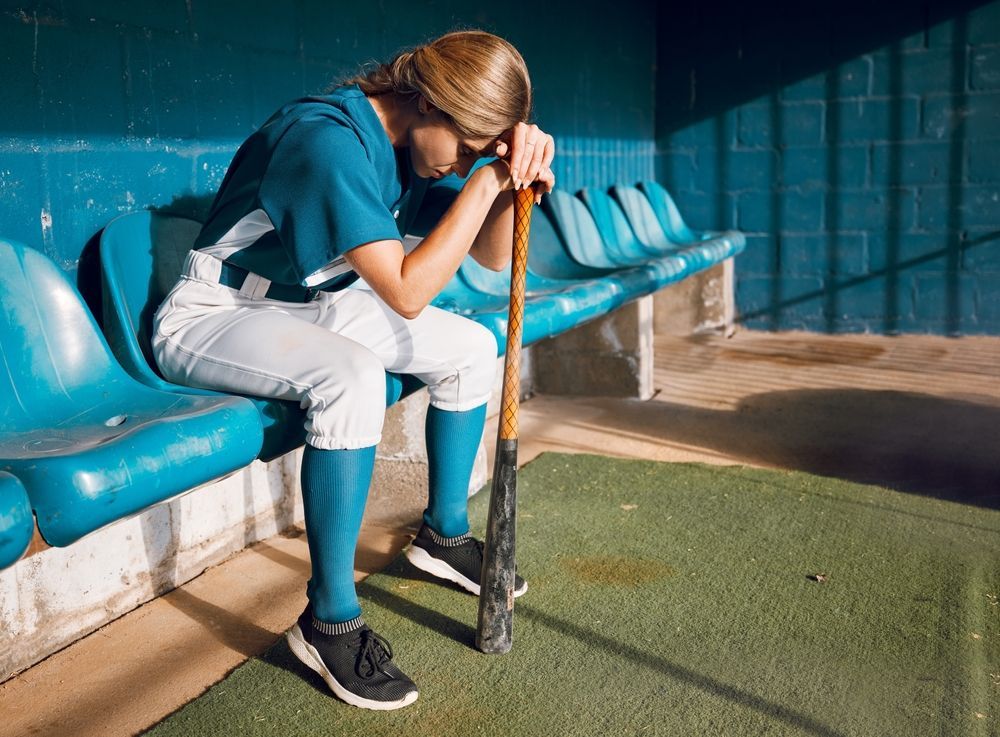
3 Common Softball Injuries
Softball, a cherished sport enjoyed by women of all ages, entails a spectrum of injuries that demand attention. Here’s a comprehensive look at these common injuries, often exacerbated by the overuse of certain muscle groups, and the nuances associated with them:
1.) Overuse Injuries
- Elbow Tendonitis (Strain on UCL): Excessive strain on the ulnar collateral ligament (UCL), particularly prevalent among pitchers due to the repetitive windmill pitch motion, can lead to elbow tendonitis.
- Shoulder Pain (Rotator Cuff Inflammation): The demanding nature of throwing, especially among pitchers and outfielders, can result in rotator cuff inflammation and persistent shoulder pain.
2.) Sprains
- Ankle Sprains: Sudden stops and lateral movements, common actions for infielders and base runners, can cause ankle sprains, with overuse contributing to their susceptibility.
- Wrist Sprains: Collisions with another player or with the base are super common causes for wrist sprains on the Softball field. These are important to monitor as this injury needs time to heal and can get worse if ignored.
3.) Contact Injuries
- Head Injuries (Concussions): Accidental collisions with the ball or other players can lead to head injuries, especially for catchers, batters, and infielders engaged in close plays.
- Fractures: High-impact plays, such as direct hits by the ball, can result in fractures, with the repetitive nature and intensity of the game contributing to the risk.
How to Prevent Softball Injuries
1.) Warming Up Your Arm
To prevent overuse injuries in softball, especially among pitchers, a thorough warm-up routine is crucial. Incorporating windmill exercises, bicep stretches, and shoulder stretches helps prepare the arm for the repetitive throwing motions involved in the game. Light throwing before practices and games allows players to gradually increase intensity, reducing the risk of strain. Additionally, the use of resistance bands can enhance flexibility and strengthen the muscles supporting the throwing arm.
2.) Protective Equipment
Ensuring the use of protective equipment is an essential aspect of injury prevention in softball. Baserunning mitts provide added cushioning and protection to players when sliding into bases, minimizing the risk of hand and finger injuries. Teaching proper sliding techniques, emphasizing safe practices during training, contributes to injury avoidance and promotes a secure playing environment.
3.) Pitch Count
Adhering to pitch count guidelines is a fundamental strategy for preventing overuse injuries, particularly in pitchers. Following league pitch count rules helps manage the workload on players’ arms, reducing the risk of strain and inflammation. It is crucial for coaches, players, and parents to prioritize the well-being of athletes by monitoring pitch counts, allowing adequate rest between pitching sessions, and avoiding excessive throwing, especially for younger players.
How to Treat Softball Injuries
When softball injuries occur, effective treatment is crucial to ensure a prompt and comprehensive recovery. Here are key approaches to treating common softball injuries:
1.) RICE Protocol
The RICE protocol (Rest, Ice, Compress, Elevate) is a fundamental strategy for managing softball injuries.
- Rest: Allow the injured area sufficient time to heal by avoiding activities that may aggravate the condition.
- Ice: Apply ice to the affected area to reduce swelling and alleviate pain. This helps control inflammation in overuse injuries such as shoulder pain and elbow tendonitis.
- Compress: Utilize compression techniques, such as bandages or wraps, to provide support to the injured area and minimize swelling.
- Elevate: Elevate the injured limb above the heart level to enhance blood circulation and further reduce swelling.
2.) Physical Therapy
Engaging in a structured physical therapy program is essential for a comprehensive recovery. Physical therapists can design targeted exercises to improve strength, flexibility, and range of motion, addressing the specific needs of the injured area.
3.) Tapes and Braces
In certain cases, using tapes and braces can offer additional support to the injured region. This is particularly relevant for injuries like sprains or when recovering from fractures. These supportive measures aid in stabilizing the affected area during the healing process.
4.) Gradual Return to Activity
Returning to softball activities should be a gradual process, especially after an injury. Players should follow a prescribed plan provided by healthcare professionals, reintroducing physical activities slowly to prevent re-injury.
Rock Valley PT Is Here to Help
Understanding the dynamics of these injuries, exacerbated by the demands of the game, provides valuable insights into preventive measures and reinforces the significance of prompt and appropriate treatment. In the following sections, we’ll explore strategies for injury prevention and delve into effective treatments when injuries occur.
Seek out a licensed Physical Therapist at Rock Valley Physical Therapy before the injury develops and identify possible causes contributing to the athlete’s pain. A Physical Therapist will develop a plan to get your athlete back to their optimal playing performance. At Rock Valley Physical Therapy, we offer an injury screen to assess the injury and explain treatment options. Knowledge of common risk factors, impairments, and effective strategies/interventions can prevent or minimize the impact of these injuries.