
Common Pickleball Injuries: Ways to Prevent Them

Share this Article:

Pickleball has exploded in popularity across the U.S., and with good reason. It’s fun, social, and offers a great workout without needing elite athletic skills. But like any fast-paced sport, it comes with its fair share of physical demands. At Rock Valley Physical Therapy, we’ve seen a noticeable rise in patients experiencing injuries from the game. The good news is that most of these injuries are preventable and treatable.


Whether you’re a seasoned player or just picked up a paddle, understanding common pickleball injuries and how to prevent them is key to enjoying the game safely.

Why Pickleball Is So Popular—and Risky

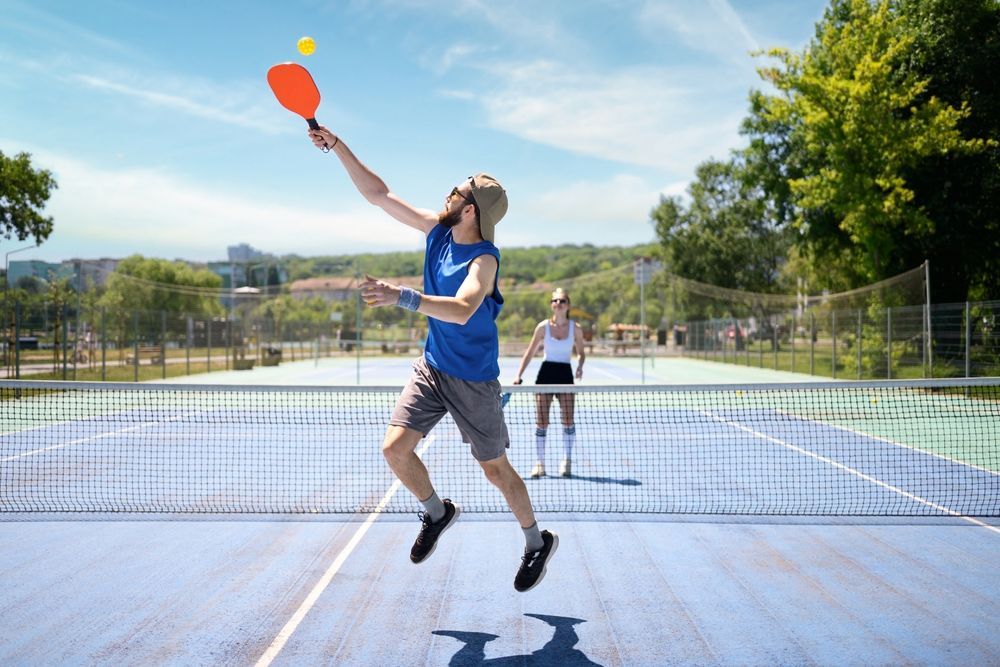
Pickleball combines elements of tennis, badminton, and ping pong, making it accessible for all ages and skill levels. It’s easy to learn and played on a smaller court, which appeals to older adults and beginners looking for a lower-impact activity.


Here’s the catch. The game still involves quick direction changes, repeated arm motions, and short bursts of speed. This mix of accessibility and intensity makes it risky, especially for people who may not have trained their bodies for sudden athletic movements.


Many injuries we see happen because players jump into the sport without proper warmups, conditioning, or understanding the physical stress it can place on joints, muscles, and tendons.


Most Common Pickleball Injuries We See

At Rock Valley PT, our team treats a variety of pickleball-related injuries. A few, however, stand out as the most common:


  • Pickleball Elbow (similar to tennis elbow): Overuse of forearm muscles from repetitive swinging can lead to pain and inflammation in the outer elbow.
  • Shoulder Strains and Rotator Cuff Injuries: Serving and overhead shots can aggravate shoulder tendons and muscles, especially if form is off or mobility is limited.
  • Ankle Sprains: Sudden pivots or missteps often lead to rolled ankles, particularly on unfamiliar or slick courts.
  • Knee Injuries: Quick lateral movements increase the risk for ligament strains or meniscus irritation.
  • Calf or Achilles Strains: Sprinting for a shot can overstress the lower leg, sometimes resulting in painful strains or even tears.
  • Lower Back Pain: Repeated bending, twisting, and poor core support can contribute to back discomfort or injury.


Understanding these common pickleball injuries is the first step in reducing your risk.


What Causes These Injuries?

While every case is different, certain patterns tend to emerge among pickleball injuries:


  • Lack of Warm-Up: Starting to play with cold muscles and joints often leads to strains and sprains.
  • Poor Mechanics: Improper form or footwork increases stress on joints and tendons.
  • Overuse: Playing multiple days a week without rest can cause wear and tear over time, especially in older adults.
  • Deconditioning: People often underestimate how physically demanding pickleball can be. Without foundational strength, mobility, and balance, the body becomes more vulnerable.
  • Inappropriate Footwear: Running or walking shoes don’t provide the lateral support needed for court sports.
  • Age-Related Changes: As we age, muscle elasticity, bone density, and joint lubrication naturally decline. This makes injuries more likely if precautions aren’t taken.


Prevention Tips to Keep You on the Court

Pickleball is meant to be enjoyable, not painful. Here’s how to stay injury-free while making the most of your time on the court:


1.Warm Up and Cool Down

Start with 5 to 10 minutes of dynamic stretching, gentle jogging, or mobility work before each game. After playing, cool down with static stretches to promote recovery.


2. Focus on Footwork

Practice safe, controlled lateral movements to avoid twisting or rolling an ankle. Avoid crossing your feet when changing directions.


3. Use Proper Technique

Learning correct swing mechanics and body positioning reduces stress on joints, especially the shoulder and elbow.


4. Cross-Train and Strengthen

Build leg, core, and shoulder strength to better support quick movements. This also helps reduce impact on vulnerable areas. Balance training is important too.


5. Choose the Right Shoes

Wear court shoes that provide good grip and lateral support to protect your ankles and knees.


6. Know When to Rest

Give your body time to recover, especially after long or intense games. Pay attention to small aches before they become major injuries.


7.Stay Hydrated and Eat Well

Proper nutrition and hydration help your body perform and recover more efficiently.


How Physical Therapy Can Help Prevent (and Treat) Injuries

Physical therapy is more than a way to recover from an injury. It’s also a proactive strategy to stay pain-free and active. At Rock Valley PT, we take a full-body approach to movement. Our therapists can:


  • Evaluate your mechanics, mobility, and muscle imbalances
  • Develop customized strength and stretching routines
  • Offer sport-specific movement retraining to improve efficiency and reduce joint stress
  • Treat existing injuries with hands-on therapy, dry needling, or modalities like blood flow restriction (BFR)
  • Guide you through a safe return-to-play plan


If you’re dealing with discomfort or want to prevent injuries before they happen, working with a physical therapist can improve your performance and peace of mind.


Don’t Ignore the Warning Signs

Many injuries start with a whisper before they turn into a shout. It’s easy to brush off mild elbow pain or stiffness in the shoulder as “just soreness,” but your body is often sending an important signal.


Watch for:

  • Pain that lasts longer than a few days
  • Swelling, bruising, or visible changes in the joint
  • Limited range of motion or muscle weakness
  • Pain that worsens with activity


Addressing these signs early makes treatment easier and recovery faster. Waiting too long can turn a small issue into a serious problem.


Schedule an Appointment Today!

Pickleball should be fun and keep you moving. If you’re noticing discomfort, injuries, or stiffness, now is the time to act. No referral is needed. With more than 60 locations, flexible hours, and expert therapists, getting care is easy.


Get back to doing what you love. 
Book your appointment today and enjoy the game without pain holding you back.

Connect With Us:

More Tips, Insights & Recovery Advice

Man standing in front of Rock Valley Physical Therapy sign in a blue-walled office lobby.
By Kylie Williams June 10, 2026
“Max has been the best physical therapist I have had,’’ she said. “He sincerely listened to what I had to say and was knowledgeable when I asked him questions. He continually asked how the exercises and treatments were feeling. He knew the pain I was in because by surgery time, I could barely walk, sit, or sleep."
By ashley johnson June 4, 2026
We often think of physical therapy as something we only need after a sports injury or a surgery. While PTs are certainly experts in fixing knees and backs, their role in your health goes much deeper. In fact, one of the most important muscles a physical therapist can help you strengthen isn't in your leg or your arm, it’s your heart. Heart disease remains the leading cause of death globally. According to recent data from the American Heart Association, someone in the United States dies of heart disease every 34 seconds. The good news? A lot of cardiovascular disease is preventable through lifestyle changes, with regular movement being one of the most powerful medicines out there. The Challenge of Getting Started Current health guidelines recommend that ad ults get at least 150 minutes of moderate-intensity aerobic activity per week. H owever, for many, that goal feels out of reach. Maybe you want to start walking or cycling, but an old nagging injury flares up every time you try. Or it could be the fear of "doing too much" after a health scare that keeps you on the couch. This is where physical therapy becomes your heart's best friend! How a Physical Therapist Supports Your Heart A physical therapist is a movement specialist. They don't just look at a painful joint, they look at how your whole body moves and how your heart and lungs respond to that movement. Here is how they help you go from staying still to getting active: Before Activity: Before you start a new exercise routine, a PT can assess your balance, strength, and cardiovascular response. This makes sure you start at a level that is challenging enough to strengthen your heart but safe enough to avoid burnout or injury. Overcoming Pain: Many people stop exercising because of joint pain. A PT identifies the root cause of that pain, whether it’s a weakness in the hip causing knee pain or poor posture affecting your breathing, and provides a plan to fix it so you can keep your heart rate up without the aches. Recovery and Beyond: If you have experienced a major health event like a heart attack, stroke, or are undergoing cancer treatment, exercise is vital but can be intimidating. Research highlights that supervised exercise programs led by PTs significantly reduce fatigue and improve quality of life for people recovering from complex medical conditions. Managing Chronic Conditions: Physical therapy is increasingly used to help manage conditions that affect the heart indirectly, such as Type 2 diabetes and high blood pressure, by creating sustainable, low-impact movement plans. Movement is Medicine You don’t need to be a marathon runner to improve your heart health. Brisk walking, swimming, or even gardening can make a massive difference. The key is consistency and safety. If you’ve been hesitant to get moving, or if pain is standing in your way, consider a physical therapy evaluation. Your PT can help give your heart the support it needs to keep you moving for years to come.