Pre-Surgery Rehab
0 weeks
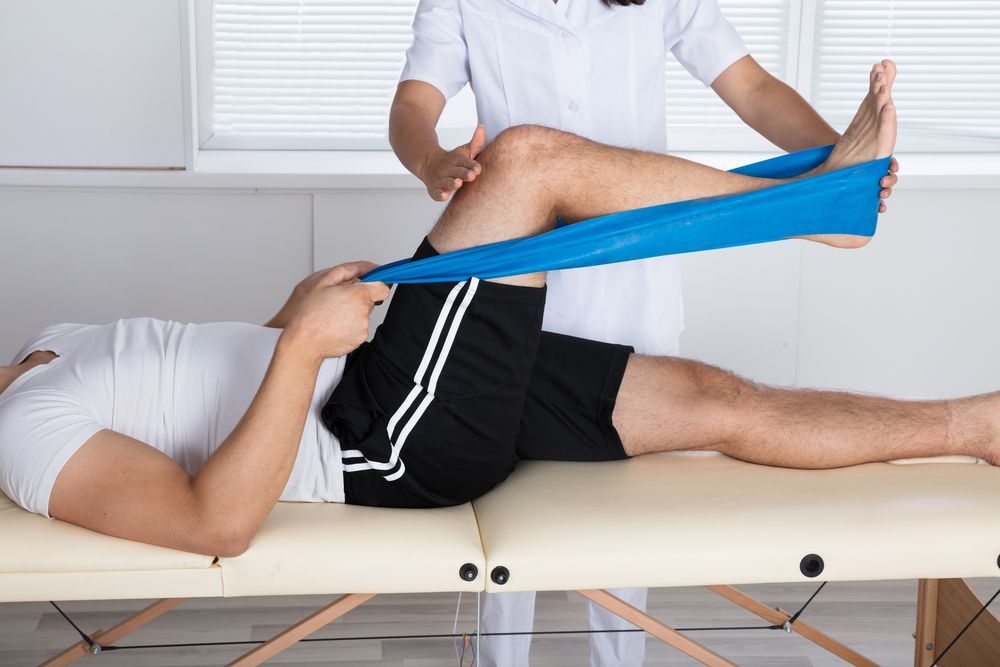
Prior to your surgery, it may be beneficial for you to come in for pre-rehabilitation physical therapy, sometimes called prehab. During this process, we’ll work to help ensure your body is ready for the procedure. Often it involves spending some time working on getting swelling to subside, normalizing range of motion and your walking pattern, and strengthening the muscles around the knee. This does not fix the tear in the ACL, but it does minimize strength loss and sets the stage for a successful recovery after surgery.
Begin ACL Physical Therapy
Weeks 1 to 3
Physical Therapy after surgery focuses on: protecting the graft and allowing it to heal, eliminating swelling, regaining range of motion, and initiating exercises to improve muscular activation and strength around the knee joint.
Swelling control after surgery is very important. Your well-trained physical therapist will be able to provide instruction on ways to eliminate or minimize swelling. Some of these include: how to properly utilize ice, apply compression, and use elevation to assist.
Stiffness or tightness in the knee after surgery is normal, but your physical therapist will work with you to regain mobility as soon as possible. Normalizing range of motion in the knee minimizes the possibility of scar formation and allows for the mobility necessary to progress back to normal activity.
It’s quite important to regain proper control over the leg muscles, specifically the quadriceps, which may be inhibited after surgery by pain and swelling. The ability to contract the quadriceps well ensures that once you start walking you will have a normal pattern and proper balance.
These first few weeks, which could extend to four or more depending on your improvement, are all about baby steps. We want to eliminate some of the most common causes of problems after surgery, such as stiffness or a loss of range of motion of the joint in the knee. We also want to focus on keeping those muscles strong.
Strengthening Phase
Weeks 4 to 10
This is the stage when you will start to see a significant amount of improvement. Although the repair is still healing, it is important to progress activity gradually and under the supervision of your physical therapist. Your physical therapist will ensure you are walking normally with proper alignment. Normalizing your walking pattern early in the recovery process is important. You may need to use an assistive device, such as crutches, or a brace to help you walk without compensations.
During this time, you’ll continue to have manual therapy as well as an exercise-based treatment program. The ACL graft tissue is continuing to heal and goes through a remodeling process, where it becomes more similar to ligamentous tissue that can handle more of the force that is required of the ACL.
Initially, you may need an assistive device or a brace to help you with walking, but during this time period you should transition to walking without assistance. Inflammation should be low, so you should start to see your mobility improve substantially at this level.
Transition to higher level activity
Weeks 12 to 16
Between the walking and running process, you will need to give your body a lot of time to improve. Some people might be ready to work on drills toward returning to run. Every individual’s progress is different, and your therapist will provide more insight into where you should be during this process.
Most often, swelling in your knee should have subsided. You should have full range of motion with the knee, including the ability to fully straighten and bend it. If stiffness is present, your therapist will work through manual therapy to help overcome these limitations.
Your physical therapy during this stage is going to be to build up your core strength and strength of all the muscles of the lower body, especially the quadriceps. Some endurance training may get underway in a controlled environment, such as on a stationary bike. Healing is still occurring, so you are not likely to be hitting the trail just yet. Criteria for running under the supervision of a physical therapist include: absence of swelling, full ROM, and quadriceps strength that is 70% of normal.
Full Recovery
Weeks 16 – nine months
In the weeks following, you should see a gradual sense of getting back to normal or better. It can take an ACL injury a significant amount of time to heal, but at this point, you should be noticing less overall frustration and more performance. It’s a good idea to start getting active, as long as your therapist approves it. A PT will guide you through gradual progression of return to sport activities, though some drills may become more challenging for you until your body re-learns how to do them.
Based upon research, the average time frame to return to full sports activity is usually nine months, so be patient with your body.
It will take some time for you to get back to 100 percent performance. Yet, if you continue working with your physical therapist, you will notice this process is working very well to get you back out there and playing at your best again. It takes time, but the work you put in now in physical therapy will pay off. Don’t push the ACL recovery timeline too much to get to that point.
Rock Valley Physical Therapy
Rock Valley Physical Therapy is dedicated to getting you back to doing the things you love. We go the extra mile to ensure that patients receive the very best level of recovery possible. If you need physical therapy for any sports injury, including ACL rehab, contact us directly to learn more about what we do.