

Can Physical Therapy Help with Back Pain?

February 13, 2025

Share this Article:

It is not uncommon to have aches and pains, especially after significant physical strain or a long day on your feet. Even the wrong shoes can make you feel “off.” Yet, for many people, back pain is more significant, ongoing, or debilitating, requiring more advanced treatment.


Physical therapy, or PT, could be a solution. PT for back pain enables you to see a significant improvement in pain levels, often through symptom reduction. Consider what PT for back discomfort and aches can mean for you.

Understanding Back Pain: Causes and Common Symptoms

Back pain happens for many reasons. The pain can feel different depending on the underlying cause. Some examples include:


  • Burning pain
  • Shooting pain
  • Stabbing pain
  • Aches and areas of tenderness
  • Discomfort or limited ability to walk


Understanding why you feel those symptoms can be critical to finding relief. Some of the most common causes of back pain include:


  • Muscle or ligament strain, often due to picking up something that’s heavy or turning quickly in an awkward movement
  • Bulging or ruptured disks are brought on when these cushions between the bones of the spine compress and press on a nerve. This may be due to degenerative conditions or injuries.
  • Osteoporosis, which happens over time as the vertebrae develop, breaks because the bones are brittle or porous.
  • Arthritis, a common cause of lower back pain, happens when there is a narrowing of the space surrounding the spinal cord or the joints wear down.


Other conditions can also cause back pain. With proper examinations, your doctor can determine the underlying cause. Then, it’s possible to find a treatment. For many people, PT for back pain can be highly effective as a treatment.


How Physical Therapy Helps Back Pain

Applications of physical therapy can offer a wide range of benefits. This may include:


  • Reduction of pain symptoms: By reducing compression on nerves and improving muscle and joint alignment, it’s possible for physical therapy to alleviate the underlying cause of the pain.
  • Improved function: Physical therapy works to improve the way the muscles, ligaments, and joints work in this area of the body. Improved function results from better strength and stability in this area.
  • Increased flexibility and range of motion: Helping your body to move properly gives you more freedom to do the things you want without pain.


A physical therapist will assess the back pain, the underlying cause, and opportunities for improvement. They can then focus on treating the specific restrictions you have and the cause of your limited movement and function. This helps the area heal and supports less risk for further damage in the future.

Techniques Used in Physical Therapy

After a full assessment, your physical therapist will then determine the best techniques for treatment. If you have lower back pain, this may include the use of stretching the muscles of the back. For those with shooting pain down into their hips, the use of physical therapy for sciatica could be helpful.


Potential techniques include:


  • Strengthening exercises. For back pain brought on by poor posture or improper movements, strengthening exercises can offer help. PT for back pain in this case could focus specifically on building the muscles in the targeted area. It helps build strength to the spine and the muscles supporting it.
  • Improved movement patterns. PT can help to retrain your muscle movements to improve function. By ensuring your muscles and bones are working properly, it is possible to prevent future back pain development.
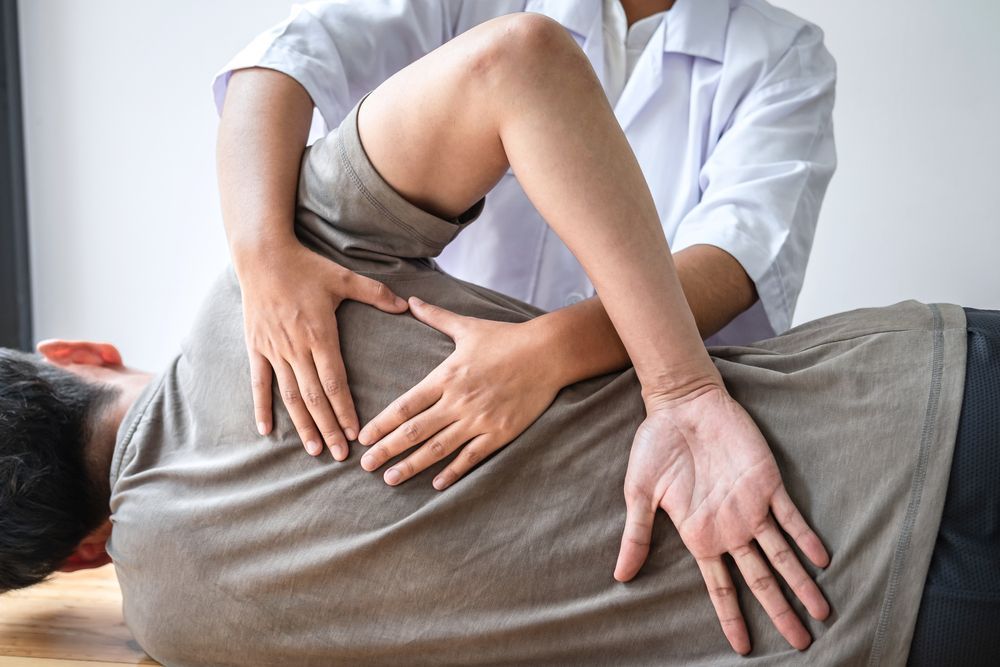
  • Manual therapy. This type of treatment allows physical therapists to apply specific pressure and manipulation of tissues, muscles, and joints to enable improved function. It can help to encourage healing in the area and reduce inflammation as a result.


Physical therapy can help encourage healing and proper function of the spine and muscles after an injury. It can also help improve function as you get older and develop degenerative conditions. As a flexible treatment tool, it’s easy to see the vast number of ways PT for back pain can be helpful.

Benefits Compared to Other Treatments

Physical therapy can offer significant help without as many complications or risks. There are several reasons to select this type of treatment as a first step in finding relief.


  • It’s less invasive. Though other types of treatment may be necessary for serious accidents and injuries, for those who have mild to moderate pain, the use of physical therapy can be far less invasive than other methods.
  • It creates a prevention plan. Not only does physical therapy help to improve symptoms, but it also works to strengthen the muscles in the treatment area. This may help prevent further complications over time.
  • It may help you avoid or postpone surgery. For many patients, physical therapy may be able to do enough to help you avoid more aggressive treatment or loss of mobility. This could help build strength to reduce the risk of falls, too.


Preventing Long-Term Back Pain

If you wake up each morning with aches and pains after sleeping, that could be an early warning sign that you need to take action to protect your back, spinal column, and cord, as well as the muscles in this area. To prevent long-term back pain and complications to your health and well-being, it’s always wise to act as soon as you notice discomfort and pain.


Preventing long-term back pain may also be done with these strategies:


  • Improve your core muscle strength.
  • Align your posture to a better fit.
  • Lift with care.
  • Sleep on a supportive mattress.
  • Remain active.


Contact Rock Valley Physical Therapy Today!

If you are struggling with back pain, whether it is upper or lower back pain, recognize that you have the opportunity to improve the way you feel. To achieve this goal, seek out treatment for your back pain now. PT for back pain relief starts with making a call to Rock Valley Physical Therapy. Contact us now to get in to see our physical therapists for the relief you need.

Connect With Us:

More Tips, Insights & Recovery Advice

Man standing in front of Rock Valley Physical Therapy sign in a blue-walled office lobby.
By Kylie Williams June 10, 2026
“Max has been the best physical therapist I have had,’’ she said. “He sincerely listened to what I had to say and was knowledgeable when I asked him questions. He continually asked how the exercises and treatments were feeling. He knew the pain I was in because by surgery time, I could barely walk, sit, or sleep."
By ashley johnson June 4, 2026
We often think of physical therapy as something we only need after a sports injury or a surgery. While PTs are certainly experts in fixing knees and backs, their role in your health goes much deeper. In fact, one of the most important muscles a physical therapist can help you strengthen isn't in your leg or your arm, it’s your heart. Heart disease remains the leading cause of death globally. According to recent data from the American Heart Association, someone in the United States dies of heart disease every 34 seconds. The good news? A lot of cardiovascular disease is preventable through lifestyle changes, with regular movement being one of the most powerful medicines out there. The Challenge of Getting Started Current health guidelines recommend that ad ults get at least 150 minutes of moderate-intensity aerobic activity per week. H owever, for many, that goal feels out of reach. Maybe you want to start walking or cycling, but an old nagging injury flares up every time you try. Or it could be the fear of "doing too much" after a health scare that keeps you on the couch. This is where physical therapy becomes your heart's best friend! How a Physical Therapist Supports Your Heart A physical therapist is a movement specialist. They don't just look at a painful joint, they look at how your whole body moves and how your heart and lungs respond to that movement. Here is how they help you go from staying still to getting active: Before Activity: Before you start a new exercise routine, a PT can assess your balance, strength, and cardiovascular response. This makes sure you start at a level that is challenging enough to strengthen your heart but safe enough to avoid burnout or injury. Overcoming Pain: Many people stop exercising because of joint pain. A PT identifies the root cause of that pain, whether it’s a weakness in the hip causing knee pain or poor posture affecting your breathing, and provides a plan to fix it so you can keep your heart rate up without the aches. Recovery and Beyond: If you have experienced a major health event like a heart attack, stroke, or are undergoing cancer treatment, exercise is vital but can be intimidating. Research highlights that supervised exercise programs led by PTs significantly reduce fatigue and improve quality of life for people recovering from complex medical conditions. Managing Chronic Conditions: Physical therapy is increasingly used to help manage conditions that affect the heart indirectly, such as Type 2 diabetes and high blood pressure, by creating sustainable, low-impact movement plans. Movement is Medicine You don’t need to be a marathon runner to improve your heart health. Brisk walking, swimming, or even gardening can make a massive difference. The key is consistency and safety. If you’ve been hesitant to get moving, or if pain is standing in your way, consider a physical therapy evaluation. Your PT can help give your heart the support it needs to keep you moving for years to come.