

Why Does my Lower Back Hurt After Cycling?
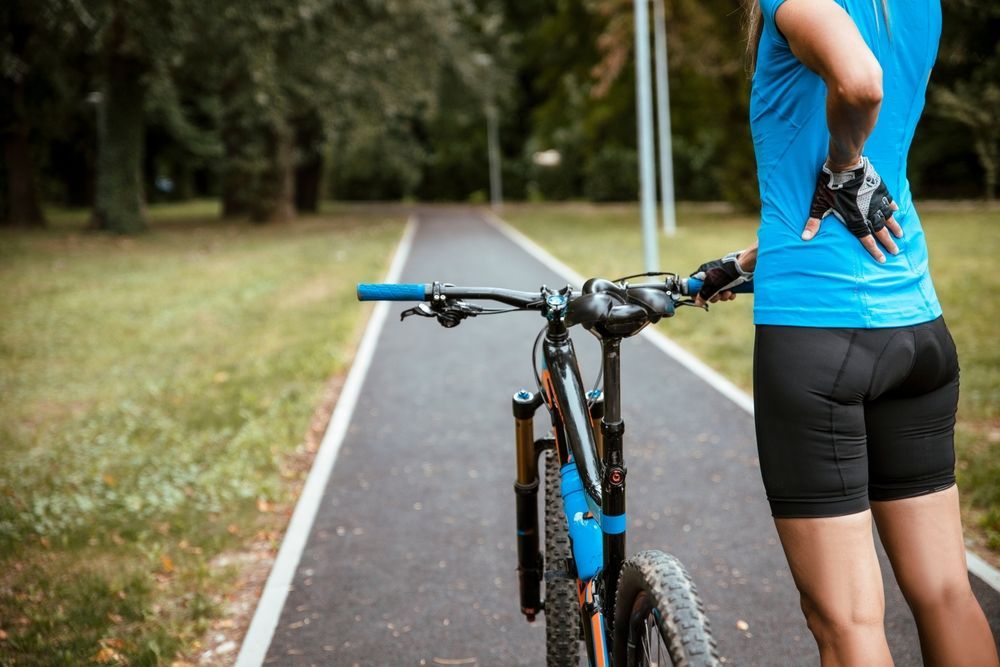
You finish a ride feeling strong, but a few hours later, your lower back starts to ache. Or maybe the discomfort begins before the ride is even over, making it harder to stay in position as the miles add up. If this sounds familiar, you're not alone.
Cycling back pain is a common complaint among riders of all experience levels. While the pain is felt in the lower back, the underlying cause isn't always located there. Bike fit, mobility, muscle strength, and training habits can all influence how much stress your back absorbs during a ride. Once you identify what's contributing to the discomfort, it's easier to make changes that reduce strain and improve comfort on the bike.
Why Cycling Can Trigger Lower Back Pain
Cycling places your body in a forward-leaning position for long periods of time. While that's part of riding efficiently, it can also increase stress on the muscles, joints, and ligaments that support your spine. Repeating the same pedaling motion over and over can add to that strain, especially on longer rides.
Cycling back pain is rarely caused by a single issue. Instead, it's usually the result of several factors working together, such as bike fit, limited mobility, muscle weakness, or training habits. Addressing the root cause can help reduce discomfort and make time on the bike more enjoyable.
How Bike Fit Affects Your Lower Back
Even a small issue with your bike fit can put extra stress on your lower back. A saddle that's too high or too low, handlebars that are too far away, or a reach that's too aggressive can force your body into positions that increase strain with every pedal stroke.
A proper bike fit helps distribute your weight more evenly and allows you to maintain a comfortable riding position. If your
back pain started after changing bikes, adjusting components, or increasing your riding time, it's worth taking a closer look at your setup before assuming your back is the problem.

Could Tight Hips Be Causing the Pain?
Your hips play a major role in how your body moves on the bike. When the muscles around your hips become tight, your lower back may compensate by moving more than it should. Over time, that added stress can lead to stiffness or discomfort during and after a ride.
Improving hip mobility can help reduce strain on the lower back and make your pedal stroke feel smoother.
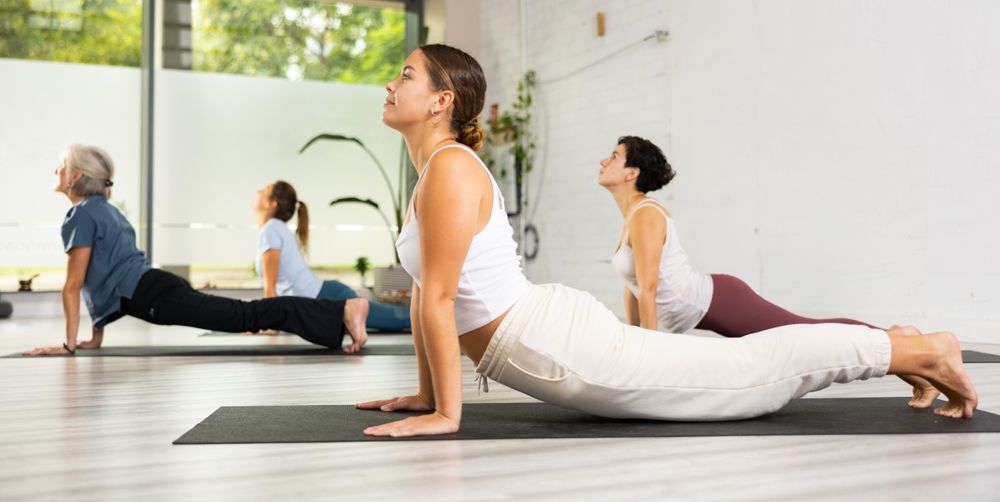
Regular stretching, mobility exercises, and taking time to recover between rides can all help keep your hips moving well.
Weak Core Muscles and Cycling Posture
Your core helps stabilize your spine and supports your body while you ride. If those muscles fatigue or aren't strong enough, your lower back may end up doing more of the work to keep you in position. This becomes more noticeable on longer rides or when riding over uneven terrain.
Building core strength can improve stability and reduce unnecessary strain on your back. It's also helpful to check in with your riding posture, keeping your shoulders relaxed and avoiding excessive rounding through your lower back whenever possible.
Training Habits That Increase Back Strain
Sometimes the issue isn't your bike. It's how quickly your training has changed. Increasing mileage, adding more hills, or riding on consecutive days without enough recovery can overload the muscles that support your lower back.
Gradually building your training volume gives your body time to adapt to the demands of cycling. Mixing in strength training, mobility work, and rest days can also help reduce fatigue and lower your risk of developing persistent back pain.
Simple Ways to Relieve Pain After Riding
If your lower back feels sore after a ride, gentle movement is usually more helpful than complete rest. A short walk, light stretching, or mobility exercises can help reduce stiffness and improve circulation. Applying heat may also help relax tight muscles.
It's also important to give your body time to recover between rides, especially after increasing your distance or intensity. If soreness doesn't improve with rest or returns after every ride, there may be an underlying issue that needs to be addressed.

When to See a Physical Therapist
Some muscle soreness after a challenging ride is normal, but ongoing pain is not. If your back pain keeps returning, worsens during rides, or starts limiting how long or how comfortably you can cycle, it's time to look beyond temporary fixes. A physical therapist can identify the underlying cause, whether it's related to mobility, strength, movement patterns, or another issue affecting your riding.
At Rock Valley Physical Therapy, we work with cyclists to reduce pain, improve movement, and help prevent future injuries with personalized treatment plans tailored to their goals. No physician referral is needed to get started. Find a Rock Valley Physical Therapy clinic near you and schedule an evaluation so you can get back to riding with greater comfort and confidence.