


Summer is a great time to get outside and enjoy activities like running, hiking, and swimming. Moving your body is great for your health! But sometimes, fun activities can lead to aches and pains. The good news is that many common summer sports injuries can be avoided. As physical therapists, we want to help you stay active and safe. Studies show that programs to prevent injuries really can work. Taking a few simple steps before, during, and after your activities can make a big difference. Before You Go: Warm Up Your Body Think of a warm-up as a gentle wake-up call for your muscles. It gets your blood flowing and prepares your body for more activity. This can help lower your chances of getting hurt. For Running & Hiking: Start with 5-10 minutes of light cardio, like brisk walking or jogging in place. Try some dynamic stretches - these are stretches where you move: Leg Swings: Hold onto something stable and gently swing one leg forward and back (10 times), then side to side (10 times). Repeat with the other leg. Arm Circles: Make big circles with your arms forward (10 times) and then backward (10 times). Walking Lunges: Step forward into a lunge, keeping your front knee over your ankle. Alternate legs for 10-12 lunges. For Swimming: Begin with a few minutes of easy swimming at a slow pace. Do some gentle arm and leg movements in the water or on the pool deck: Arm Swings: Similar to above, swing your arms forward and backward. Shoulder Rolls: Roll your shoulders up, back, and down (10 times). Smart Moves to Avoid Common Injuries Each activity has its own set of common issues. Here’s how to protect yourself: Running: Common Issues: Runner's knee, shin splints, and ankle sprains. Stay Safe: Wear good running shoes that fit well and replace them when they wear out. Increase your running distance and speed slowly. Don't do too much, too soon. Run on softer surfaces when possible. Hiking: Common Issues: Ankle sprains, blisters, and knee pain. Stay Safe: Wear sturdy hiking shoes or boots with good ankle support. Use hiking poles, especially on uneven ground, to help with balance. Pay attention to the trail and where you are stepping. Drink plenty of water, especially on hot days. Swimming: Common Issues: Swimmer's shoulder and neck pain. Stay Safe: Focus on good swimming form. If you’re unsure, a lesson could help. Don’t overdo it with training equipment like hand paddles too soon. Listen to your body. If your shoulder or neck hurts, take a break. After Your Activity: Cool Down and Recover Just like a warm-up, a cool-down helps your body. It allows your heart rate to return to normal slowly and can help reduce muscle soreness. Cool Down (All Activities): Finish with 5-10 minutes of slower activity. For example, walk after a run or hike, or do some very easy swimming. Recovery Tips: Gentle Stretching: Hold stretches for 20-30 seconds. Focus on the muscles you used. For example, stretch your hamstrings (back of thighs), quadriceps (front of thighs), and calves after running or hiking. For swimming, stretch your shoulders and chest. Hydrate: Drink water to replace fluids you lost while sweating. Eat Well: Have a balanced snack or meal with some protein and carbohydrates to help your muscles recover. Rest: Make sure you get enough sleep. This is when your body does a lot of its repair work. Listen to Your Body: If something feels wrong or you have pain that doesn't go away, don't ignore it. Enjoy your summer activities! Take these simple steps to help keep yourself injury-free and feeling your best. If you do experience pain or an injury, remember that physical therapy can help you get back to doing the things you love. No prescription. No referral. Just reach out and we'll help!
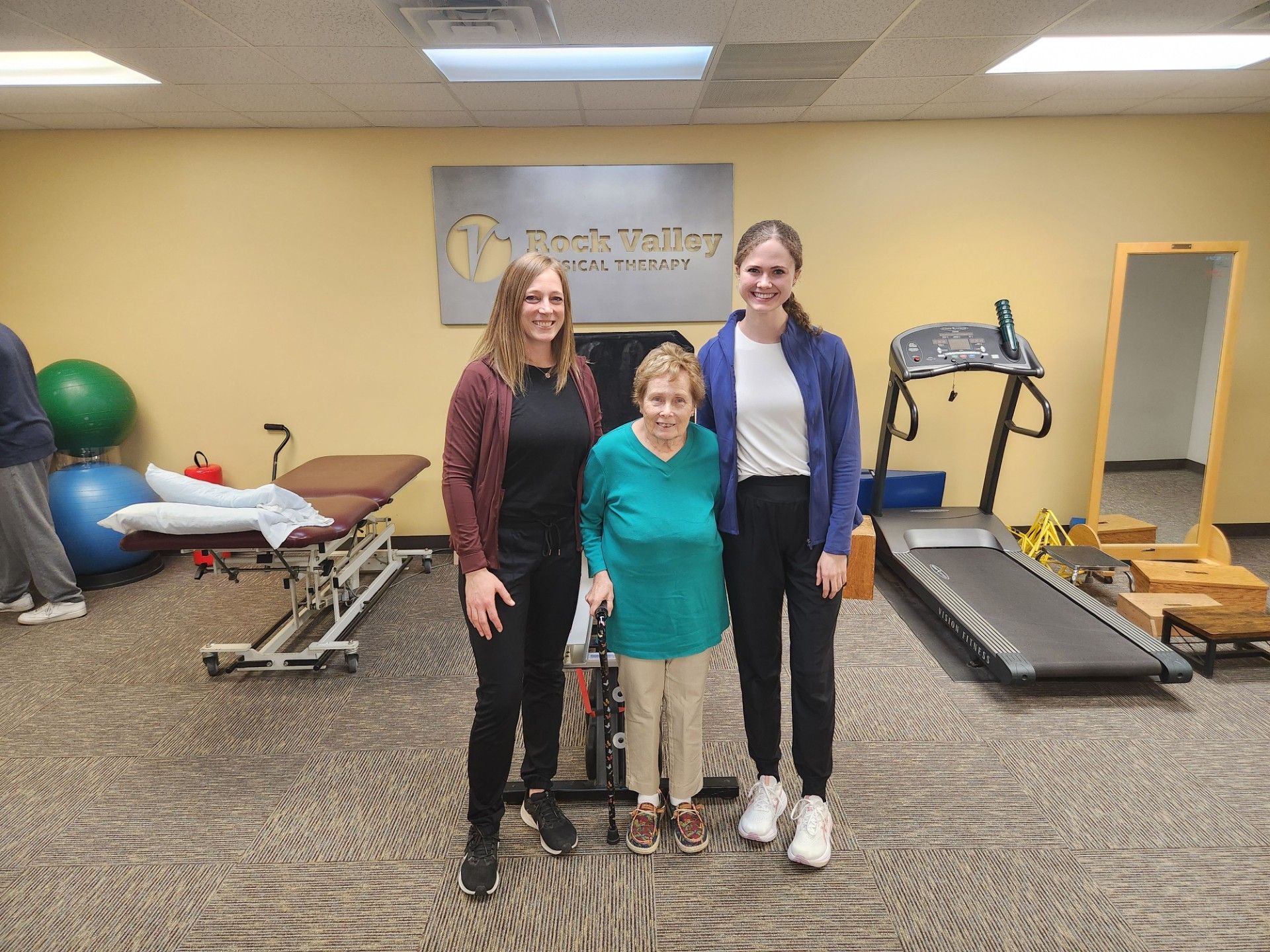
“Sarah and everyone else here have saved my life,’’ Rock added. “Sarah is always looking in on me at home, and that means something to me. Therapy is about me getting better, stronger, understanding what I can and cannot do. It's about easier ways to do things – whether it’s in the kitchen – or with everyday tasks."

“Max has been the best physical therapist I have had,’’ she said. “He sincerely listened to what I had to say and was knowledgeable when I asked him questions. He continually asked how the exercises and treatments were feeling. He knew the pain I was in because by surgery time, I could barely walk, sit, or sleep."

We often think of physical therapy as something we only need after a sports injury or a surgery. While PTs are certainly experts in fixing knees and backs, their role in your health goes much deeper. In fact, one of the most important muscles a physical therapist can help you strengthen isn't in your leg or your arm, it’s your heart. Heart disease remains the leading cause of death globally. According to recent data from the American Heart Association, someone in the United States dies of heart disease every 34 seconds. The good news? A lot of cardiovascular disease is preventable through lifestyle changes, with regular movement being one of the most powerful medicines out there. The Challenge of Getting Started Current health guidelines recommend that ad ults get at least 150 minutes of moderate-intensity aerobic activity per week. H owever, for many, that goal feels out of reach. Maybe you want to start walking or cycling, but an old nagging injury flares up every time you try. Or it could be the fear of "doing too much" after a health scare that keeps you on the couch. This is where physical therapy becomes your heart's best friend! How a Physical Therapist Supports Your Heart A physical therapist is a movement specialist. They don't just look at a painful joint, they look at how your whole body moves and how your heart and lungs respond to that movement. Here is how they help you go from staying still to getting active: Before Activity: Before you start a new exercise routine, a PT can assess your balance, strength, and cardiovascular response. This makes sure you start at a level that is challenging enough to strengthen your heart but safe enough to avoid burnout or injury. Overcoming Pain: Many people stop exercising because of joint pain. A PT identifies the root cause of that pain, whether it’s a weakness in the hip causing knee pain or poor posture affecting your breathing, and provides a plan to fix it so you can keep your heart rate up without the aches. Recovery and Beyond: If you have experienced a major health event like a heart attack, stroke, or are undergoing cancer treatment, exercise is vital but can be intimidating. Research highlights that supervised exercise programs led by PTs significantly reduce fatigue and improve quality of life for people recovering from complex medical conditions. Managing Chronic Conditions: Physical therapy is increasingly used to help manage conditions that affect the heart indirectly, such as Type 2 diabetes and high blood pressure, by creating sustainable, low-impact movement plans. Movement is Medicine You don’t need to be a marathon runner to improve your heart health. Brisk walking, swimming, or even gardening can make a massive difference. The key is consistency and safety. If you’ve been hesitant to get moving, or if pain is standing in your way, consider a physical therapy evaluation. Your PT can help give your heart the support it needs to keep you moving for years to come.
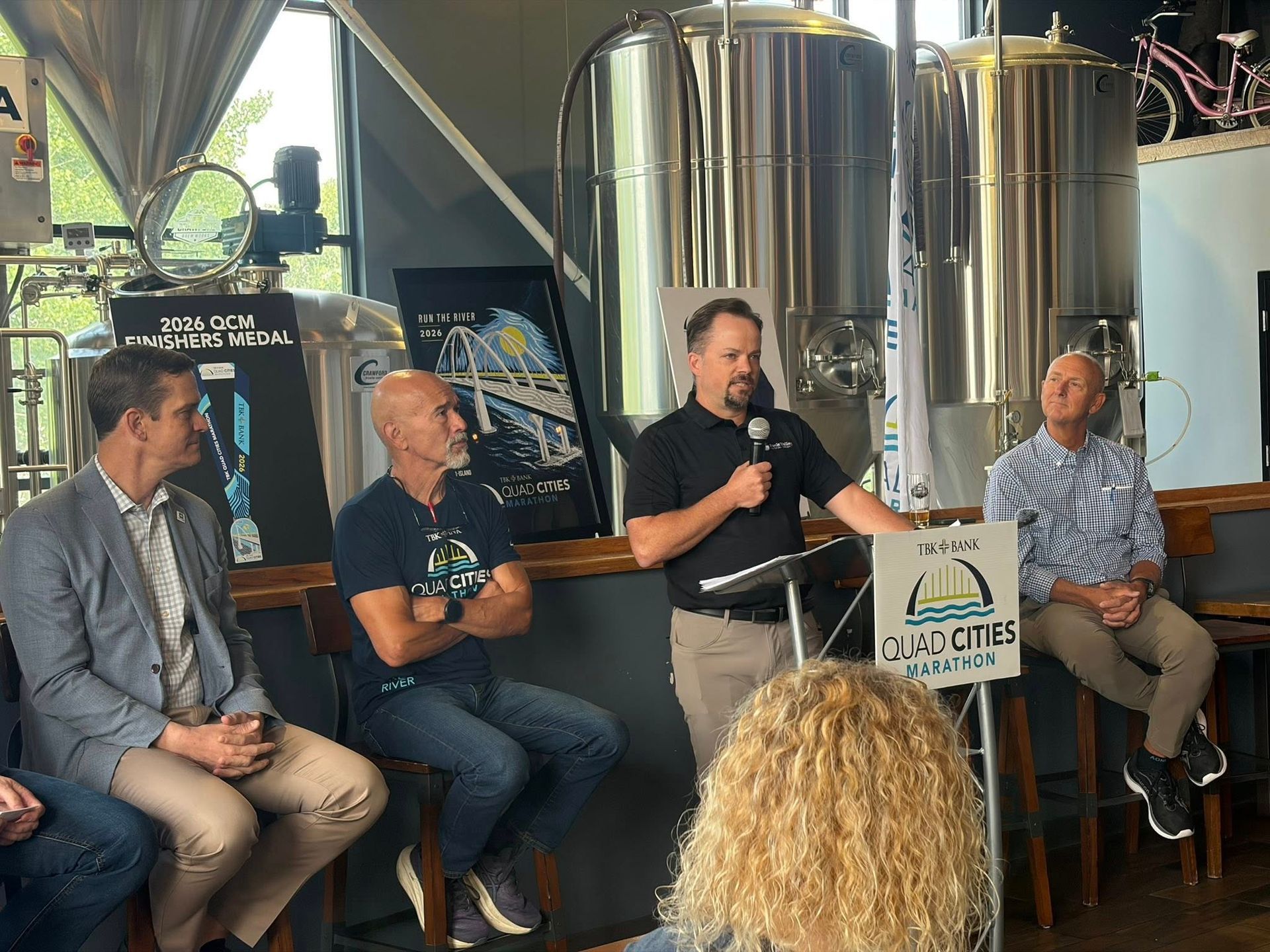
“Over the years I have had the opportunity to run races all across this country, and I can honestly say that the (TBK Bank) Quad Cities Marathon is one of the best; without a doubt,’’ continued Fleener, one of life’s truly good souls. “And the reason is simple. It’s the people. The people in this room, the sponsors,
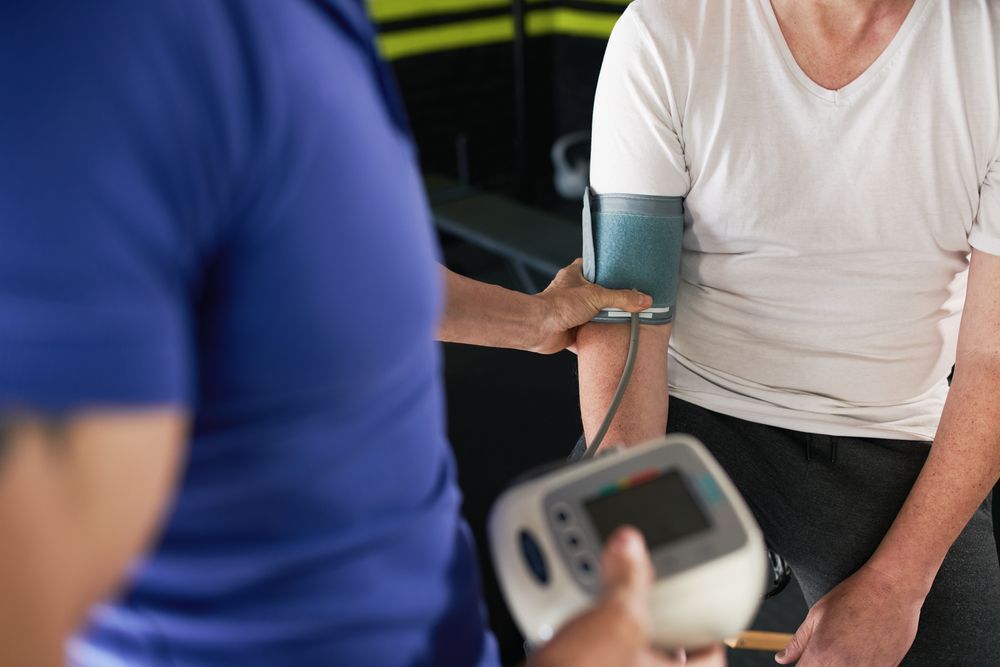
Blood Flow Restriction training is a physical therapy technique that helps people build strength using light weights instead of heavy resistance.

“When things pop up for us, we always say that ‘it’s time to see Amy,” Larry Hackmann said as Shirley – in step with her husband – echoed those feelings. “She is wonderful, always has a plan for us and cares about what we think. She is thorough, she is smart and she explains everything to us so that we can do something

Stay injury-free on the pickleball court with expert tips on prevention, early warning signs, warm-ups, and recovery strategies.
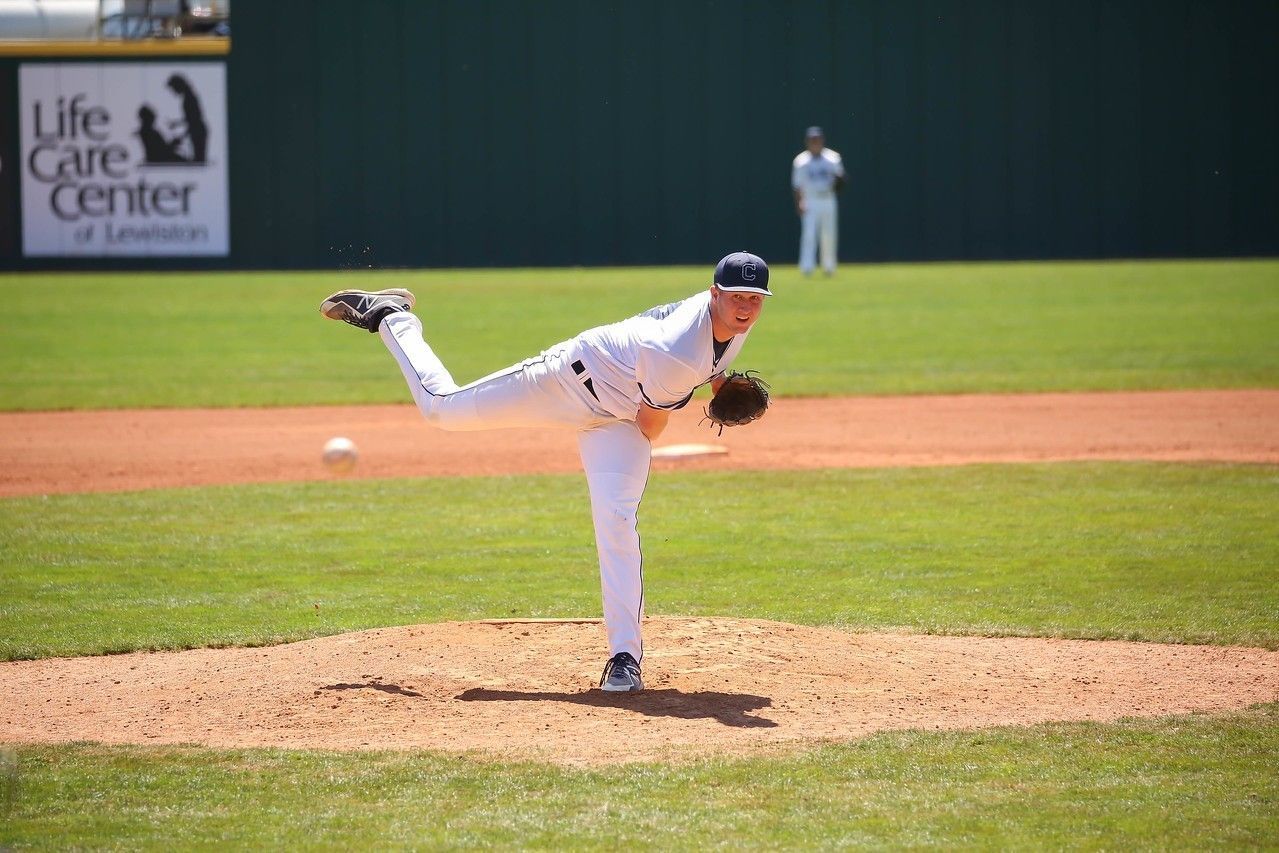
With most prep and college campaigns working toward tournament time and with youth baseball across the country in full swing, Samuelson has shared his expertise, covering what it takes to prepare to pitch, arm care, recommended pitch counts as well as pre-and-post-game workouts and recovery, covering youth to college-a